

 Português
  English (UK)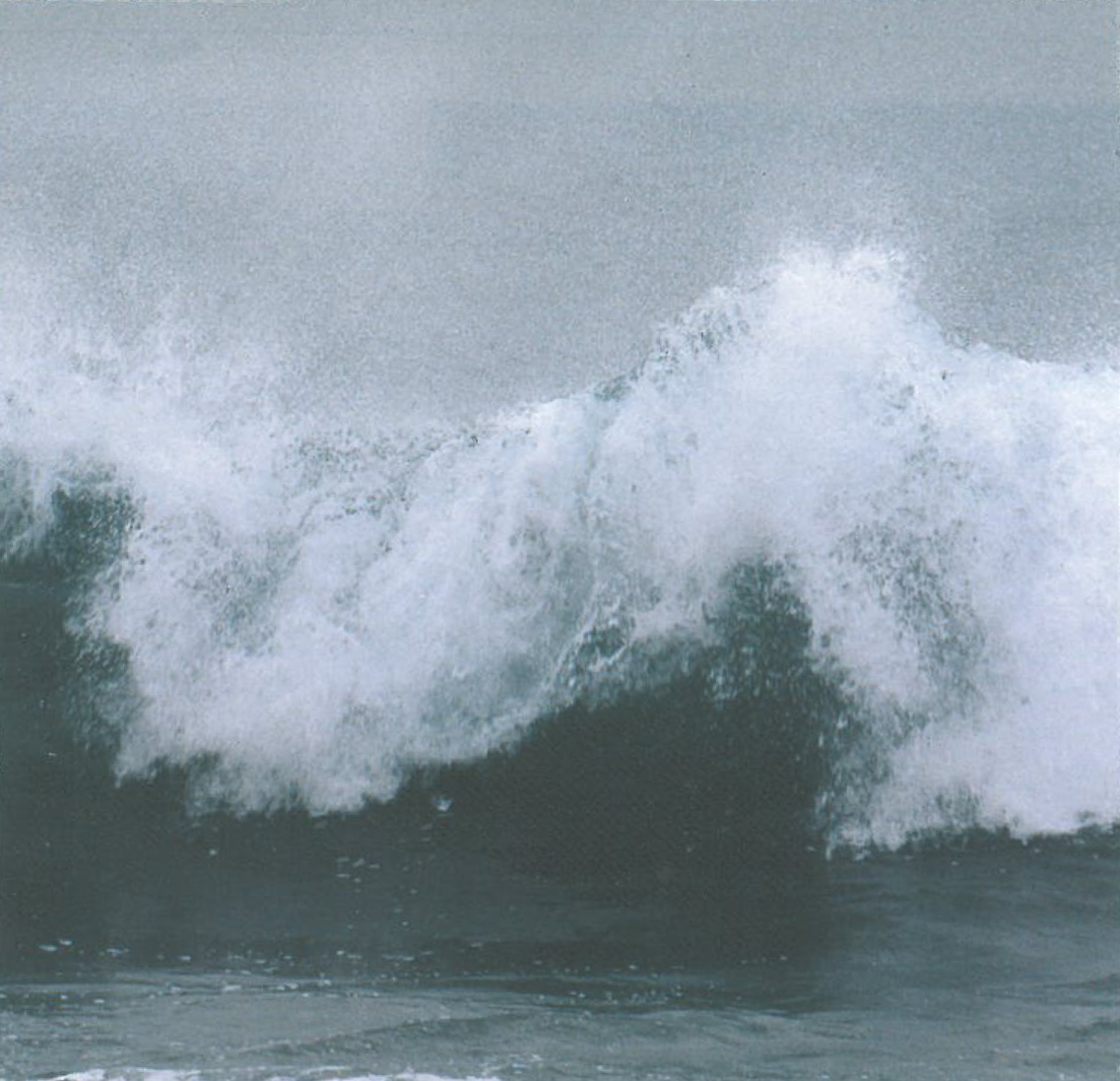
Description: These are algae of the class Rodophiceas, order Gelidiais, Sesquipedale species, dark red in color, which are found along the Portuguese Atlantic coast.
Region: Centre, Lisbon and Tagus Valley, Alentejo (coastal sea-shores only).
Others: Limo Denominations.
Particularity: Red algae, industrializable, giving rise to agar-agar.
History: Algae were already used in China (600 BC) as a gelling agent. In the seventeenth century, they were used in Europe and the East, as fertilizer and food, as well as in the preparation of glass and soap. From 1811 to 1873, they served as raw material for the extraction of iodine. In more recent times they were used ground for fish feed, but from 1930 onwards their most important use is for the manufacture of agar-agar. In Portugal they have always been used as fertilizer but, finally, they began to be harvested in Peniche for the manufacture of agar-agar.
Use: Agar-agar is a phycocolloid widely used as an additive in the food industry, given its gelatinizing characteristics at very low concentrations of use. It is also used, to a lesser extent, in the cosmetics, pharmaceuticals, etc. industries.
Know-how: Although nowadays divers already use appropriate equipment, traditionally the algae were collected near the coast, in free diving or just at low tide. The production of agar-agar basically consists of cooking red algae under certain conditions of pressure and temperature, filtration, gelling, pressing, drying and grinding, obtaining a final product with a floury appearance, yellowish-white color, odorless and with a slight mucilage flavor.
Source: Produtos Tradicionais Portugueses, Lisboa, DGDR, 2001
