



 Português
  English (UK)
Description: It is a product resulting from the scaling, salting and drying of cod of the species Gadus morhua. The indication 'Produced in accordance with the Portuguese tradition', translated into the language of the country in which the product is marketed, must appear on the labelling.
Production method: The process encompasses four fundamental phases: washing, salting, maturation/aging and drying. The scale consists of the ventral cutting of the cod, removing the anterior two-thirds of the spine and remains of the swim bladder, leaving it with the traditional and characteristic appearance of scaled cod (open), then the fish is washed in abundant salubrious water, removing all the remains of viscera and blood clots. Salting is carried out immediately after washing, covering the ventral part with salt in sufficient quantity and in a uniform way. The cod is stacked in consecutive layers until the vats are filled, forming homogeneous piles, allowing the brine to drain freely, resulting in the designation of dry salting or free salting. For a minimum period of thirty days, the fish is pressed in a cold chamber (10 ± 2 °C), with the relative humidity of the air varying between 80% and 85%. The green salted fish is transferred to another pallet, layer by layer, between which an appropriate amount of salt is added, thus reversing the order of the layers of the initial pile and obtaining at the end a new pile that is again subjected to pressing. The fish remains in a cold chamber for a minimum period of thirty days at a temperature not exceeding 4 °C and relative humidity between 80% and 85%. During this period, maturation continues to take place, with an increase in volatile chemical compounds, which will contribute to the development of the characteristic taste and smell of the product. Once this stage is finished, the fish is washed, brushed and stacked on pallets. Drying is necessary to extract more water, until a degree of humidity not exceeding 47% is reached. This operation can be carried out by a natural or artificial process.
Special characteristics: The production process of “Bacalhau de Cura Tradicional Portuguesa” (Traditional Portuguese Cured Cod) respects the traditional method: the dehydration of the fish is, without a doubt, the fundamental aspect to be achieved, which is why salting and then drying have always been carried out, with rest periods that guarantee rebalancing due to the phenomenon of osmosis. Free salting allows the enzymatic activity to develop progressively, leading to good maturation, due to the delay it provides in the penetration of salt into the cod. The traditional character of this product is based on the different phases of the traditional production method, which ensure a correct maturation of the cod, in the state of green salting and after dry salting and give it unique characteristics of flavor and aroma that traditionally characterize it.
History: The first writings that correlate the activity of fishing and salting in the national territory date from the mid-14th century.
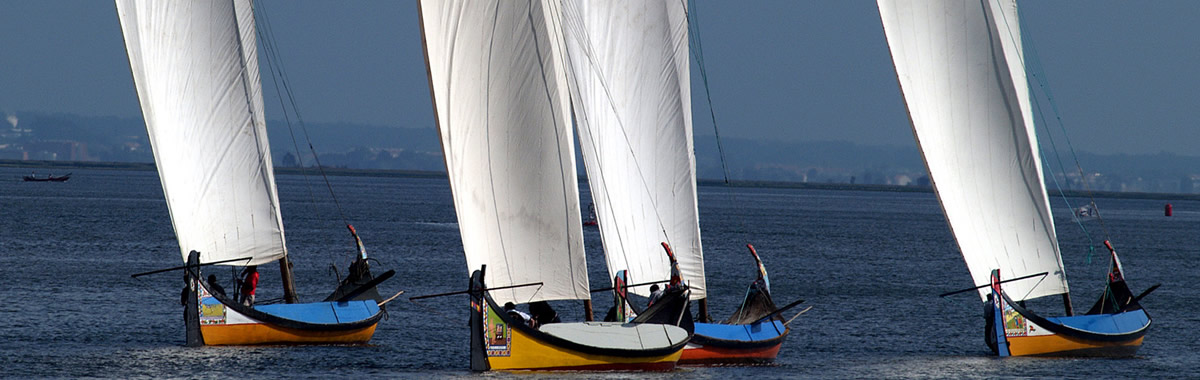
It was, however, during the Age of Discovery, already in the fifteenth century, that the Portuguese, motivated by the need to find products that could withstand the long sea crossings, discovered the ideal fish in the northern seas of the Atlantic. Pioneers in cod fishing in Newfoundland (Canada), they quickly introduced it into national eating habits, cooking it "in a thousand and one ways". Fishing in the large banks of Newfoundland and Greenland was traditionally carried out by large sailing ships called luggers, later replaced by trawlers. Although the fishing technology was different, the post-catch procedures for preparing and salting cod were identical.
Bleeding was carried out soon after the fish entered the boat. This operation was extremely important for the good quality of the product and came from the practice and common sense of the fishermen of the time. In trawling, the fish is bleed immediately after capture, when the fish is channeled to the preparation and packaging areas. The immediate bleeding of the fish is, as in the past, considered a good practice that is now scientifically proven. It is also a decisive factor for a good final presentation of the fish to the consumer. Already on board, the trot (heading and evisceration) and scaling phases began. The entire process developed after the fish entered the board had, as today, to be ensured in good hygienic, sanitary and technical conditions. The salting period corresponded, at the time, to the time between the first catch and the unloading at the shipowner's land facilities. The first fish to be caught and salted could have between four and five months of salt, while the last to enter the hold – the first to leave – would have at least the time of the return trip, that is, approximately 25 days. There is knowledge of the existence of droughts in Aveiro, at least, since 1572, which induces that the preparation of cod, being finished on the mainland, was done in parallel in wandering fishing, where the catches would be complemented with salting on board.
Product specifications (pdf)
Producer group
Associação dos Industriais do Bacalhau - AIB
