




 Português
  English (UK)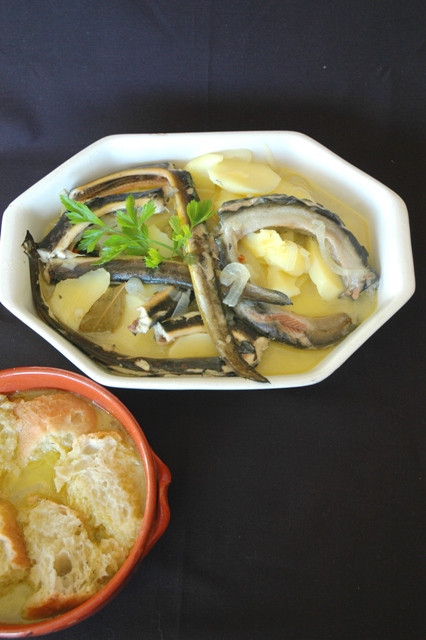
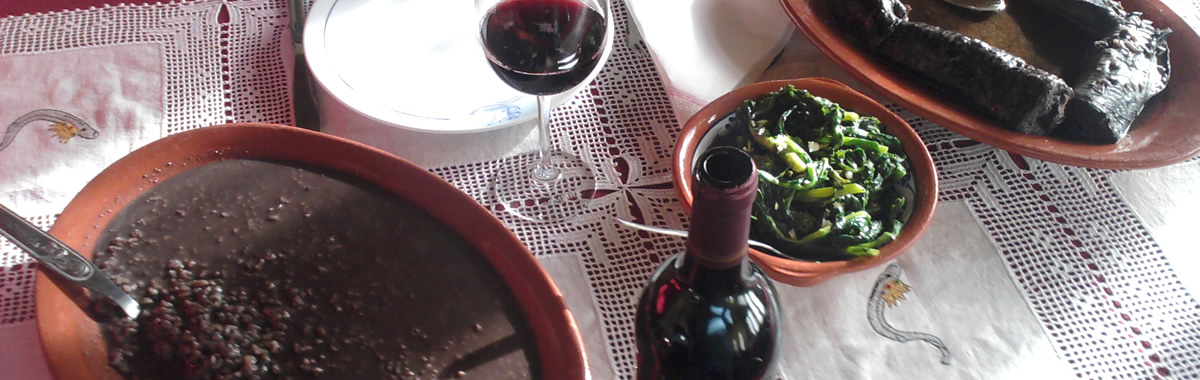
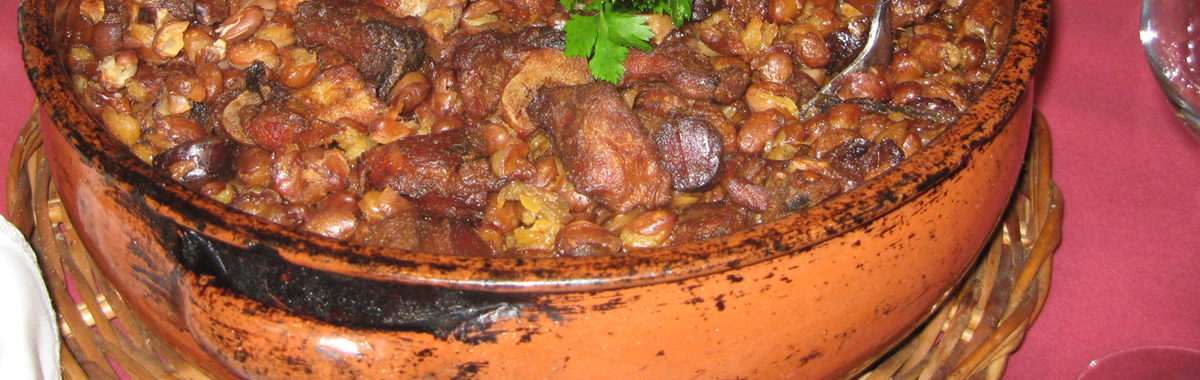
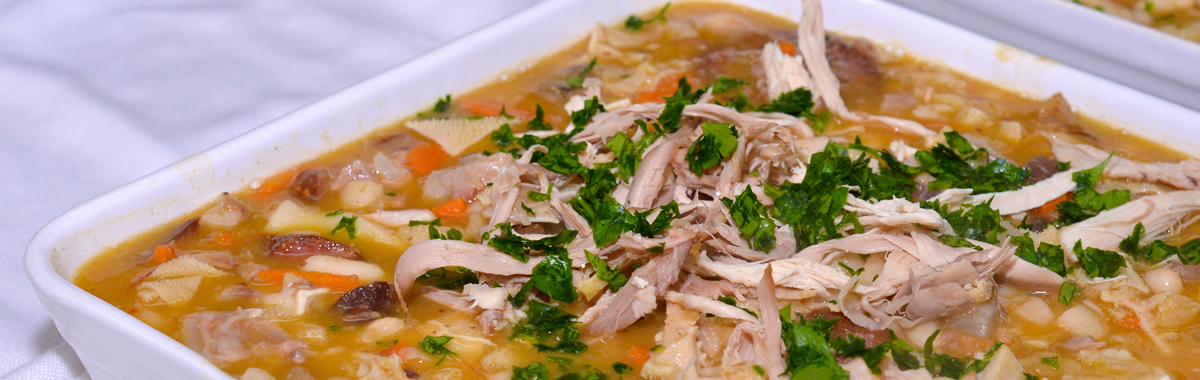
Description: Eels with potatoes and bread in stew.
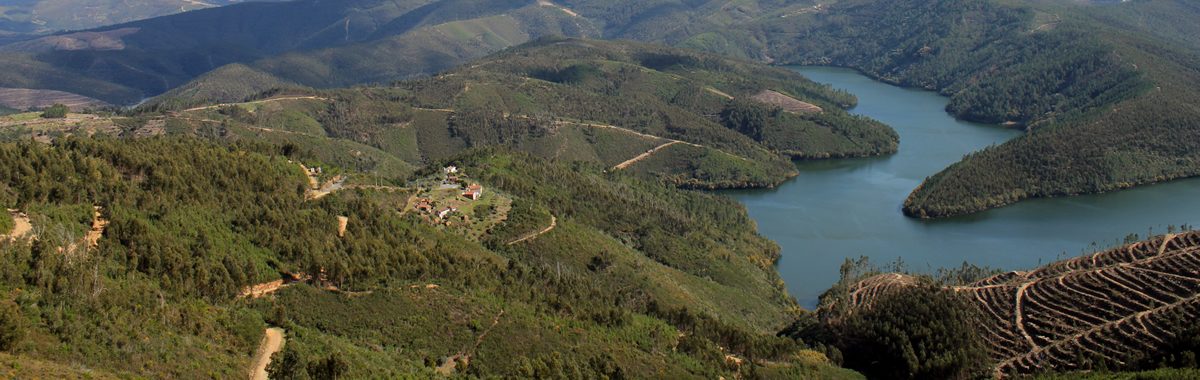
Delimitation of the geographical area of production: South bank of the municipality of Figueira da Foz, river area.
Connection to the natural landscape: Rio.
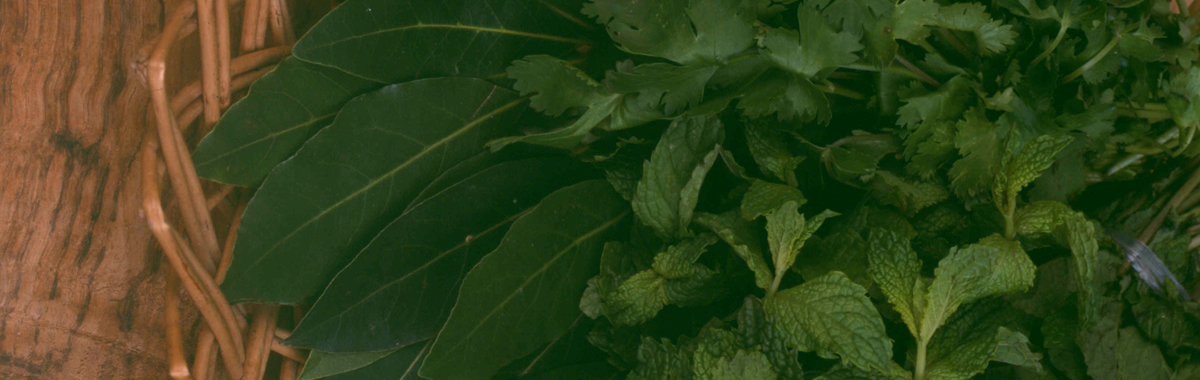
Ingredients used: Eels; onion; parsley; bay leaf; chilli; olive oil; salt of the sun; bread.
Preparation: Wash the eels very well, after disembowelement. Cut onion into slices for the pan, placing successive layers of eels and onion. Add a sprig of parsley, bay leaf and chilli. Add a little water, ol-ive oil to taste and salt from the oil. Cook over low heat only as long as necessary to cook the eels, so that they do not fall apart. Remove the pan from the heat and with a ladle remove a little broth into a ter-rine, where the bread should already be broken into pieces and pour it on top. The eels are eaten accompanied by this stew.
Know-how: This delicacy is seasoned with the salt of butter (pork grease with salt).
Forms of commercialization: Restaurants and private homes.
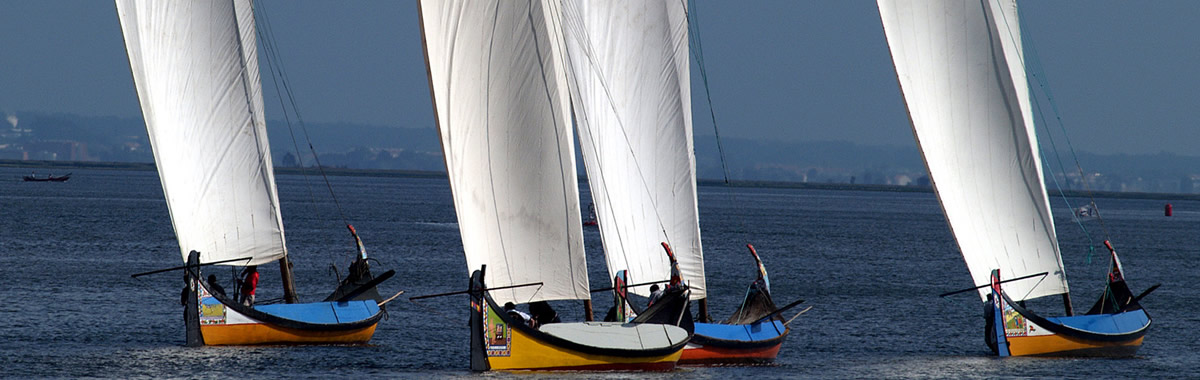
Product history: The habit of taking advantage of fish from rivers and ditches was perpetrated by the people of the municipality of Figueira da Foz. The nets to fish for the eels were left in the ditches and then collected. With the benefit of fishing, at home the eels were prepared essentially in four ways: in stews, stews, fried and even grilled, served with chopped parsley and vinegar. In warehouses in Lavos, women sold eel cambos. A set of them was threaded into wires and placed in reed baskets. In the fifties of the last century, Maurício Pinto and Raimundo Esteves described fishing on the Mondego: "you can get a good boatman like those who already have white boats on their heads and know their real trade. A bateira is rented for a modest price for a day (...). He leaves the dock early. You go up the Mondego, until the confluence of the Pranto River. When the boatman determines, they stop and make some sieges of the fish. Ladies and gentlemen learn to fish with a line (...). You can get some bass, flounder, mullet, whatever comes in the net or on the hook – everything is fish (...) Or else, you get in a car, and go to the Armazéns de Lavos, a little beyond Gala, on the other side of the riv-er. There you order an eel stew. Only they know how to do it!" (Pinto, Esteves, 1951).
