



 Português
  English (UK)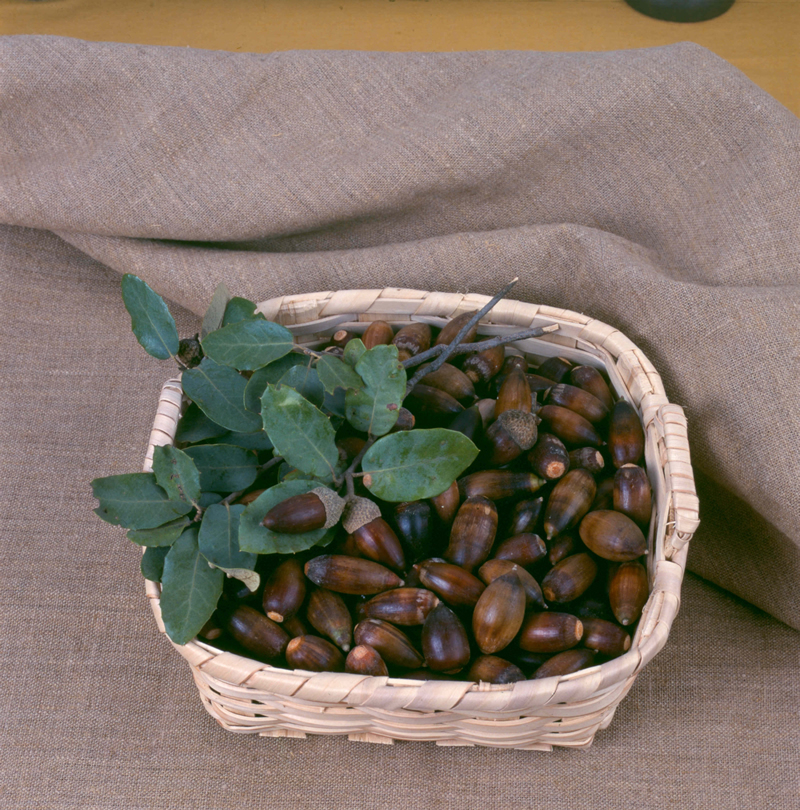
Description: Fruit of oval shape, brown in color, whose edible part corresponds to the almond. It is also oval in shape, yellowish-white in color and consists of two cotyledons. The acorn, very rich in oil, weighs about 10 g and measures 5 cm in length.
Region: Alentejo.
Other denominations: Boleta. Boletra.
Particularity: Dried fruit of the holm oak (Quercus ilex), which can be consumed by both humans and animals.
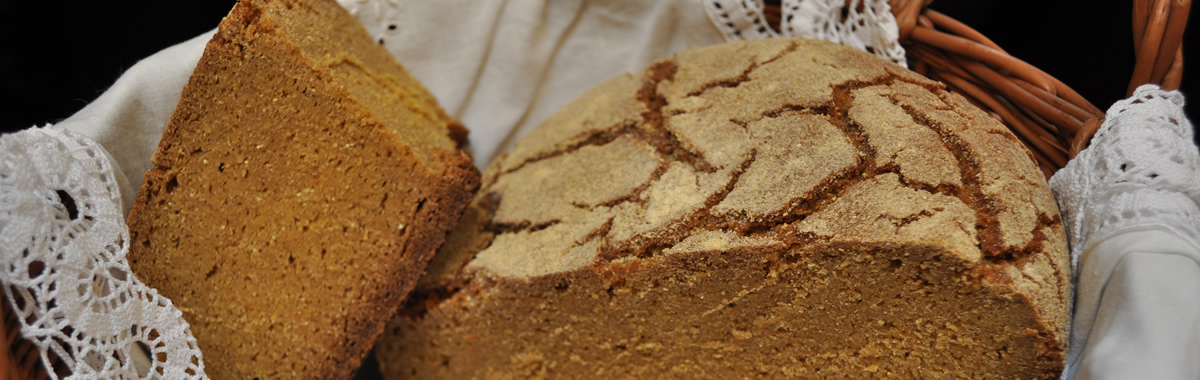
History: Archaeological research shows that the Acorn was used in the human diet of the first peoples of the Peninsula. There are traces of its use in the confection of bread and a fermented drink, extremely nutritious, and which would be comparable to today's beer. In the south of the country, the original forest area consists of cork oaks and holm oaks (cork oaks), The holm oak is a tree of variable size, which rarely exceeds 15 m, and forms a wide crown. Therefore, its ripened fruits tend to spread to the surrounding soil, making it easier to use as feed for livestock, especially pigs, who graze it directly. In the descriptions of Alentejo sausages, the influence that this product has on the quality of pork was highlighted. It was perhaps because the shepherds noticed the way in which the animals show their preference for the fruits of certain trees that led them to experiment with their ingestion, given that in the Alentejo the popular saying "... if you want to know your body, open a pig...». In fact, acorns are still a complementary food for certain disadvantaged populations (due to their high fat and protein contents), and they continue to be used, af-ter drying and ground, to make 'bread'.
Use: As a food supplement, especially for rural populations, and as a snack after roasting. The importance of the Acorn in the diet of rural populations was so great that it still serves as a decorative element for various sweets in the Alentejo, not to mention its appearance in municipal heraldry.
Know-how: The acorns of the sweetest varieties are harvested and, if eaten raw, peeled and eaten. If consumed roasted, it is necessary to strike the skin of the fruit before putting it on the heat to prevent it from cracking. Usually, on long winter nights, rural people roast them in the fireplace. It is also common to sell, at fairs, threads of well-dried acorns (oaths) that then appear with a darker, harder and rather sweet crumb.
Source: Produtos Tradicionais Portugueses, Lisboa, DGDR, 2001
