



 Português
  English (UK)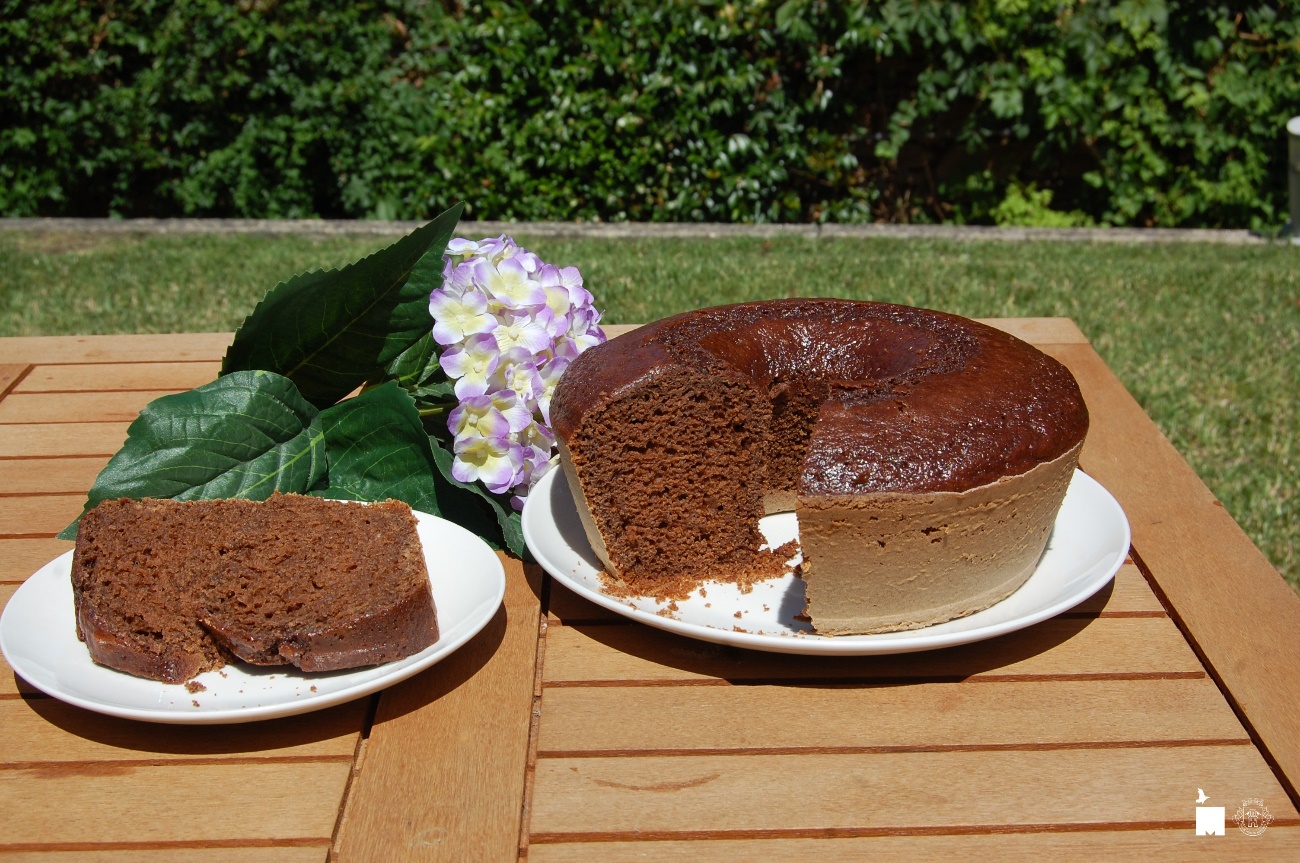
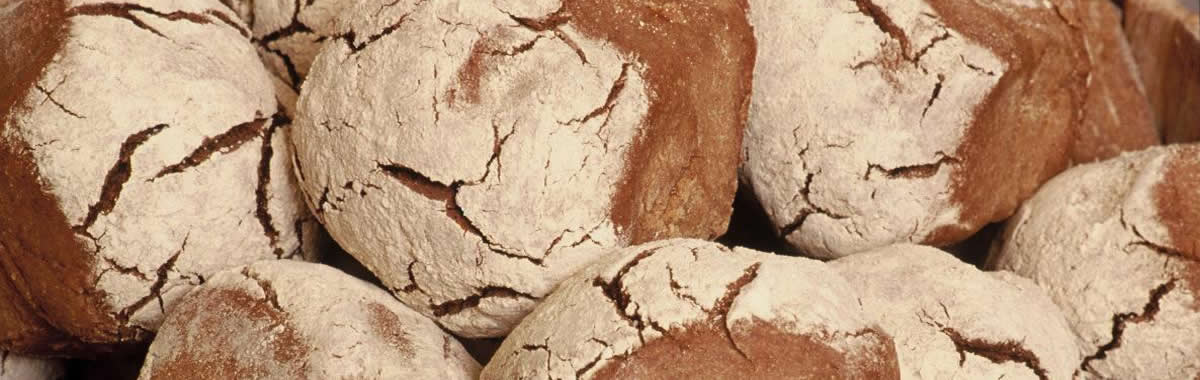
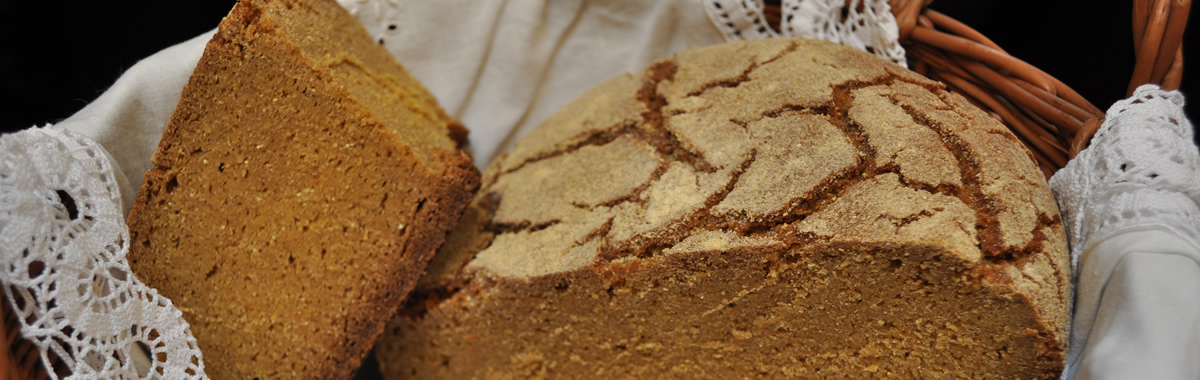
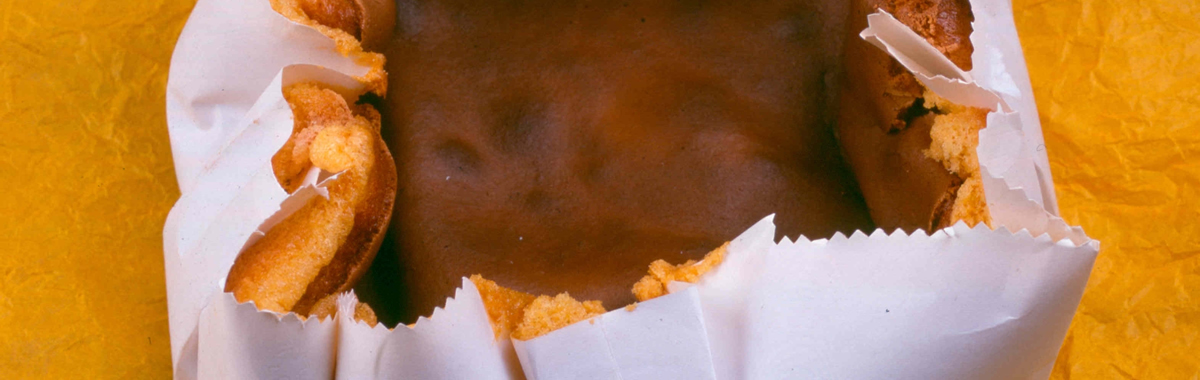
Description: It is a cake for which the circular shape is used between 20 and 30 cm in diameter. Perforated in the middle, it is usually presented without any decoration or cover.
Special characteristics: Its main ingredients are cinnamon and awaiting, which give it a dark color and a particular flavor that is given to it by the mixture of these two ingredients.
Region: Trás-os-Montes and Alto-Douro. Specifically in the municipality of Torre de Moncorvo and Freixo de Espada à Cinta.
Ingredients used: 1/2 kg of flour, 3 eggs, 1 tablespoon of butter, 1 packet of cinnamon, 1/2 kg of sugar, 1 teaspoon of baking soda, 1 tablespoon of baking powder, 1 glass of brandy wine.
Preparation: The preparation method follows the traditional way of making homemade cakes, often without the use of electric mixers.
Know-how: This is a simple cake recipe, similar to sponge cake, which only required mixing the ingredients in a dough with cinnamon, eggs and sugar.
According to the recipe provided by Maria Gentil Vaz and inherited from the family, from Mós - Torre de Moncorvo and collected by the Municipality of Torre de Moncorvo - beat all the ingredients together by hand until they are well mixed. Place the dough in a greased pan Bake in a very hot oven.
Forms of commercialization: It is a homemade cake for consumption in the family context, usually in family celebrations, and is therefore not usually sold in pastry shops or other shops.
Availability of the product throughout the year: According to tradition, its consumption takes place during festive periods, particularly family such as weddings or baptisms, but it can also be consumed during festive periods in the localities. It can thus be consumed punctually throughout the year.
Product history: There are few references to bolo moreno, bolo pardo or pão moreno. It is also difficult to explain its predominance in the localities of the municipality of Moncorvo - which claims it as a characteristic gastronomic product of the territory. It is also mainly the references to Moncorvo's gastronomy that mention it that give us some notes on the context of its consumption among the locals.
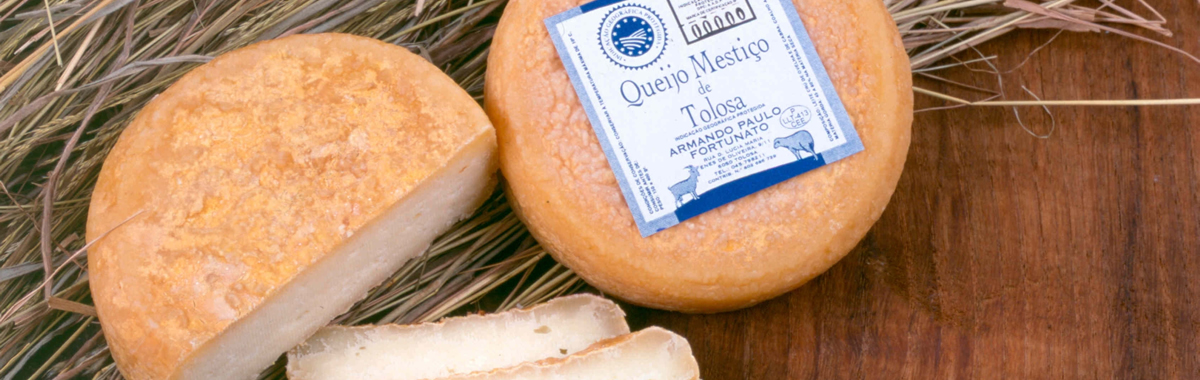
Referenced in the "Route of Mines and Geological Points of Interest of Northern Portugal" alongside other typical dishes of Moncorvo, it is also identified as a gastronomic heritage of Moncorvo in the Master's thesis "The richness of intangible heritage and local and tourist development" (Rocha: 2014). The writer from Mirandela, Jorge Lage, also mentions it in "Romanceiro da Castanha", saying that it is a "typical sweet of some villages, with a lot of tradition in the eastern part of the municipality. This much-appreciated cake has cinnamon and awaitant as fundamental ingredients, which give it a dark color and an unmistakable flavor. It is often accompanied by goat or sheep cheese. Traditionally, it was served at weddings and baptisms, as it was attributed aphrodisiac properties."
More often called in this municipality as bolo moreno or even pão moreno, since it was not effectively a very sweet cake that could accompany other products that are typically consumed with wheat bread, such as cheese, but it is also called bolo pardo. This denomination is also found in a similar recipe in Mirene's book, a reference to traditional Portuguese cuisine, "O Segredo das Cozinheiras". Curiously, the reference to this cake, in a similar recipe, also appears in the international publication Yogurt, Yoghurt, Youghourt: An International Cookbook by the author Linda Fuller with the Portuguese denomination "bolo pardo" and the Portuguese translation cinammon cake, describes it as an Iberian cinnamon specialty - the recipe does not include brandy but yogurt, thus configuring itself as a variant that does not fully reproduce the specificity of the Moreno Moncorvo cake, but it thus reveals possible variations in revenue in a broader geographical scope.
Representativeness in local food: Municipality of Torre de Moncorvo.
Other documentary elements (written, photographic, videographic, etc.): FULLER, Linda (2020), Yogurt, Yoghurt, Youghourt: An International Cookbook, CRC Press.
MIRENE (2009), O Segredo das Cozinheiras. Porto Editora.
ROCHA, Júlio Filipe Seixas da (2014), Tese de Mestrado: Torre de Moncorvo - A riqueza do património imaterial e o desenvolvimento local e turístico, FLUP.
Online:
Pão Moreno | CM Torre de Moncorvo (cm-moncorvo.pt).
Roteiro de Minas e Pontos de Interesse Geológico do Norte de Portugal
Gastronomia de Torre de Moncorvo
Source of registration: Município da Torre de Moncorvo
