



 Português
  English (UK)
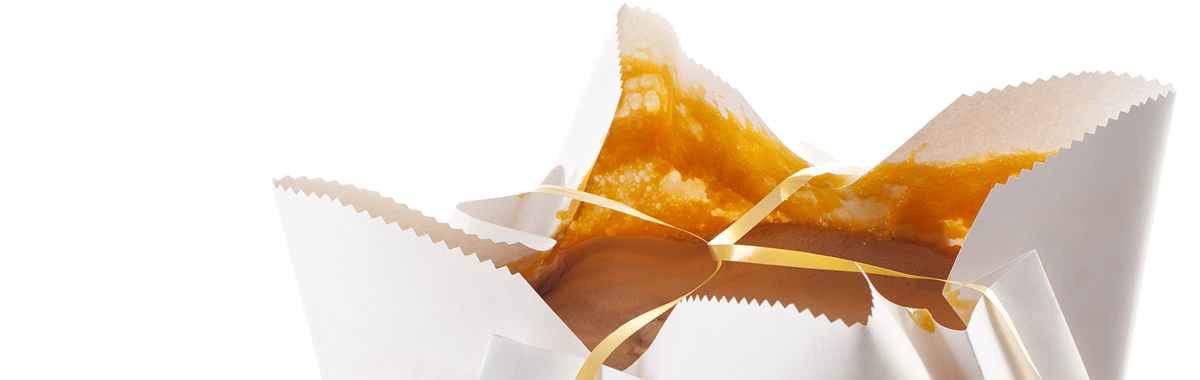
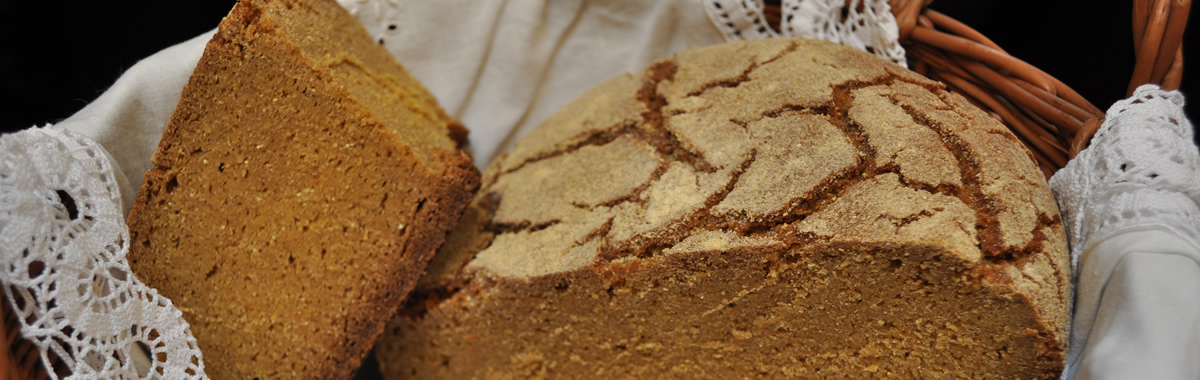
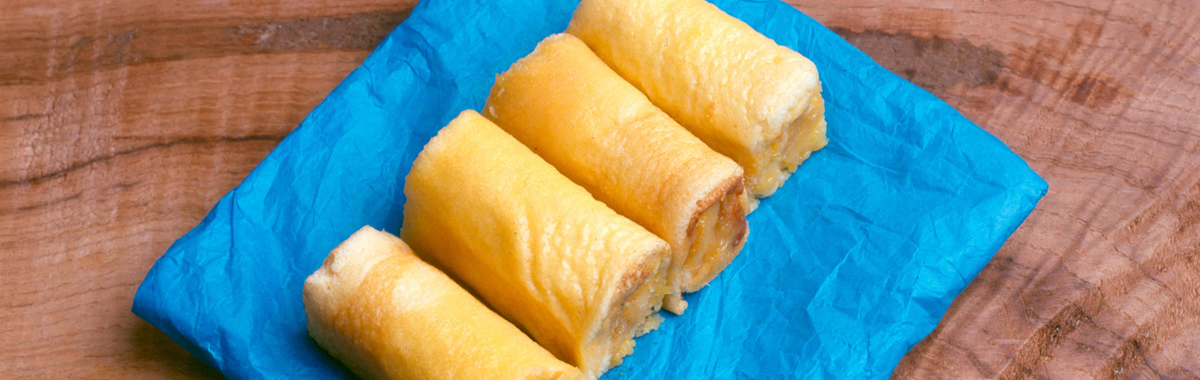
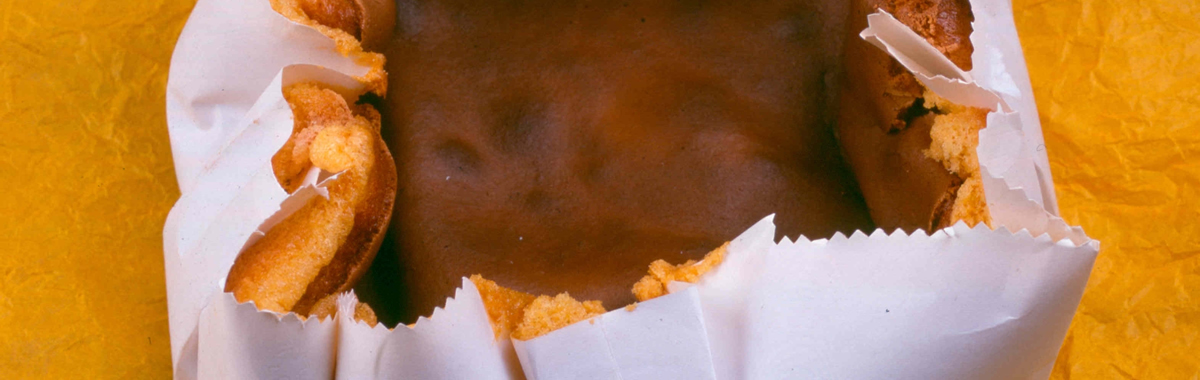
Description: The Pão de ló de Margaride/light bread from Mar-garide/rosca de Margaride is a traditional pastry cake, moderately sweet, of medium to large format, baked in the oven, based on ingredients traditionally used in Portuguese pastry, of conventual origin or not. It has a round shape with a hole in the center and a vibrant golden yellow interior color, which can vary according to the shade of the gems used. The upper outer surface has a characteris-tic bulging, brownish hue, more or less dark depending on the time it remains in the oven. The side surfaces, the bottom and the walls relating to the central hole are devoid of crust, presenting a darker yellowish color than the interior.
Special Features: Very light, round cake, with a hole in the center, wrapped in the paper on which it was baked and traditionally broken and eaten by hand.
Production area: The geographical area of production/manufacture and packaging of Pão de ló de Margaride / Pão leve de Margaride / Rosca de Margaride corresponds exactly to the area of the municipality of Felgueiras, of which Margaride is one of the parishes.
History: A woman named Clara Maria, who died on November 27, 1831, began to make sponge cake in a tile and thatched house in the parish of Margaride. After her death, her husband, Mr. António Félix, continued to manufacture the cake, having in his company Leonor Rosa who, after a second marriage, in 1875 bought the house where the Pão-de-Ló de Margaride factory is currently located — Leonor Rosa da Silva, Successor. By private letter, stamped with the arms of Their Royal Highnesses the Dukes of Bragança, dated from the Palace of Belém, on December 5, 1888, and signed by the Count of S. Mamede, Leonor Rosa da Silva was informed that she was granted the honors of supplier of the Royal and Ducal House of Bragança, being able to use the ducal arms, according to the model that is in the house. The arms are topped by a ducal crown and, for crest, a dragon. King D. Carlos granted it a charter on April 22, 1893, authorizing the use of the Portuguese royal arms on the frontispiece of its establishment.
Use: It is a traditional Easter cake, always featuring in a prominent place on the table for the Easter visit. It is also part of the Christmas sweets, and is also consumed throughout the year, accompanied by Port wine.
Know-how: Beat the ingredients (flour, eggs, sugar) in wooden whisks. It goes to the clay vault oven in clay molds, also covered with paper.
Product specification (pdf)
Producer group
Associação Empresarial de Felgueiras
Control and certification body
AGRICERT, Certificação de Produtos Alimentares, Lda
Control Plan
