







 Português
  English (UK)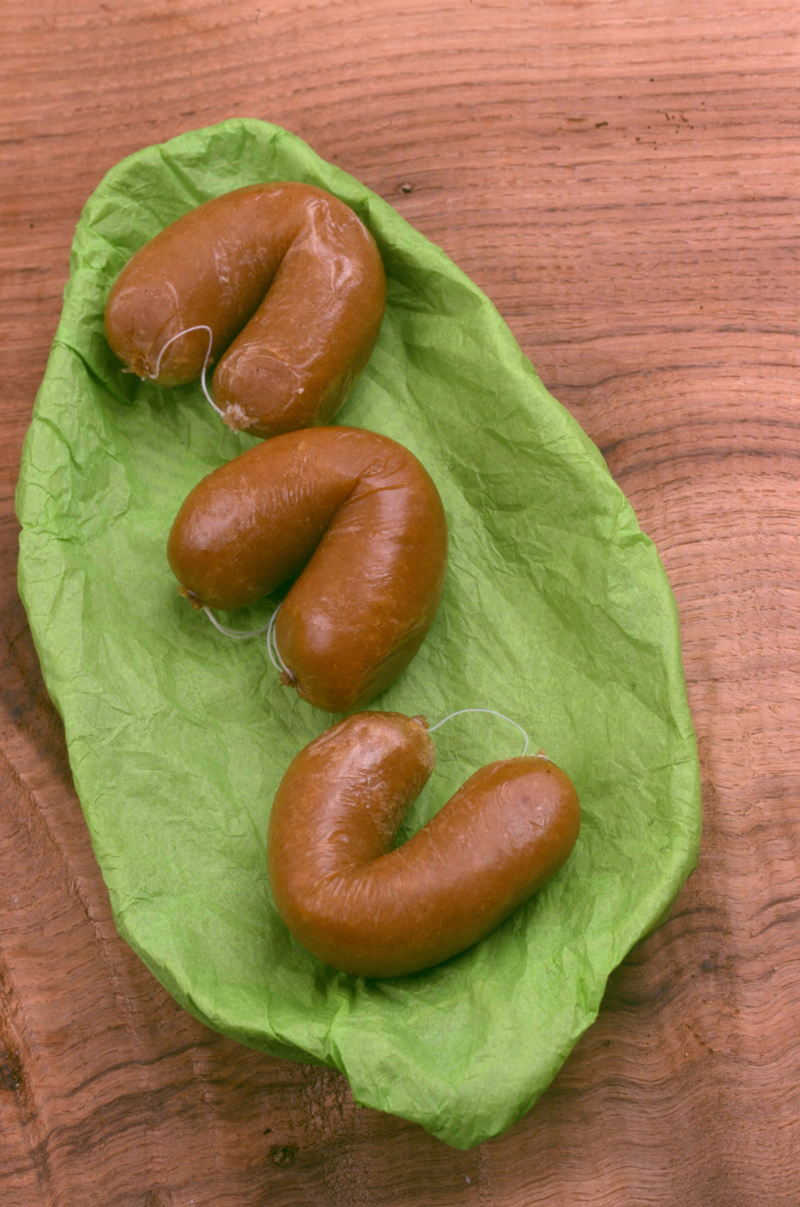
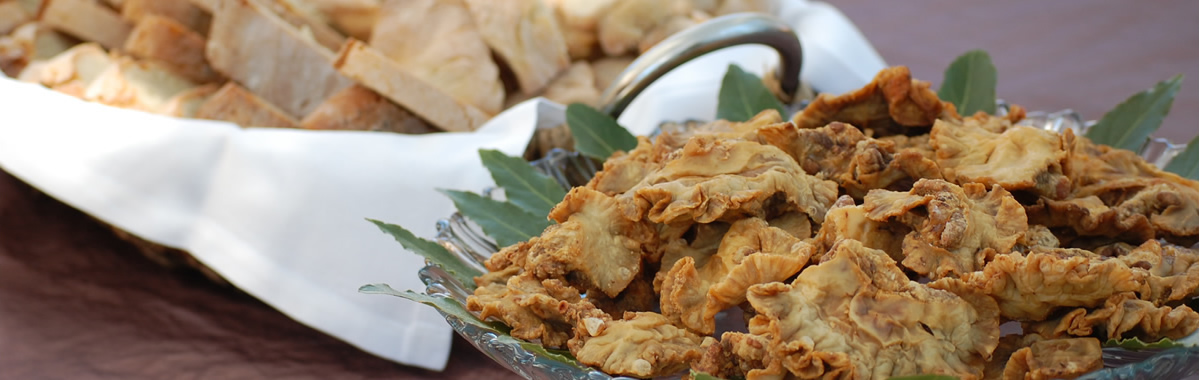
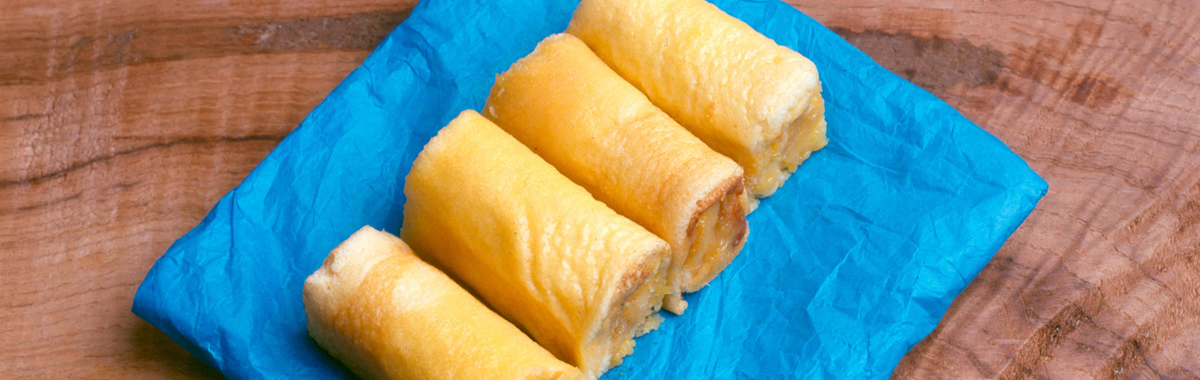
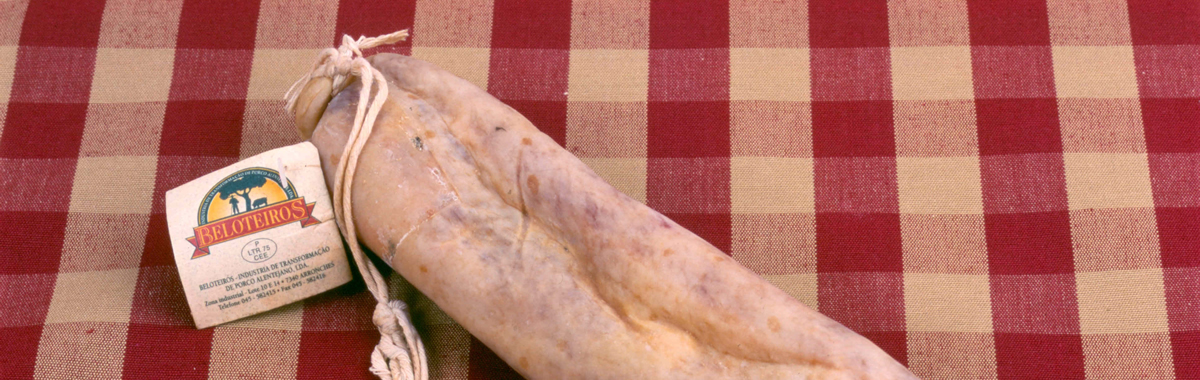
Description: Tripe stuffed with bread crumb and almond jam, exactly like black pudding, hence its name. The ingredients of the sweet are: sugar, eggs, bread crumbs, almonds, butter and cinnamon to taste. They are presented commercially in rectangular coloured cardboard boxes.
Region: North.
Other denominations: Sweet black pudding. Almond Black Pudding. Black pudding of Santa Mafalda.
Particularity: Toasted yellow sausage, made with a bread and almond crumb jam, placed in tripe. It is fried immediately before eating. It weighs about 150 g.
History: The confectionery of Arouca originated in the Convent of Santa Mafalda de Arouca where the Bernard nuns sold or offered sweets, such as «Mimos, Brindes ou Pitancas», «... the civil and ecclesiastical entities deserving of the proceeds of such rich delicacies». This is how this art, cultivated with taste and imagination, climbed the walls of the convent's fence, penetrating manor houses, becoming an indispensable part of popular festivals and pilgrimages and making these sweets known outside the land of Arouca. The Black pudding of Arouca, as well as other conventual sweets, are directly or indirectly linked to certain days of liturgical feasts, which annually rekindle the founding myths of their existence. Christmas and Easter are the feasts par excellence of the liturgical calendar to which the feast of Queen Santa Mafalda is associated.
Use: As a dessert and as a sweet, consumed at festivals and pilgrimages.
Know-how: Make a syrup with sugar and water to the point of hair. Cool and add the mixture of bread crumbs, grated almonds, eggs, sugar and cinnamon. Knead by hand, rest and fill the guts, which are then scalded in boiling water and drained. When serving, fry them.
Source: Produtos Tradicionais Portugueses, Lisboa, DGDR, 2001
