







 Português
  English (UK)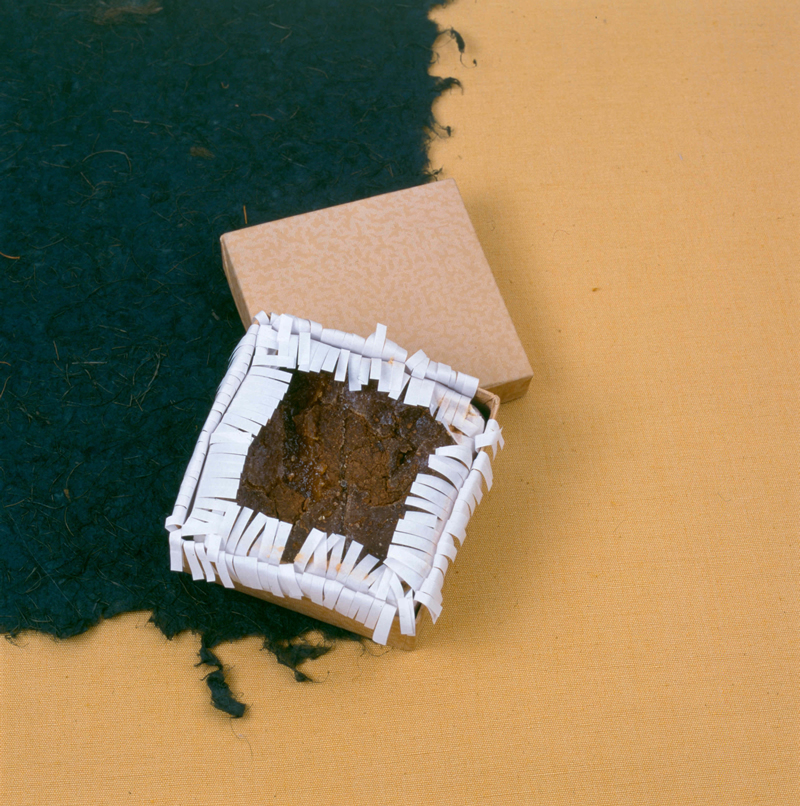
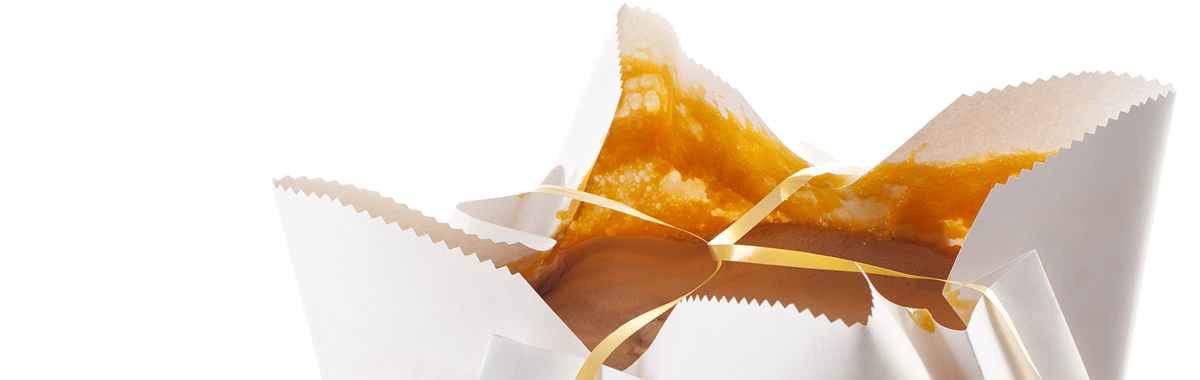
Description: It is a platter sweet, made with eggs, flour, sugar and cow's tongue. It has a yellow color and pasty consistency. It is sold in tin boxes with 250 or 500 g. It can be sold in other quantities if ordered.
Region: North.
Particularity: Sweet exclusive to the Mouca region, with beef tongue as an ingredient.
History: The land of Arouca is, without a doubt, the faithful depository of an entire confectionery tradition that dates back to the activity of the Bernardas nuns, of the extinct Convent of Arouca. The Bernardas nuns made the sweets that were sold and offered as «Treats, Gifts or Pitanças» to civil and ecclesiastical entities deserving of tasting such rich delicacies. This is how this art, cultivated with taste and imagination, climbed the walls of the convent fence, penetrating manor houses, being an indispensable part of popular festivals and pilgrimages, making these sweets known outside Arouca. How was the transmission of conventual revenues to certain families from Arouca processed? In the first place, there is a whole wealth of historical sources that tell us about the existence of women (the girls of the order) who, living inside the convent, also worked outside it. Of course, these women, as servants of the convent, were also in direct contact with daily monastic life. On the other hand, we know that the Convent of Arouca was a social space much sought after by the manorial families of the Arda valley region. In the combination of these two factors we may find the possible justification to explain the diffusion of conventual sweets to the outside of the granite mass of the noble convent, spreading throughout the mouth of the Arouca couto.
Use: The Tongue Delicacy, as well as the other conventual sweets, is directly or indirectly linked to certain days of liturgical feasts. Within these festivities we highlight Christmas and Easter, as well as the feast of Queen Santa Mafalda.
Know-how: The Manjar de Língua must have been an imaginative recipe of the Bernardo nuns, based on the very ancient recipe of Manjar Branco (referred to as early as the sixteenth century), where the meat piece was the chicken. This, cooked without salt, was then crushed into slender threads that were then cooked with sugar and rice (or flour), over a very slow fire and for a long time. When it reached a paste-like consistency, it was removed from the heat and the egg yolks were added. Nowadays the recipe is kept in the Arouca region, replacing chicken breast with cow's tongue. This, after cooking, is shredded and cooked again with about 0,5 kg of rice or rice flour and a liter of milk. When the rice is half cooked, add the sugar and a little salt. When the rice is cooked, and the jam has a paste-like consistency, remove it from the heat and add egg yolks until it gets a very golden color. Continue to beat very well until the paste-like consistency presents a certain lightness. It is very likely that it was from this recipe that both the very Portuguese rice pudding and the cream milk of the North became popular.
Source: Produtos Tradicionais Portugueses, Lisboa, DGDR, 2001
