




 Português
  English (UK)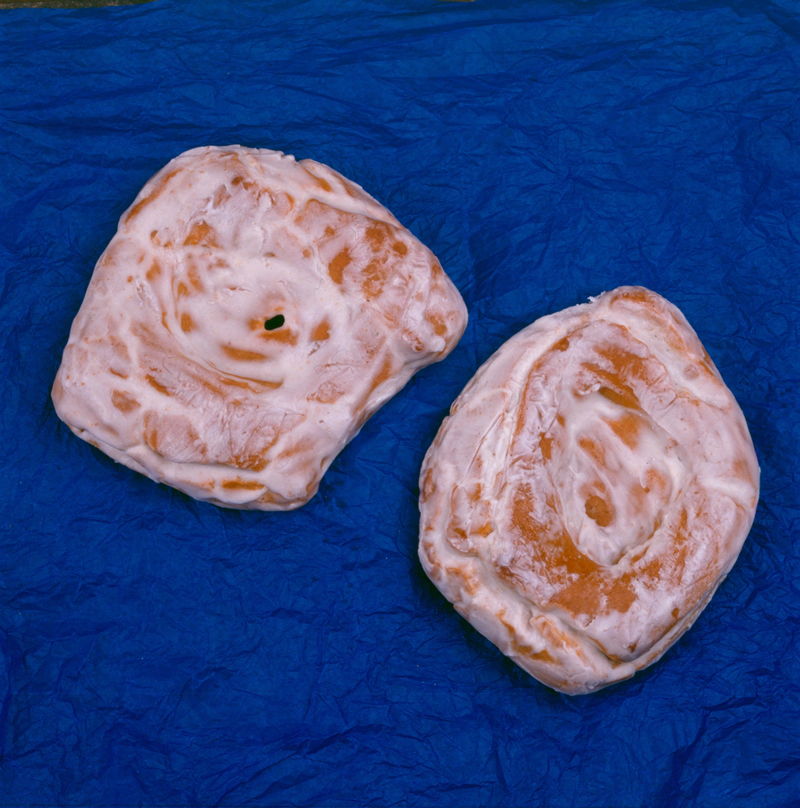
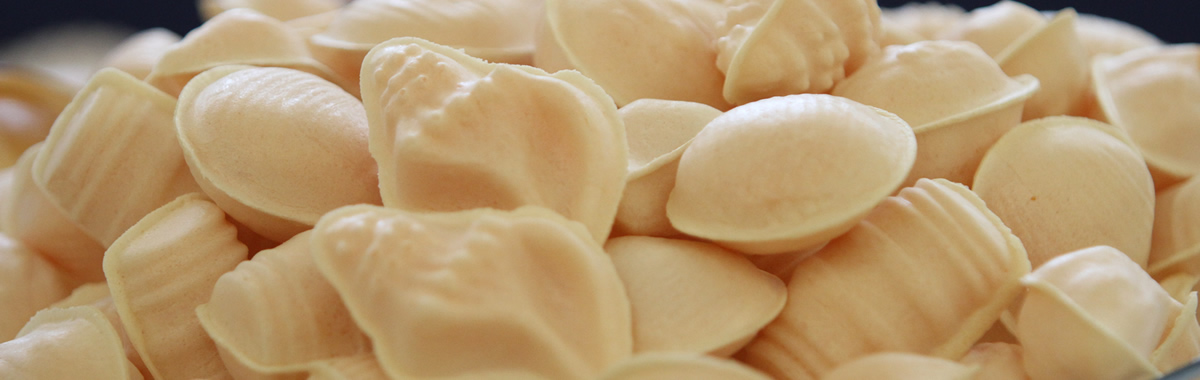
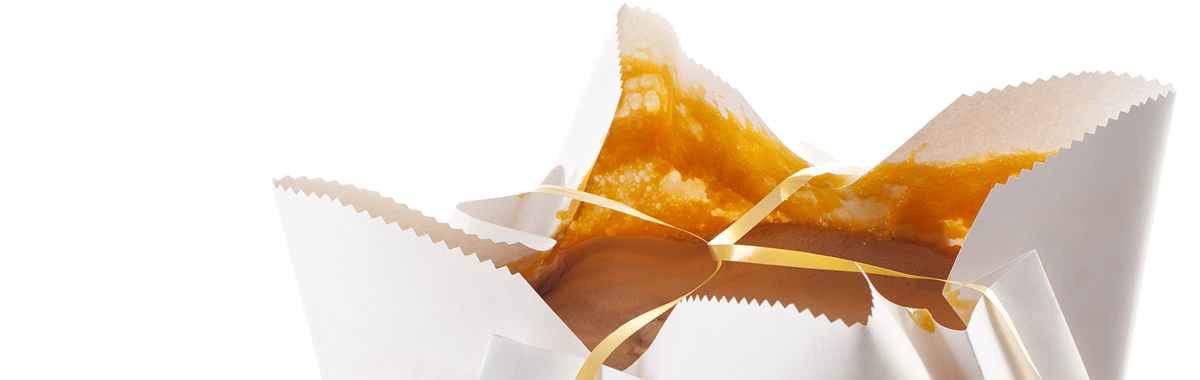
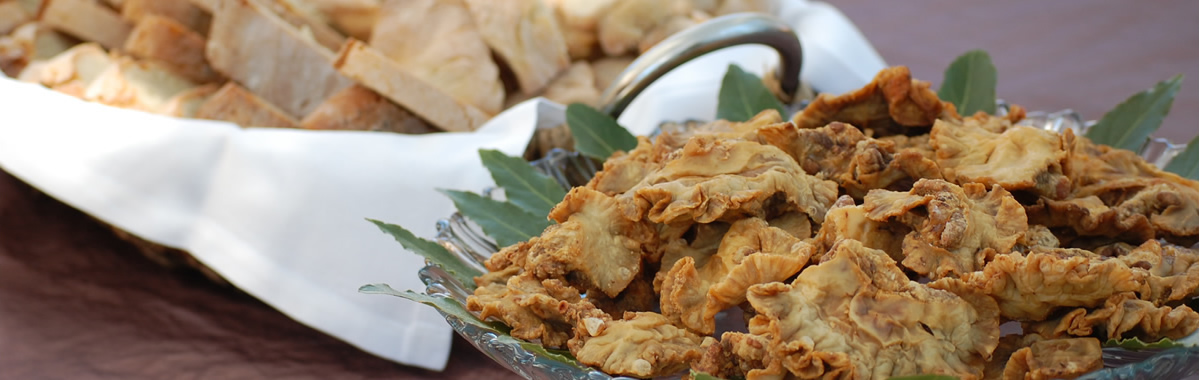
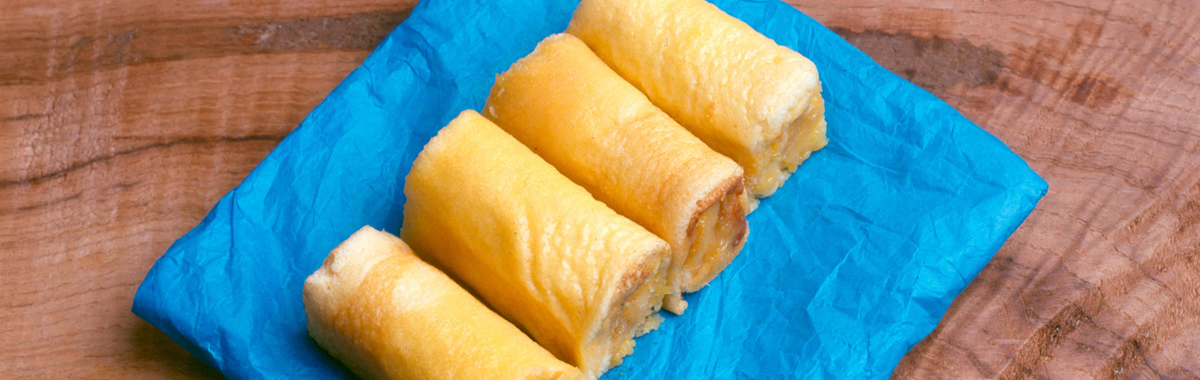
Description: Cakes made from tremese wheat flour, very low acid olive oil, eggs and sugar. They have a rounded shape, yellowish color and are covered with sugar in point. Each Cavaca weighs about 250 g.
Region: North.
Special feature: Rounded-shaped cakes, yellowish in color and covered with white sugar dough.
History: From the mid-sixteenth century until the extinction of the religious orders in 1834, Freixinho was the scene of continuous work of the Casa do Retiro da Senhora do Carmo. It was directed by the nuns of the order of the same name who were dedicated to the education of poor girls in the region. Only ironically can one accept the Aquilinian information of "noble and morgadinha girls". In any case, in addition to the cultivation of the convent's fence – perhaps entrusted to the supervision of the caretaker or overseer – the nuns and girls endowed, in the context of the wide and complex gastronomy, the convent with the famous Cavacas that were the delight of those involved in the «hills» of those centuries, so maliciously referred to by Camilo Castelo Branco. With tremes or buckwheat, eggs, olive oil, sugar on point, the eyes planned and the hands executed what the palates would evaluate the Cavacas do Freixinho. The dough would have to be in cord and not dribbled. Of vows and cloister, the nuns, assisted by the trained girls, projected into the future the product that can be tasted today from and in the manner of Carregal and Tabosa, Sernancelhe and Vila da Ponte. And, why not, from Freixinho, the land of his origin, to water it all.
Use: Consumed as a snack, accompanied by an herbal infusion. For a long time, the Cavacas de Freixinho were prepared to serve as a «mountainous» offering to important people to whom an offer of distinction was made.
Know-how: Tremeses or buckwheat flour is finely ground, and then kneaded with whole eggs. After kneading, it takes very fine olive oil with low acidity. The dough is cut into strips and baked on metal trays (old) for one hour, with the respective turns. After cooking, they are dipped, one by one, in powdered sugar. They are dried on wooden trays suitable for this purpose.
Source: Produtos Tradicionais Portugueses, Lisboa, DGDR, 2001
