



 Português
  English (UK)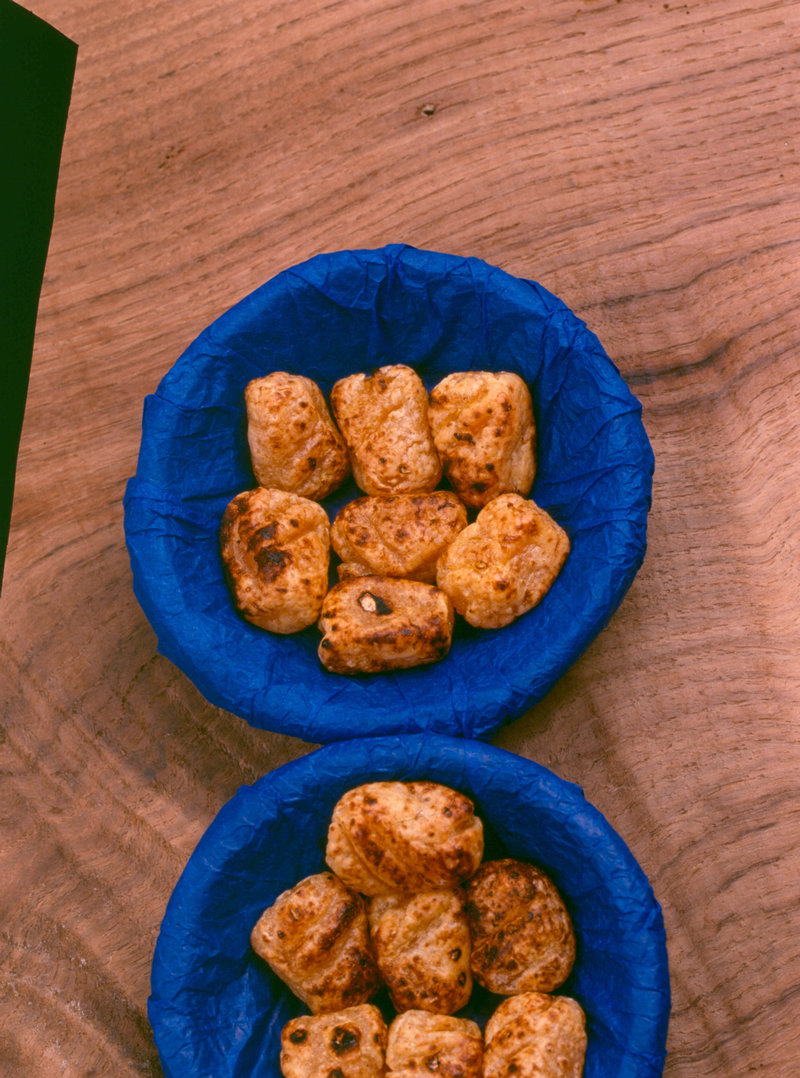
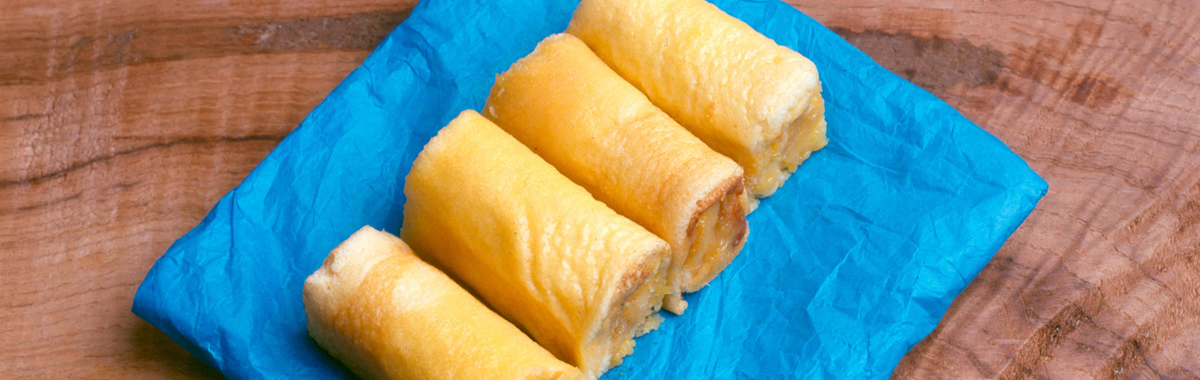
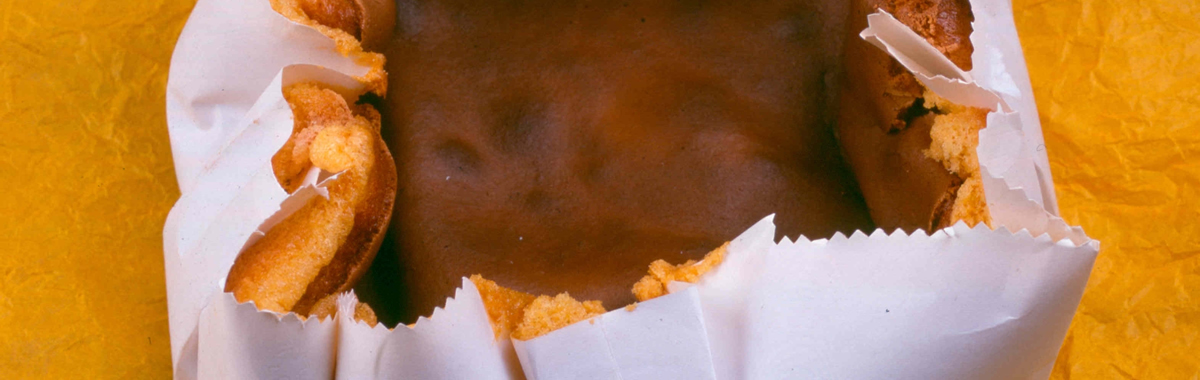
Description: Small candies of chestnut color and shape, pasty but consistent They are made with eggs, sugar, almond and water. They are the dimensions of a chestnut and weigh about 10 g. They are presented in cardboard or metal boxes.
Region: North.
Other denominations: Egg Chestnut. Sweet Almond Chestnut.
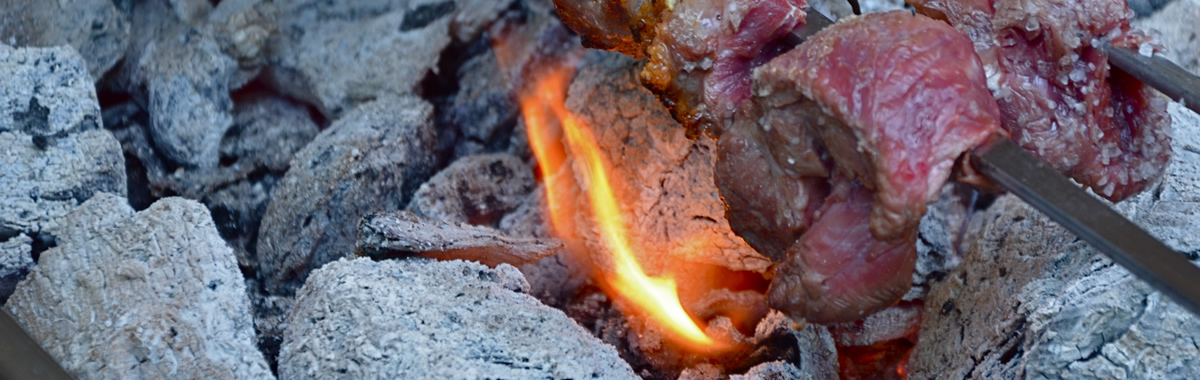
Special feature: Egg and almond jam, shaped into a chestnut and roasted over the coals skewered on a stick.
History: Being part of the traditional confectionery of Arouca, its history is closely linked to the existence of the Bernardas nuns of the Convent of Arouca. The dissemination of the recipe for these sweets, as well as all the rich traditional sweets of Arouca, is done through girls of the order who, living outside the convent, also worked for it. These servants of the convent were in direct contact with the daily monastic life of Arouca and also in contact with the manor houses of Arouca, for which the convent was a social space.
Use: The Arouca Sweet Chestnut, as well as the other conventual sweets, is directly or indirectly linked to certain liturgical feast days, which annually rekindle the founding myths of its existence. Confectionery is also a way of solemnizing communication with divinity. The festive-monastic calendar for the manufacture of conventual sweets from Arouca includes Christmas, Easter and the Feast of Queen Santa Mafalda.
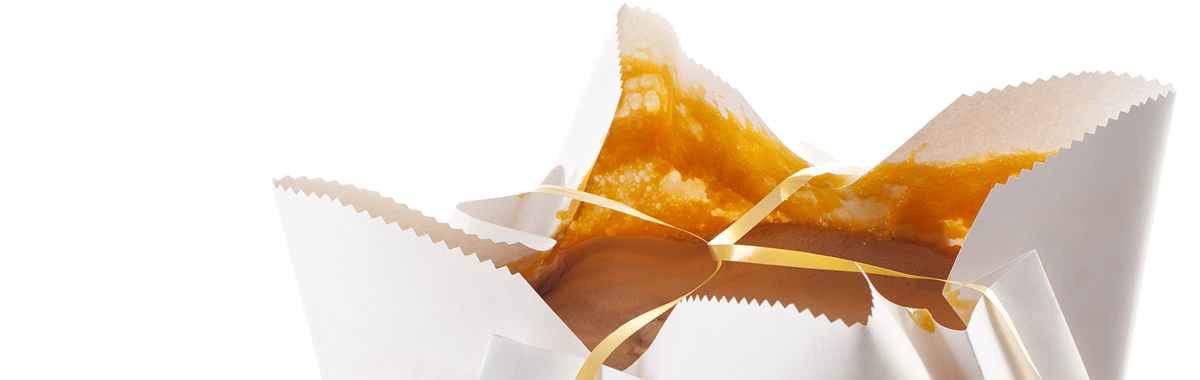
Know-how: Make a syrup with sugar and water until it forms a hairy point and let it cool. The almonds, after being peeled and ground, are grated and the eggs beaten, then added to the sugar and brought to a boil to dry. After the dough is cooled, the chestnuts are molded and passed off as an egg and roasted on the coals to create and gain the color of the chestnut. They are served inside paper boxes.
Source: Produtos Tradicionais Portugueses, Lisboa, DGDR, 2001
