

 Português
  English (UK)
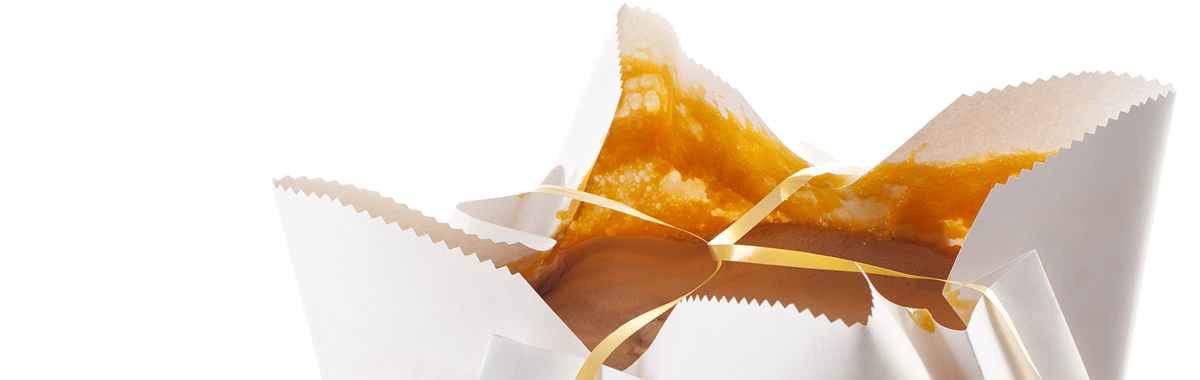
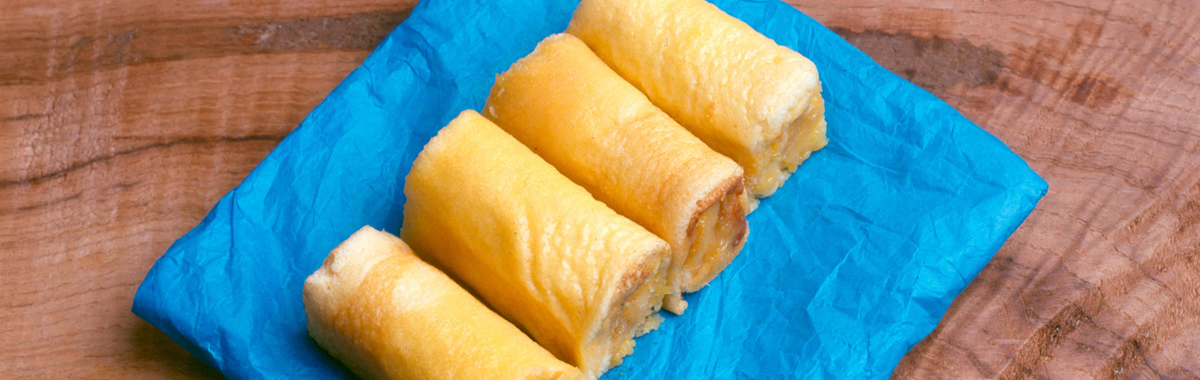
Description: Bella Queijadinha de Barcelos is presented in two forms: a five-spout star and a cigar-shaped. The dough of the filling is wrapped in a wafer and, after being given the shape, the cheesecake goes to the oven to bake. When it comes out of the oven, it is dipped in a fondant syrup and dried in the air, which gives it a white color. The base of the filling is an almond paste with fruits in syrup, fresh white cheese and crushed eggs until it has a porridge con-sistency. Once ready, the queijadinha has a soft consistency, although the wrapper is crispy.
Region: North.
Other denominations: Queijadinhas. Queijadinhas de Barcelos.
Particularity: Cake in the shape of a five-spout star or cigar, with a layer of white sugar and filled with a sweet made from almonds and fruits in syrup.
History: The queijadinha with the name of A Bella Queijadinha de Barcelos appeared around 1900, at the Confeitaria Salvação de Barcelos, which always manufactured and registered it with that name. Although there are other confectioneries in this region manufacturing similar products, the real queijadinha is the one in Barcelos. The recipe was passed on to the descendants, always orally, until the current generation, which is the fifth. The confectionery, nicknamed in 1830 Confeitaria Confiança, changed its name to Salvation, around 1850, due to the habit that its owner, Mr. Manuel Joaquim Duarte Ferreira, had of «swearing by his salvation» that the sweets were from the last batch. Thus, customers started to call it Salvation. Mr. Manuel Joaquim appreciated the name and made it add to his surnames, also changing the name to the confectionery. These data are contained in the History of Confeitaria Salvation.
Use: As a dessert or treat at any time of the day.
Know-how: Grind fruits in syrup (orange in greater proportion, passion fruit, apricot, peach), almond and a little white cheese until it forms a porridge that goes to the heat to thicken with egg yolks. After the cold paste, grated almond kernels are added to give the point of molding. They are wrapped in a host, giving some the shape of a star and others the shape of cigars. They go to the oven to dry, and are then dipped in a sugar syrup made with water and egg whites, which gives them a white color after drying.
Source: Produtos Tradicionais Portugueses, Lisboa, DGDR, 2001
