




 Português
  English (UK)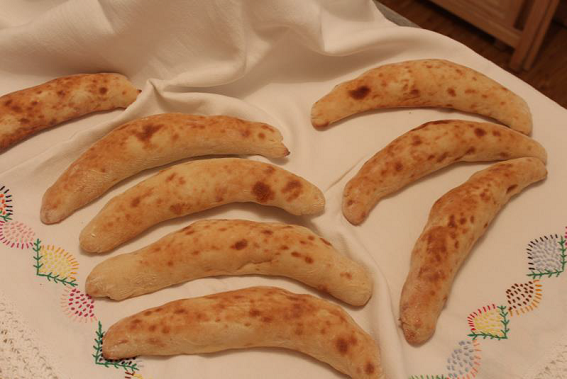
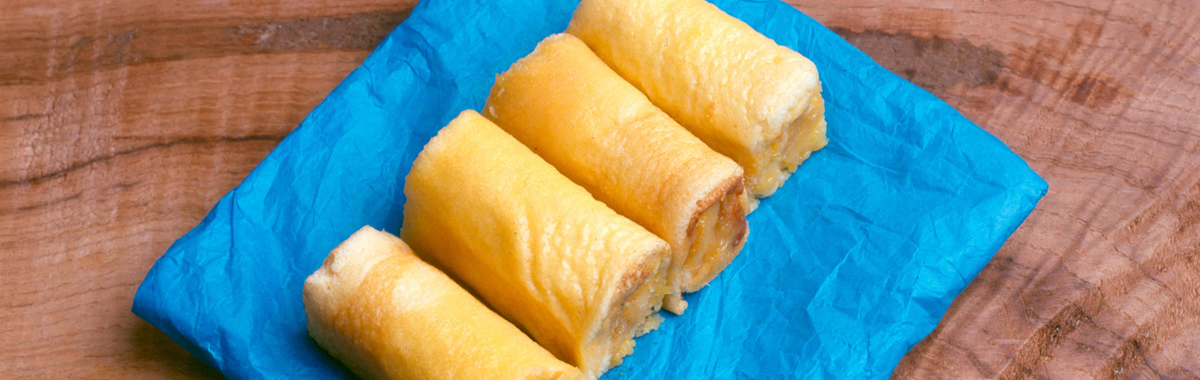
Description (dimensions, color, aroma, texture): About 30 cm long and weighing 140 grams, the pies have the approximate shape of a banana, hence the name pies. The traditional ones have a non-uniform light brown color, as they have the characteristic spots of cooking in a wood oven. The aroma is unmistakable due to its ingre-dients and a little secret that remains and passes from generation to generation in some families. Their texture is also another important characteristic, they are soft and velvety with their own consistency that make them unique and unmistakable.
Particular characteristics (signs that highlight the uniqueness of the product): The shape, flavor, aroma and consistency are characteristics that make them unique and so appreciated in our region and in the country. Many people from other regions also know about Nandufe Pies and look for them whenever they visit this region.
Varieties: As they are so appreciated, the bakery industries in the re-gion have also begun to produce pies, but which are nothing like the traditional ones. They only have in common the name "pies". The uni-form brown color, flavor, consistency and texture, have nothing to do with the traditional ones.
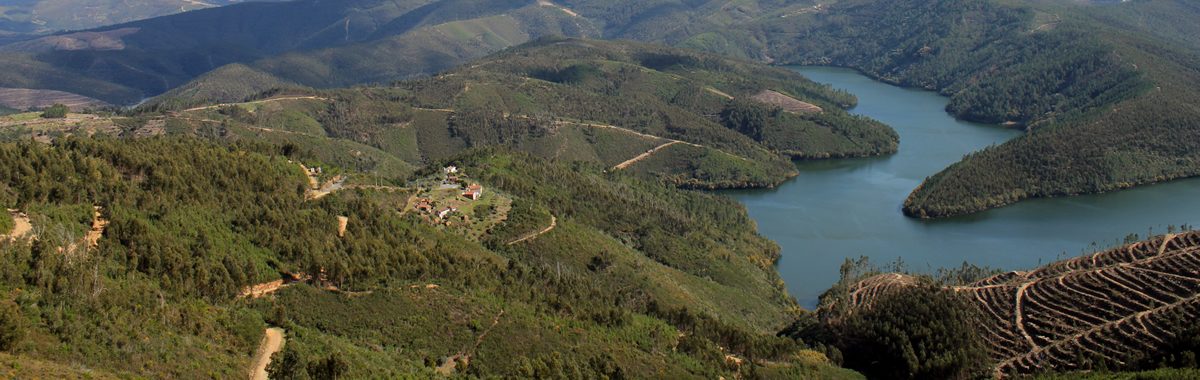
Connection to the natural landscape: The ovens for baking the pies were made with the clay bricks of Naia (Canas de Santa Maria) and the wood for them are from the local forest. Pine, oak, vines, mimosas, among others, are the woods most used to heat ovens, also contributing to give the unique and unmistakable aroma to this delicacy.
Ingredients used: The basic ingredients are wheat flour, salt, eggs, sugar, yeast and water. It should be noted that no food additives are applied to this product, namely enhancers and preservatives.
Preparation: Add the ingredients and mix, kneading vigorously (most often manually) until a homogeneous and consistent mixture is obtained. After rising, they are molded and baked in a wood oven.
Know-how: The pies are placed, one by one, in the wood-fired oven with an open door. They bake for about 7 to 8 minutes and are removed to maintain their characteristic consistency.
Forms of commercialization: Its commercialization is mainly done in the region's fairs, festivals and pilgrimages. The sale is made directly to the final consumer. Currently they can also be found in the traditional commerce of the municipality of Tondela.
Product availability throughout the year: Nandufe Pies are produced all year round and are available at any time.
Product history: In times of great economic difficulties, local bakers sought to develop their activities by producing and marketing cornbread, wheat bread, rye and mix, using cereals grown at the time and in the region. These products were sold through the doors, at fairs, markets, festivals and religious pilgrimages.
Some of these bakers, in an attempt to diversify their production/offer, began to produce cakes for weddings (mostly sponge cake) and for parties and pilgrimages (biscuits covered with sugar). It is these confectioners who, for the first time, make a dry, long and crooked cake that results from a mixture of bread and cake (pão-de-ló). These cakes were given the name pies (due to their shape).
The pies began to be produced, initially, in the Colmeeiras in Tondela and of which the confectioner Elisa Rodrigues, better known as Elisa do Carloto, is an example. Over time, these confectioners and bakers of Colmeeiras ended up disappearing and, in Nandufe, then a village located almost next to Colmeeiras, some bread and pies with the same characteristics appeared.
Currently some artisanal bakeries still maintain this tradition combined with the manufacture of cornbread and wheat bread and mixture (rye and wheat).
Representativeness in local food: Even today the Nandufe Pies are much appreciated and commercialized, having, therefore, a significant representation in local food, more associated with festivals and pilgrimages.
Product availability (in extinction, continuous supply, recovery): There is currently a continuous supply/manufacture of these cakes in Nandufe and Canas de Santa Maria (Fontejão). The appearance of Nandufe pies in Canas de Santa Maria results from the continuation of the tradition of a Nandufe bakery that has since closed.
Other designations: No other designations are known.
Geographical area of production: The pies were initially produced (early and mid-twentieth century) in Colmeeiras, in Tondela (by four artisanal bakers), then they started to be manufactured in two bakeries in Nandufe. Currently, there is an artisanal bakery in the town of Nandufe and the tradition of the other has passed to Canas de Santa Maria (Fontejão), where a new generation keeps this tradition of Tortas de Nandufe alive.
Source: Confraria Gastronómica do Cabrito e da Serra do Caramulo
