







 Português
  English (UK)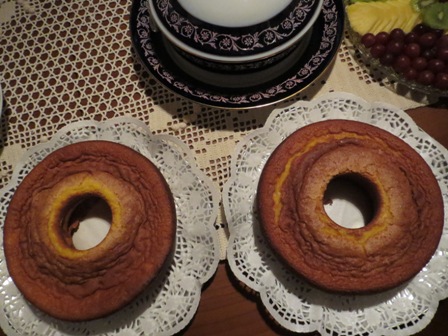
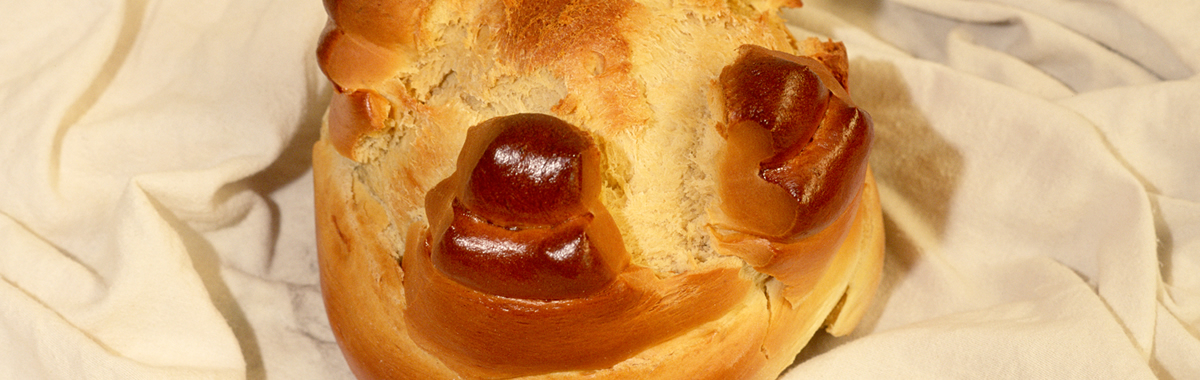
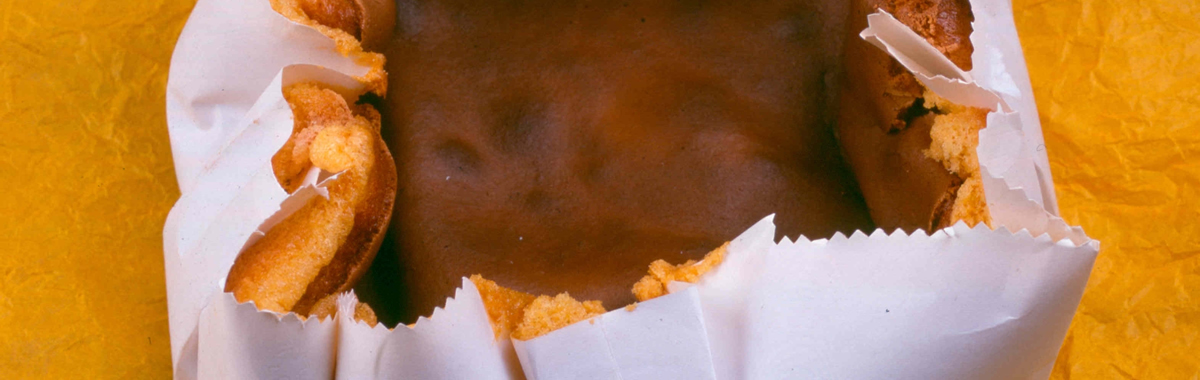
Description: Cake with a fluffy dough (slightly spongy), with a yellow hue and a citrus odor.
Particular characteristics: Nothing to be registered.
Species, varieties or breeds: Nothing to record.
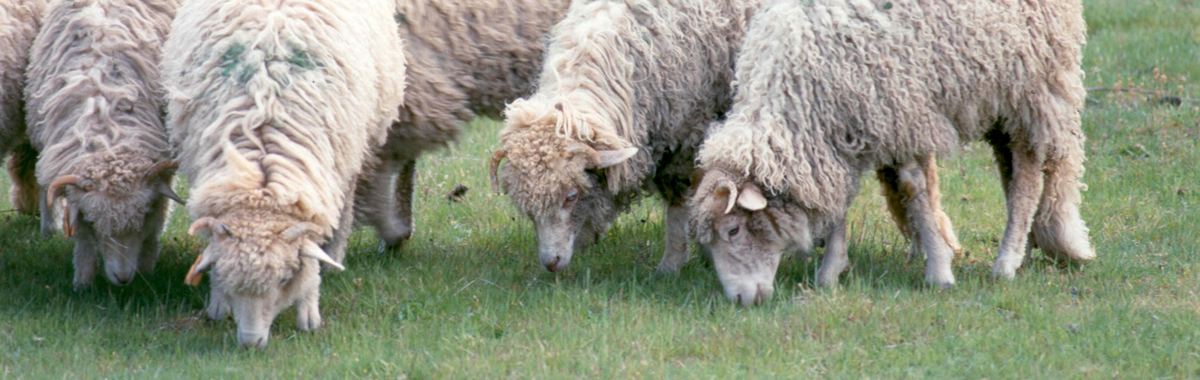
Connection to the natural landscape: Its confection is based on products from local livestock.
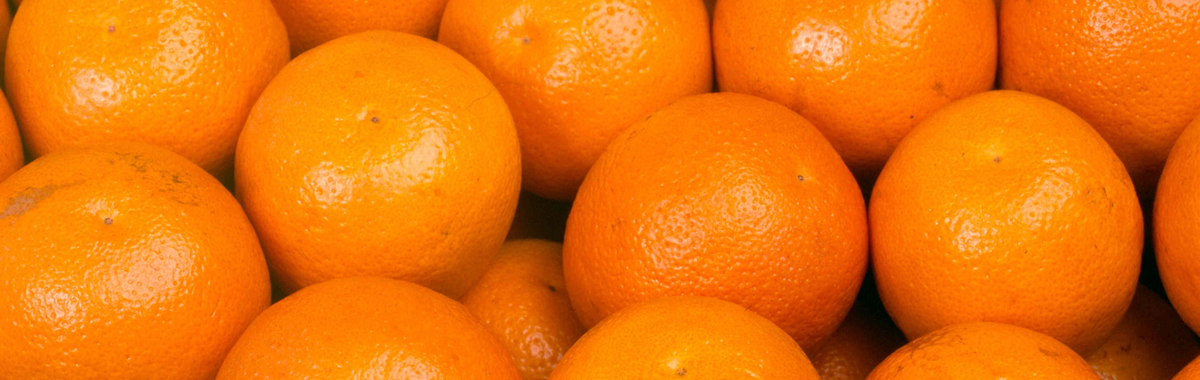
Ingredients used: Eggs, sugar, wheat flour, salt and orange or lemon zest.
Preparation: In a bowl, add the whole eggs with the sugar and mix well, add the flour and stir well, until a homogeneous mixture is made. At the end, add the orange or lemon zest.
Grease a pan with butter, sprinkle with flour and place the dough inside. It goes to the oven, to bake, and it must be previously heated.
Know-how: Eggs should preferably be homemade. Depending on taste, the egg whites may or may not be separated from the yolks and whipped into a whirlpool. If the flour is not suitable for cakes, baking powder should be added. When you add orange zest, you can also add the juice of the same. To find out if it is cooked, a toothpick is used, which when introduced into the dough should come out dry.
Forms of commercialization: This type of sponge cake is not commercialized.
Product availability: Throughout the year.
Product history: Eggs were products that existed in rural homes, as well as wheat flour, so it was a sweet accessible to all families.
Representativeness in local food: It is used on festive days and produced at home.
Product Availability: Continuous Supply.
Geographical area of production: Municipality of Vagos and neighboring locations.
