

 Português
  English (UK)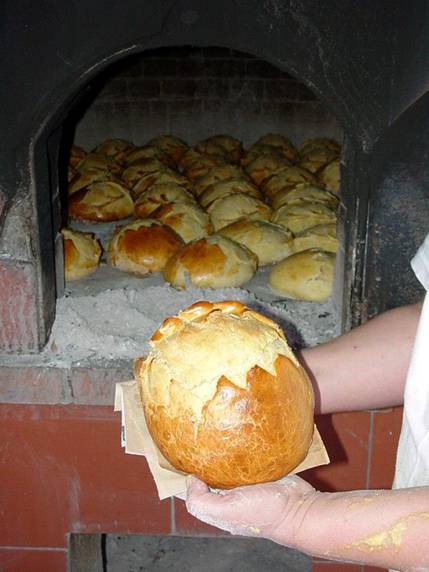
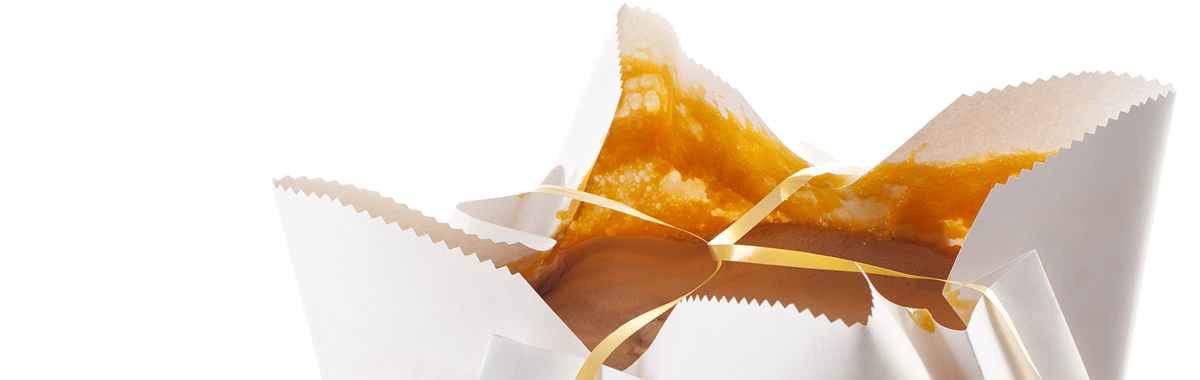
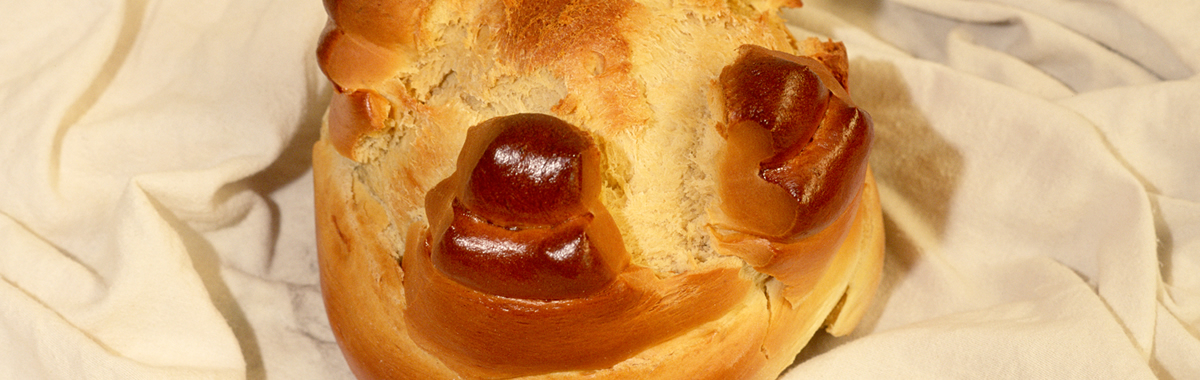
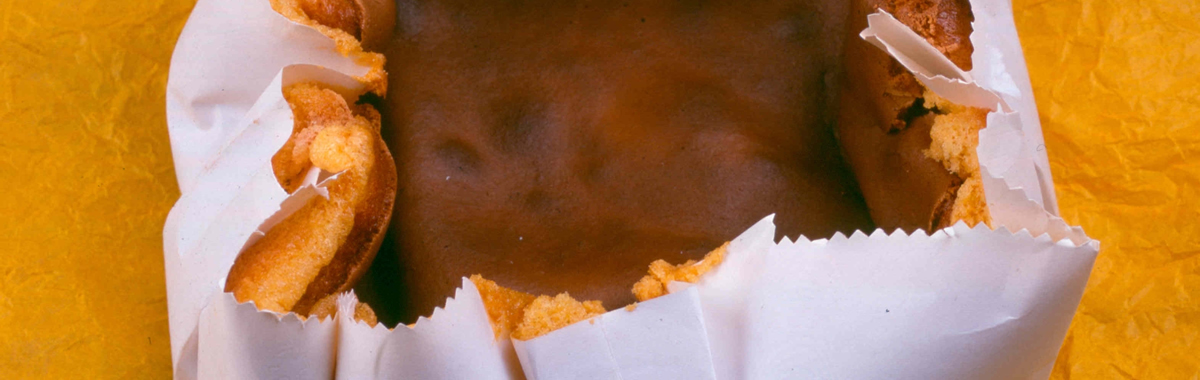
Description: Sweet cake, with a light and soft texture, made from flour, sugar, eggs and butter. It has a characteristic look with small golden "ridges" on the top of the cake.
Special features: The Ançã Cake is part of the family of sweet folars, with a strong tradition at Easter time. It is not very sweet and has some durability.
Region: Center
Ingredients used: Flour, sugar, eggs, butter and baker's yeast.
Preparation: Add the yeast previously crumbled in water to the flour, gradually letting it rest for 10 minutes. Then mix part of the eggs and sugar and add them to the flour dough, working it until the ingredients are well incorporated. Then add the remaining eggs and sugar, adding one egg at a time. Add the butter, working well until you get a smooth, elastic and homogeneous dough. It is left to rise in a mild place. When the dough has doubled in volume, shape the cakes and place them on baking trays; They are allowed to rise again, brush with beaten egg yolk and bake in a wood-fired oven, until they are golden brown.
Know-how: The Ançã Cake is based on an artisanal manufacturing process, being kneaded manually and baked in a wood-fired oven. In Ançã, horn cakes are also manufactured, in the shape of an "S" and with a cinnamon flavor, and thin cakes, richer and with more eggs, generally given as folar at Easter.
Forms of commercialization: They are sold mainly in the village of Ançã, where the boleiras sell them in açafates, or in fairs and markets in the region.
Product availability throughout the year: All year round.
Product history: The origin of the Ançã cake is lost in time, and the secret of its manufacture has been passed down from parents to children. The cake is simple to make, with ordinary ingredients, but of recognized quality, and is based on an artisanal manufacturing process. This process, maintained during generations of boleiras, made it a typical product of this village, known and appreciated especially in Beira Litoral. For a long time, travelers and tourists have been buying them from boleiras, which with their saffates filled with golden cakes have become a typical image of the village, and are al-so a regular presence in markets and fairs. This cake also gathered admirers from Lisbon, "who on their return to the Capital take the cars loaded with the splendid lambarice", according to the testimony of Jaime Cortesão, in 1933.
Representativeness in local food: Very popular in the fairs and streets of the municipalities of Cantanhede, Coimbra and Figueira da Foz.
Source: DGADR, based on information collected on the website of the Municipality of Cantanhede.
