


 Português
  English (UK)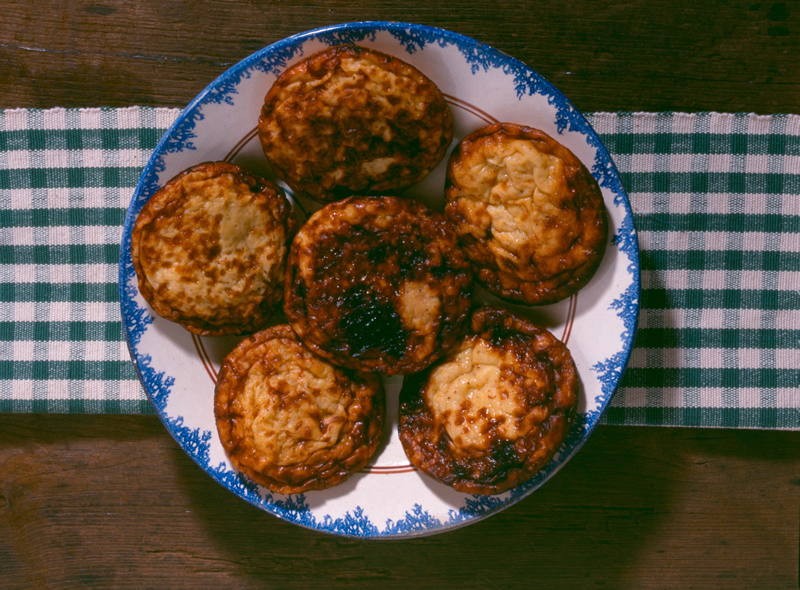
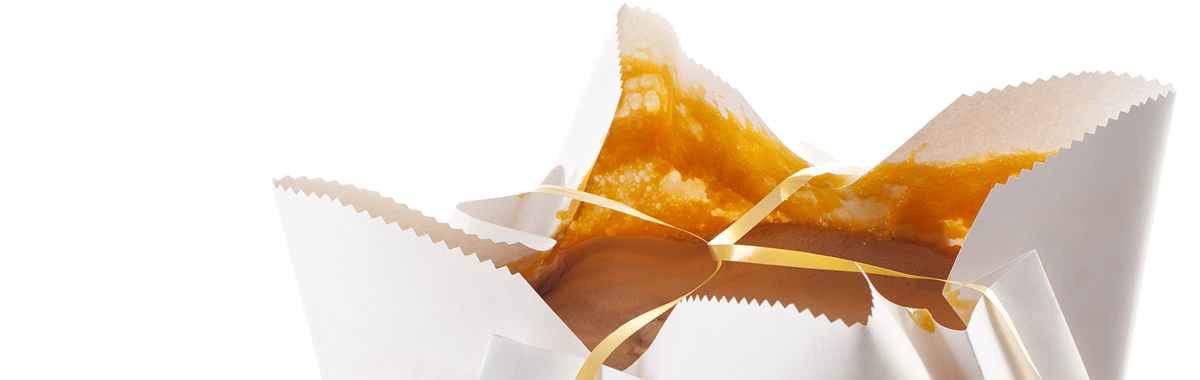
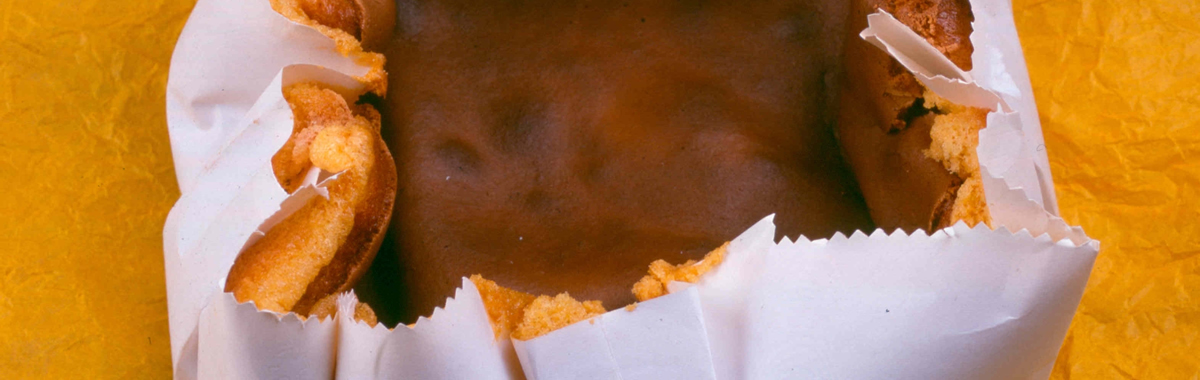
Description: The Tigelada has the shape of a disc 2 cm thick and 10 to 12 cm in diameter. It has a brownish-yellow color and a polished texture. Its lower part is honeycomb due to the high temperature that the bowl reaches in the oven before the mixture is joined. Tigeladas are made with eggs, milk, unleavened flour, sugar, lemon and salt.
Region: Lisbon and Tagus Valley.
Other denominations: Tigelada de Ferreira do Zêzere.
Particularity: Apudinated sweet, with pleasant texture and flavor, whose cooking is done in a glazed clay bowl, previously heated.
History: By consulting the historical archives, it was found that the recipe for a sweet called Tigeladas de D.ª Maria de Vilhena appears in the Infanta D.ª Maria Cookbook, published by the Imprensa Nacional — Casa da Moeda, which coincides with the recipe of the Tigeladas de Abrantes. In a more or less consensual way, the product is considered a conventual sweet. There is a set of documentation in the Historical Archive of the Municipality of Abrantes in which there is a list of recipes from the Convent of Graça de Abrantes, which contains the recipe for the Tigeladas. However, its origin is claimed in several localities in the municipality of Abrantes.
Use: Used as a dessert it can, however, be consumed at any time of the day.
Know-how: Beat the ingredients (except the milk) with a wooden spoon. Afterwards, add the milk and beat normally. The secret of the Tigeladas is in the (wood) oven, which must be very hot. Only then are the bowls placed in the oven until they heat up well. When the bowls are very hot, pour the preparation described above (with a proper utensil). Remove them from the oven when they are golden brown.
Source: Produtos Tradicionais Portugueses, Lisboa, DGDR, 2001
