



 Português
  English (UK)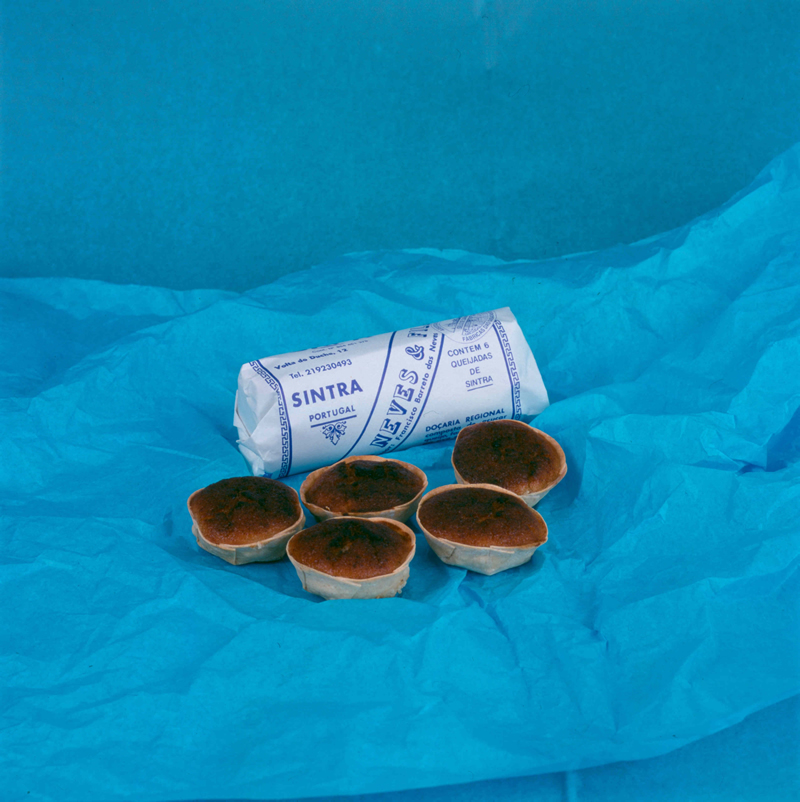
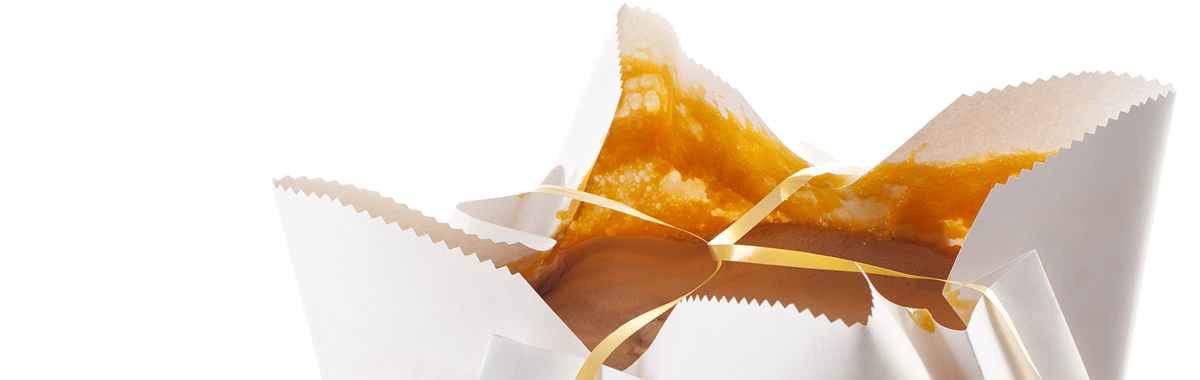
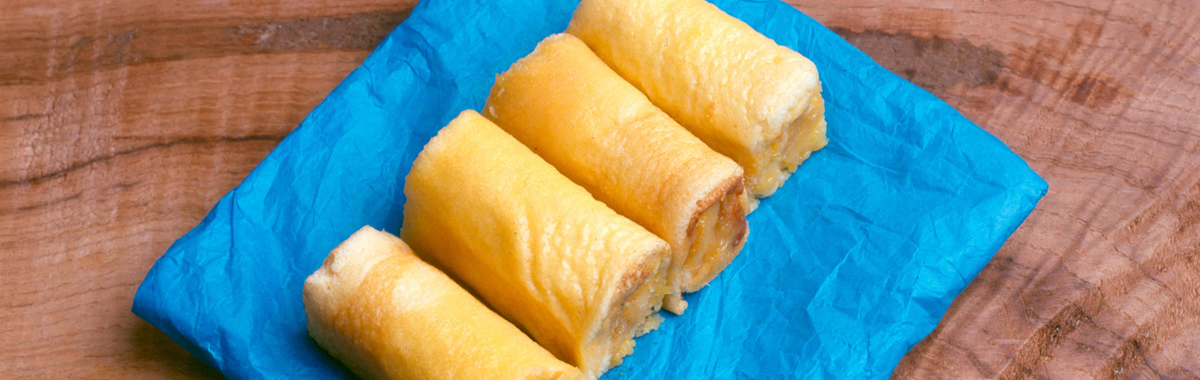
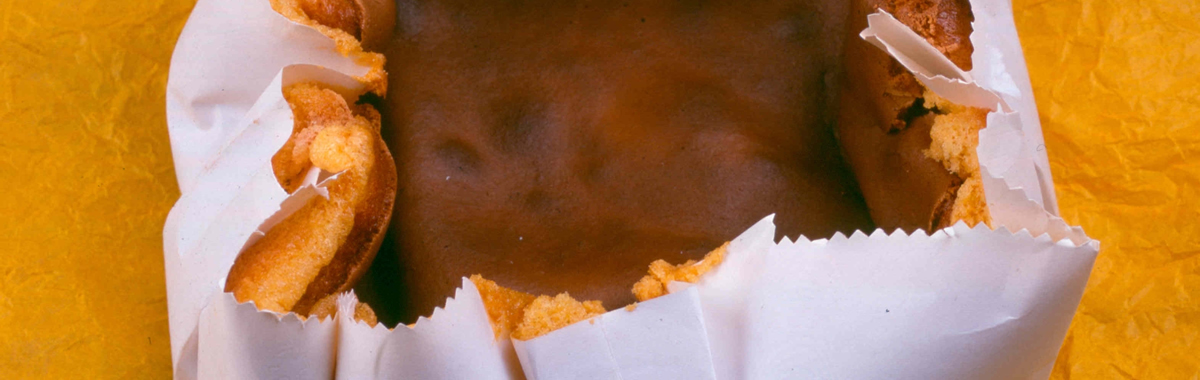
Description: Boxes of tender dough, about 5cm in the largest diameter, filled with a paste made of fresh cheese, eggs, sugar, flour and cinnamon (1 teaspoon) and cooked in the oven. They are packaged in rolls of 6, joined two by two by the larger diameter with a paper separator between them. They weigh about 35 g.
Region: Lisbon and Tagus Valley.
Particularity: Dough boxes that serve as a support for the jam, made of a mixture of fresh cheese, eggs and cinnamon, which gives them a particular taste.
History: The Queijadas de Sintra have been known since at least 1227, being used as payment for charters and having their industrialization begun in the nineteenth century. Eça de Queiroz refers to the recommendation of a mother to her son who is going to take a walk in Sintra: «Don't forget the queijadas». Tude Martins de Sousa refers to a series of rents paid in queijadas. Alfredo Pinto mentions that its industrialization began in 1756 with Maria Sapa, from Ranholas, who would make 20 dozen queijadas a day. The Queijadas de Sintra were awarded at the Regional Exhibitions of Sintra and Oeiras, in 1926, 1929 and 1936.
Use: They are highly appreciated as a treat, being eaten at any time of the day.
Know-how: The dough of flour, butter and water is prepared 24 hours in advance and kept covered with a dry cloth on which a damp cloth is placed. The dough should be very stiff. For the filling, the cheese is crushed, mixed with sugar and added the egg yolks, flour and cinnamon. Roll out the dough very thinly, cut slices with a diameter of 6 cm, give a few strokes on the edge with scissors and line the molds. They are filled with the mixture and bake in a very hot oven.
Source: Produtos Tradicionais Portugueses, Lisboa, DGDR, 2001
