



 Português
  English (UK)
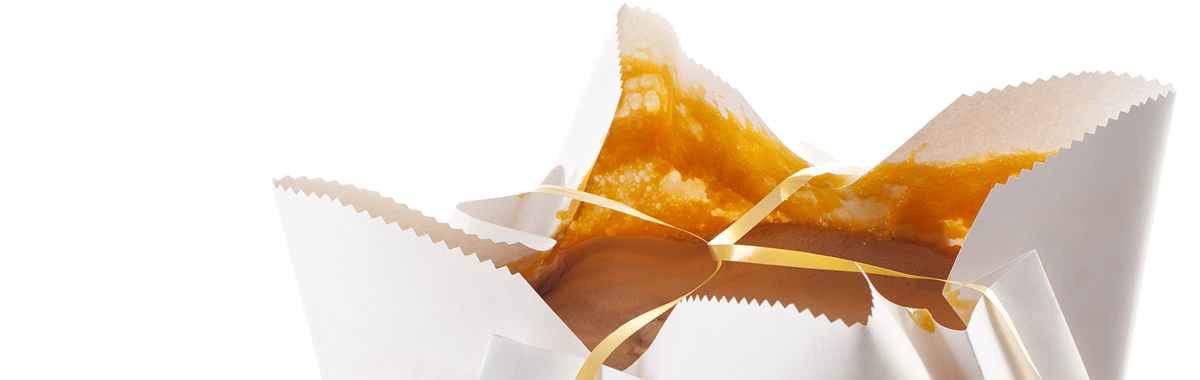
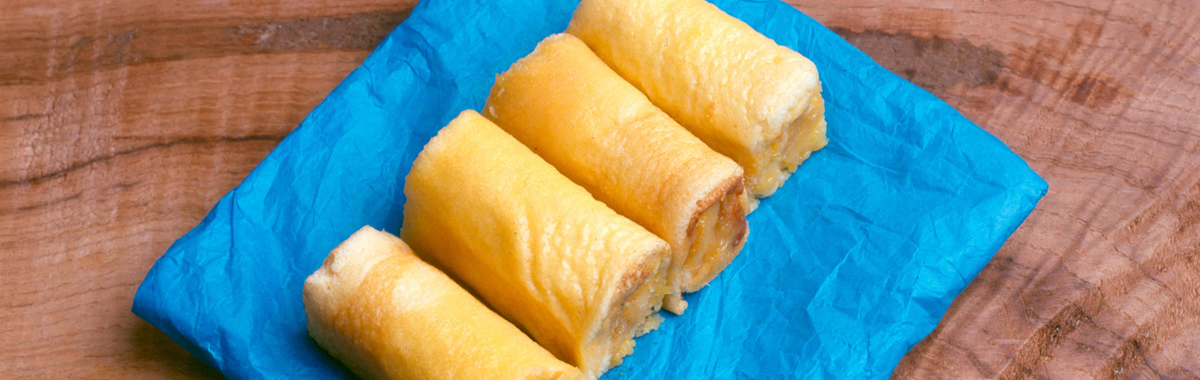
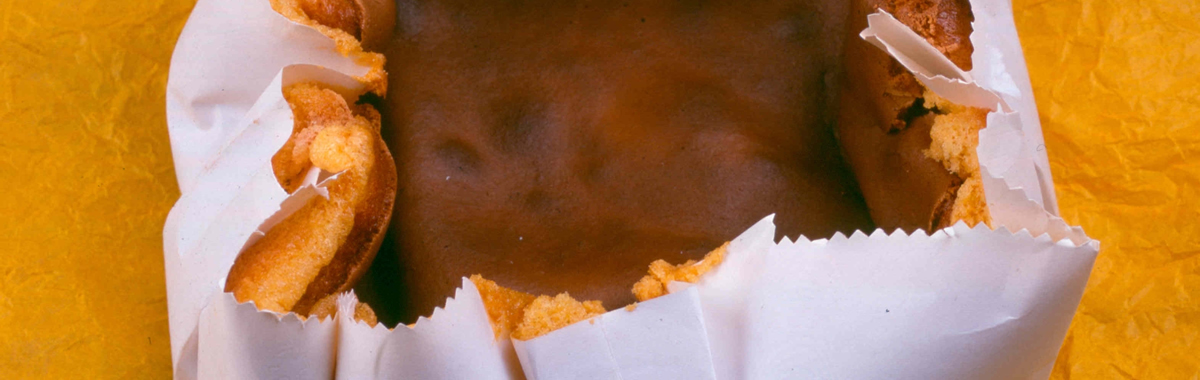
Description: Cake prepared with eggs, sugar, flour, salt and enough wine brandy. The cake is extremely light and fragile, so it is sold only at the manufacturing site. It is presented in the shops in cardboard boxes with the logo of the factory. In the past, the tape that wrapped the packaging carried a lead seal, ensuring the genuineness of the product. There are four types of packaging: large, medium, medium small and small, depending on the shape of the cake.
Region: Lisbon and Tagus Valley.
Particularity: Very light and fluffy cake, round and concave in the center. Sold only at the manufacturing site.
History: Your history is lost in time. However, it is believed that it originated in the Monastery of Santa Maria de Cós (Alcobaça) and that it is the result of ancestral recipes of nuns, whose culinary cult was a school in the region, with the village of Alfeizerão being considered the heir to the recipe. Knowing the secret, the prior of the time, Father João Matos Vieira, for the sake of survival during the 1910 Revolution, began, with the help of family and friends, the confection and marketing of this product. The Lisbon-Porto connection road then passed through Alfeizerão and drivers soon got into the habit of stopping there to buy the much-appreciated cake. In the slang of the drivers, the cake was also called the «Pão-de-Ló do Preto», because at the door of the store there were two dolls painted black. If the wait-er was not there, the customer would take the packed and sealed cake and leave the money on the counter, in a demonstration of honesty that is already rare in our times.
Use: At any time of the day, as a treat. Even today there are drivers who deviate from the main road to go eat a slice of cake.
Know-how: Beat the eggs with the sugar, salt and brandy (most eggs do not contain the white). Beat for a long time, until the dough rises considerably, and then add the flour and continue beating. Place the dough in the greased pan and bake at the appropriate temperature (one of the manufacturing secrets), placing a brown paper on top of the pan, which also favors the cooking of the ló (cream). As he grows up, he shapes the base for the lot (another manufacturing secret) with his fingers. The cake should be fluffy and moist. When ready, line the packaging box with parchment paper, forming a cross. Place the cake and pull the sheets of paper in order to cover the cake.
Source: Produtos Tradicionais Portugueses, Lisboa, DGDR, 2001
