







 Português
  English (UK)
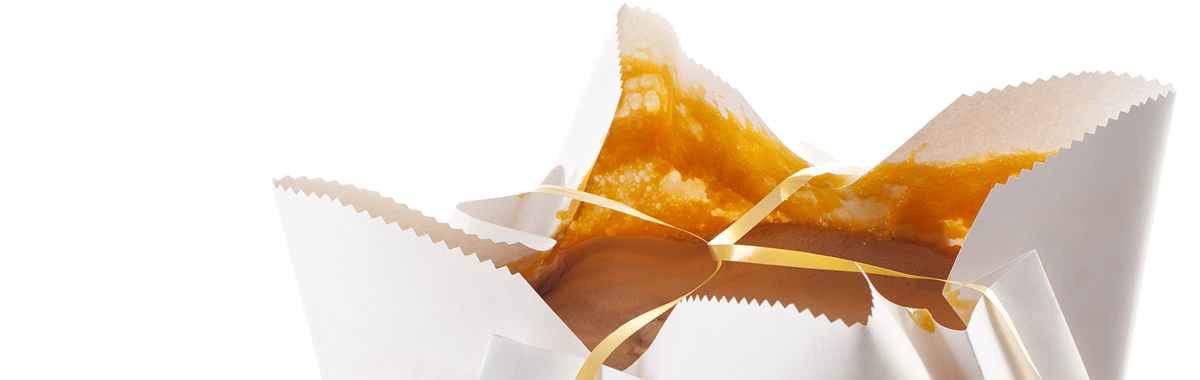
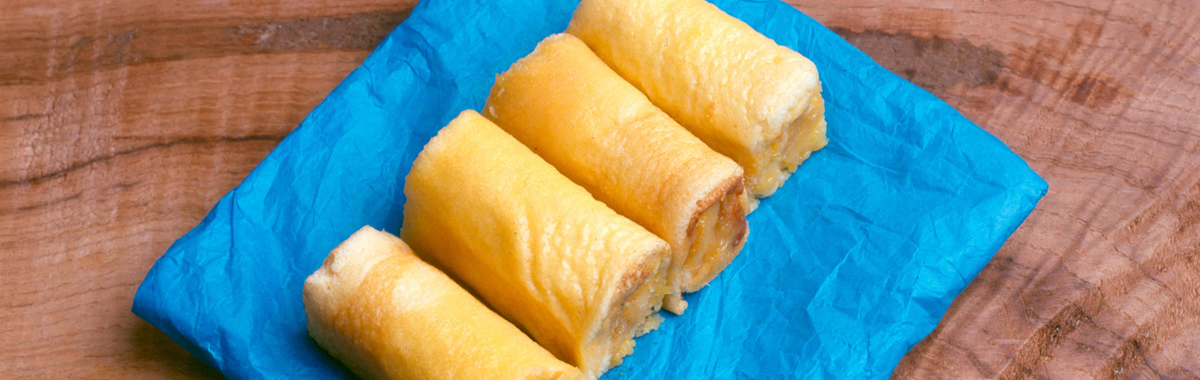
Description: Boats (brand of the city's fishing tradition) of vanilla biscuit with 12 cm length. filled with bitter orange jam, having a weight of about 35 g. They are commercially presented in cardboard boxes with 12 boats placed in two layers separated by paper. The boxes have orange urns designed in their typical color, and are then wrapped in yellow cellophane.
Region: Lisbon and Tagus Valley.
Variants: The jam is sometimes presented in vases.
Special feature: Vanilla biscuit molds in the shape of small boats filled with bitter orange jam.
History: This sweet is perhaps reminiscent of the time when orange groves occupied an important part of the Peninsula. Citrus fruit production was once so important that even today pitted oranges are called 'bay oranges'... of the bay of Setúbal, of course. It is known, from previous research, that orange jam is born in Palácio Cabedo. The Cabedo family settled in Setúbal in the fifteenth century and to this day there have been Cabedos born in the city of Sado. The Cabedo family was a wealthy family with an important political and social past, which fell into decline in 1910 with the establishment of the Republic. It is not known for sure to which era the sweet relates, although the orange groves of Setúbal date from the sixteenth century. The Confeitaria Triunfo, owned by José Veríssimo Abrantes, founded on 15/12/1922, is dedicated to the manufacture of orange jam, whose recipe was brought by a relative of his who provided domestic services in the famous Cabedo Palace. In the 1930s, mass production intensified. The jam was sold in oranges, which, emptied of their pulp, were filled with the jam. It was later presented in a beautiful glass package, and the current presentation is comparatively more recent.
Use: Much appreciated as a treat, they are consumed at any time of the day.
Know-how: The bitter orange peel is subjected to a few days of mac-eration in water, and then cooked and crushed. It is mixed, after being crushed, with sugar and boils over low heat until it reaches the desired consistency.
Source: Produtos Tradicionais Portugueses, Lisboa, DGDR, 2001
