


 Português
  English (UK)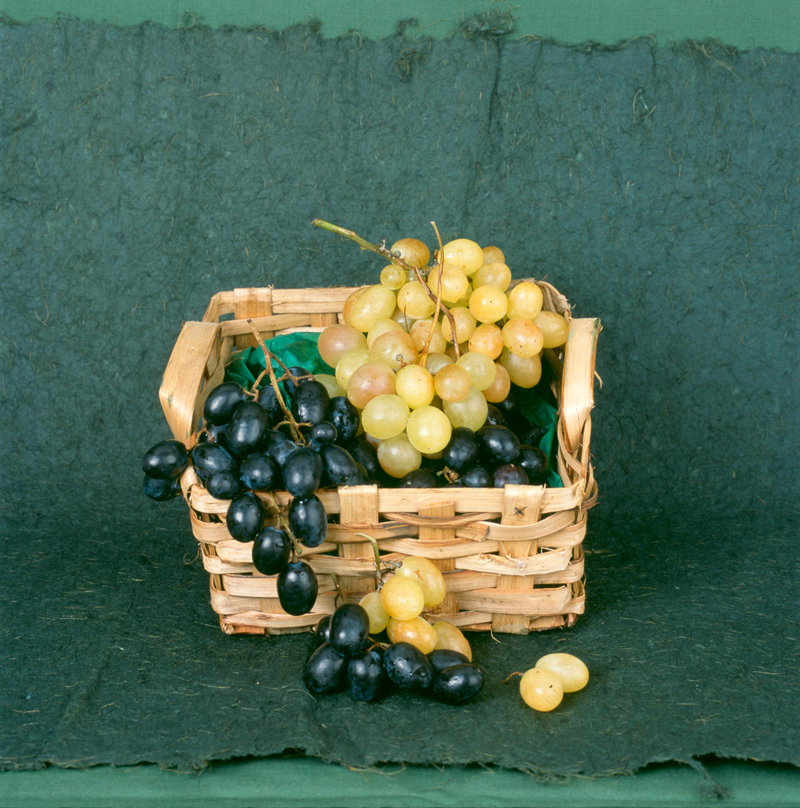
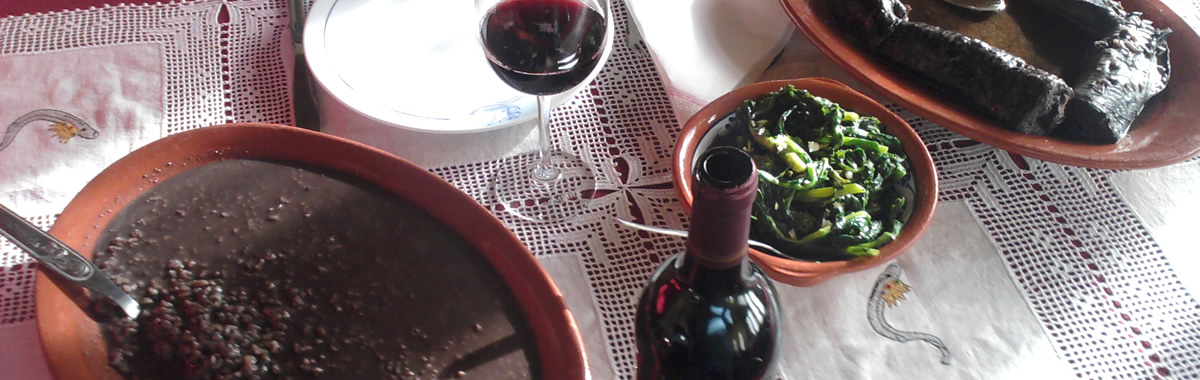
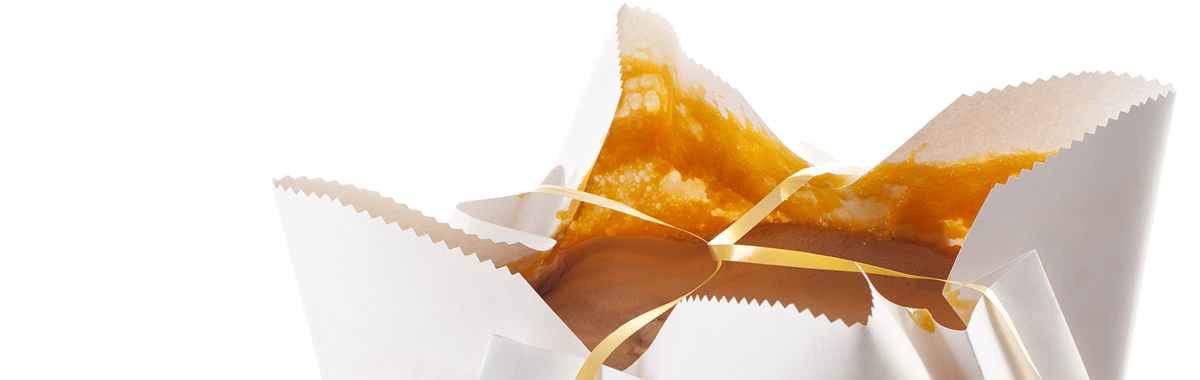
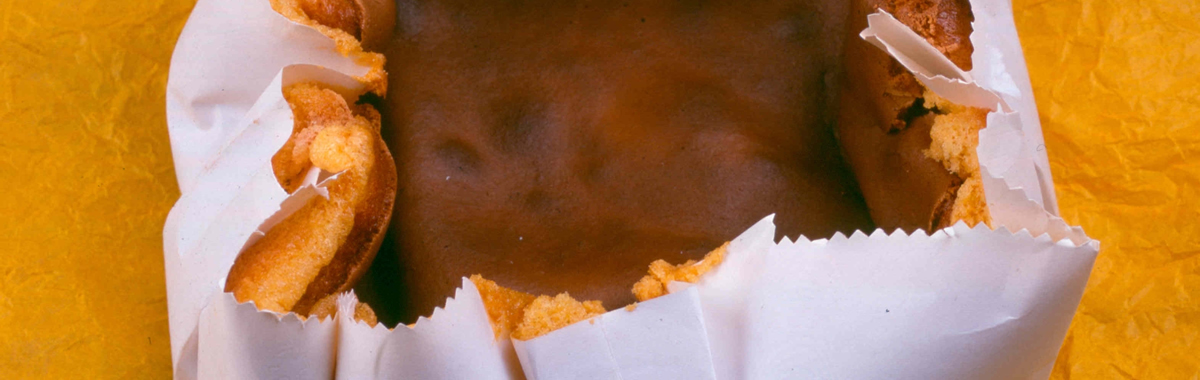
Description: Sweet made with grape must and seasonal fruit (peach, apple, pear, melon), in equal parts. It comes in 250 g clay bowls.
Region: Lisbon and Tagus Valley.
Other denominations: Arroube. At. Uvada.
Special feature: Dark sweet, grainy, without added sugar.
History: It is a sweet made at harvest time, and throughout the year it replaces butter to spread bread, in a region that had few traditions of honey consumption and was, par excellence, a producer of wine and fruit. It is a very old sweet that dates back to the time when sugar was scarce in the country. It is difficult to find its origins, but for many Lisboners who, at the time of the Second World War, sought the villages for better food, the making of the sweet in the wine-producing farmhouses is part of their most striking memories. Several attempts have been made to produce the sweet industrially, on a small scale, to take advantage of the excess of grapes and apples, but to date none has gone ahead. Virgílio Dantas defines «arrobe» as «syrup that is obtained by the concentration, by heat, of the grape must syrup until it reduces its volume to 1/3. The same name is also given to the sweet whose base is concentrated must and whose composition includes various fruits. The concentration of must, which used to have a homemade character, is now carried out in an industrial regime, thus representing a source of flow for wine products».
Use: As a dessert but, above all, to spread bread for breakfast or snack.
Know-how: In a wire or copper pan, pour the must obtained from the grapes that were trodden in the mill. The first must is usually used. To this must are added the fruits previously cut into coarse pieces. The pan is placed on a tripod in the fireplace and it is up to the younger ones, who are not in the harvest, to stir the jam so as not to catch it. The jam boils until it has the consistency of a thick paste, which is verified by dragging the wooden spoon on the bottom of the pan and checking if it opens the «road» (as is done for marmalade). Then the jam is placed in glazed clay bowls and the bowls are covered with parchment paper soaked in brandy. Sometimes, when the sweet ar-rives the following year, it has a crust of crystallized sugar on the surface.
Source: Produtos Tradicionais Portugueses, Lisboa, DGDR, 2001
