




 Português
  English (UK)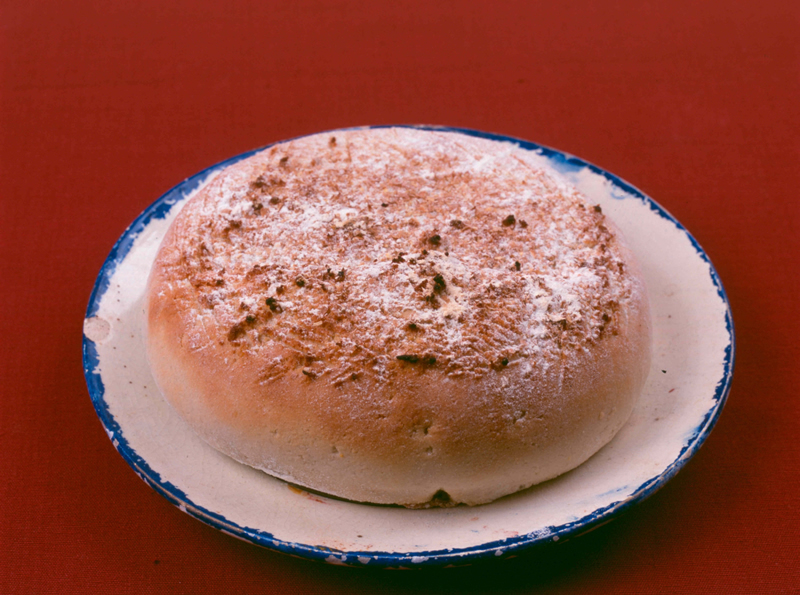
Description: Cake made with sugar, almonds, egg yolks and some water to form a paste called «species» that forms the wrapper of the «bread». This is then filled with egg threads, ovos moles and gila jam. It also takes lemon zest and, eventually, chocolate. Flour is used as a handling aid.
Region: Alentejo.
Variants: With chocolate. No chocolate.
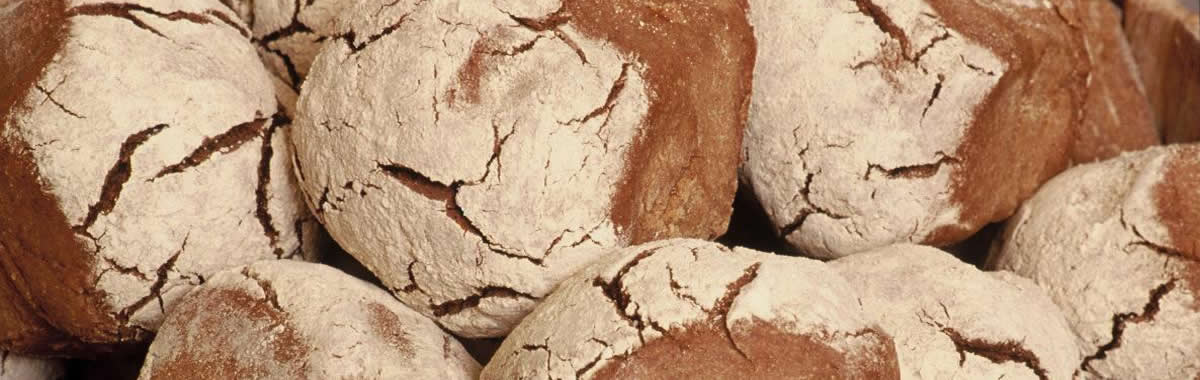
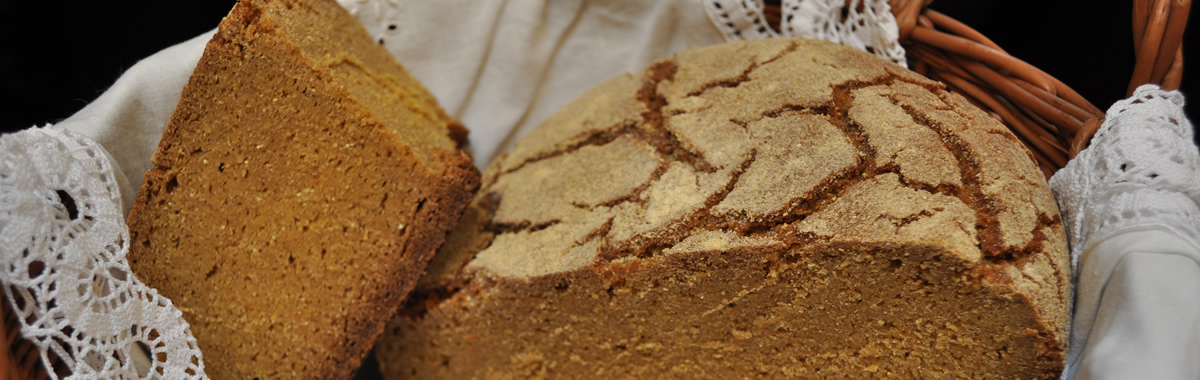
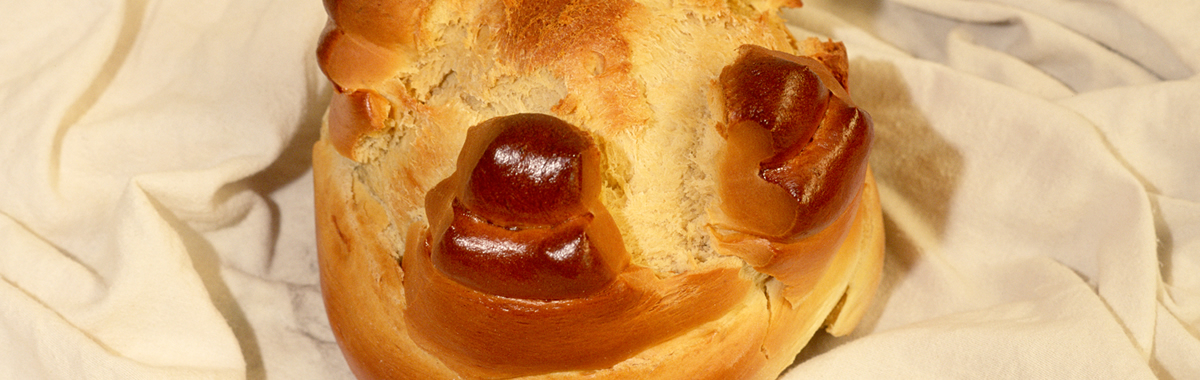
Particularity: Round cake, in the shape of wheat or corn bread, filled with egg jam (egg threads and soft eggs) and gila and with variable color, depending on whether or not it has chocolate.
History: Conventual sweet from the region of Évora, with variants that include egg bundles in the filling and may or may not have chocolate. Like most conventual sweets in this region, it takes gila jam. The Pão de Rala is referred to in the manuscript dated from the eighteenth century that contains the recipes for the cakes made by the sisters of the Monastery of Santa Clara de Évora, founded in the fourteenth century. The term 'species' that appears in the recipe perhaps comes from the fact that much of the confectionery in this region is made using spices (species pops, cakes, etc.).
Use: As a dessert of great magnificence, on days of great celebration. A set of sweets consisting of Pão de Rala and an olive oil with sweet olives and a sweet chorizo, made with the same dough as Pão de Rala and also a queijinho-do-céu, is called a snack.
Know-how: For the species (outer layer), make a sugar syrup, add the grated almonds, eggs and lemon zest and bring to a low heat, stirring with a back-and-forth movement. If you want to imitate cornbread, add chocolate now. When the species cools, it spreads over a tin or wooden plate to form a slice without cracks. In the center of the slice, in alternating layers, strands of eggs and gila jam previously mixed with the soft eggs are placed in a pile. The species is pulled upwards, giving it the shape of a wheat or corn bread. It is placed, by sliding, on flour (with a height of 1cm) on a baking tray. Remove from the oven and only remove from the tray after it has cooled. Egg bundles can be used in the filling.
Source: Produtos Tradicionais Portugueses, Lisboa, DGDR, 2001
