







 Português
  English (UK)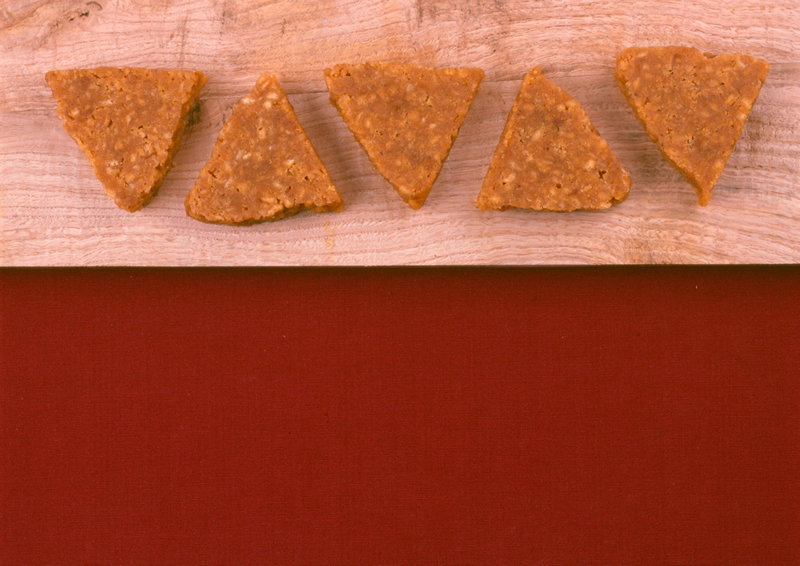
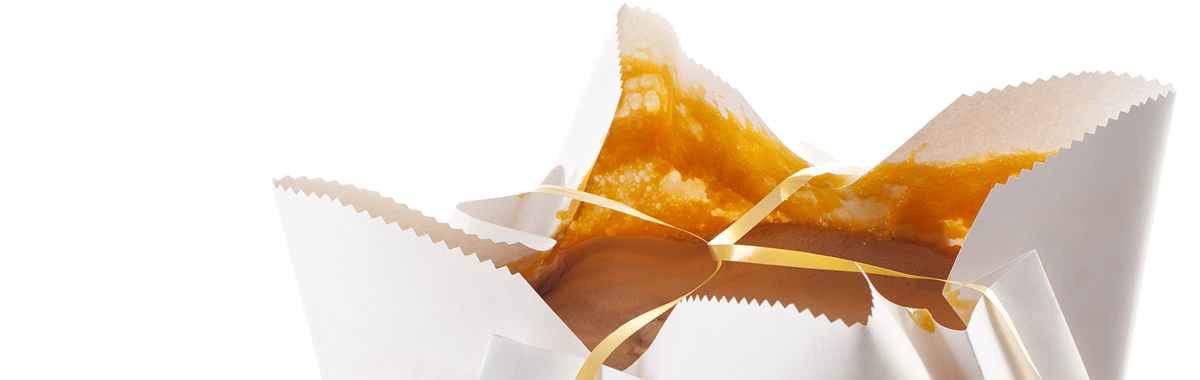
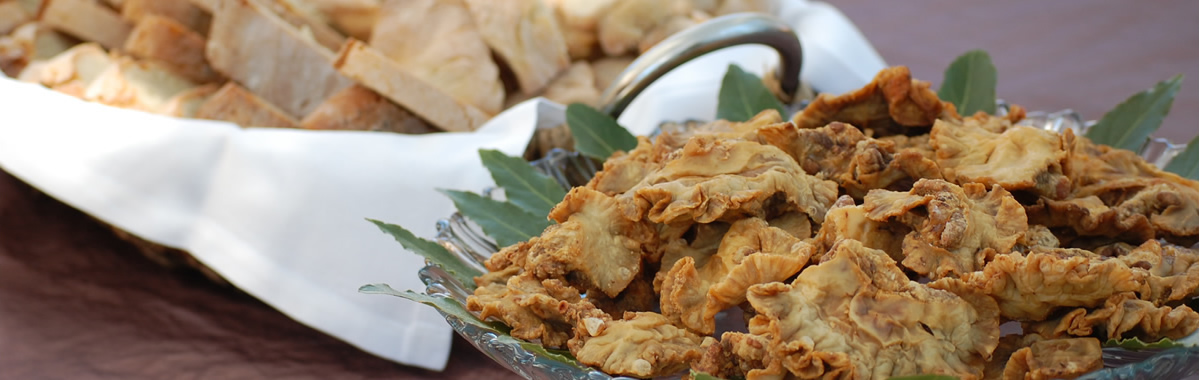
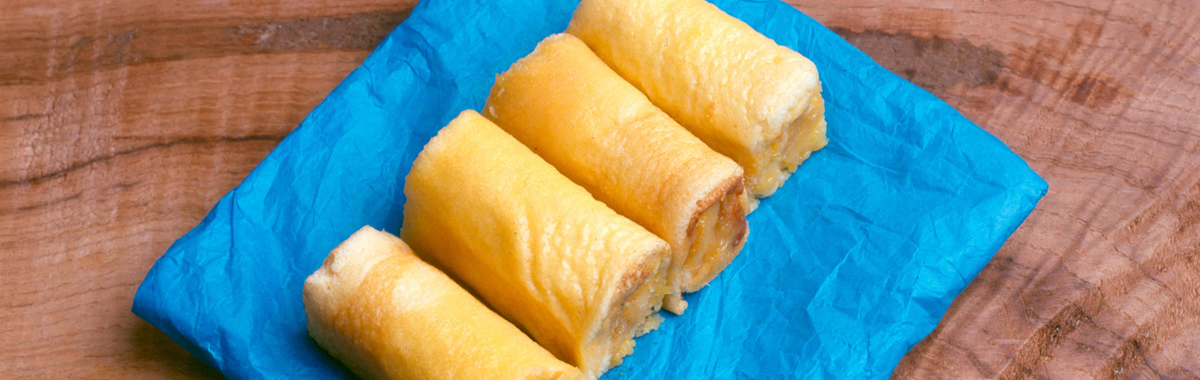
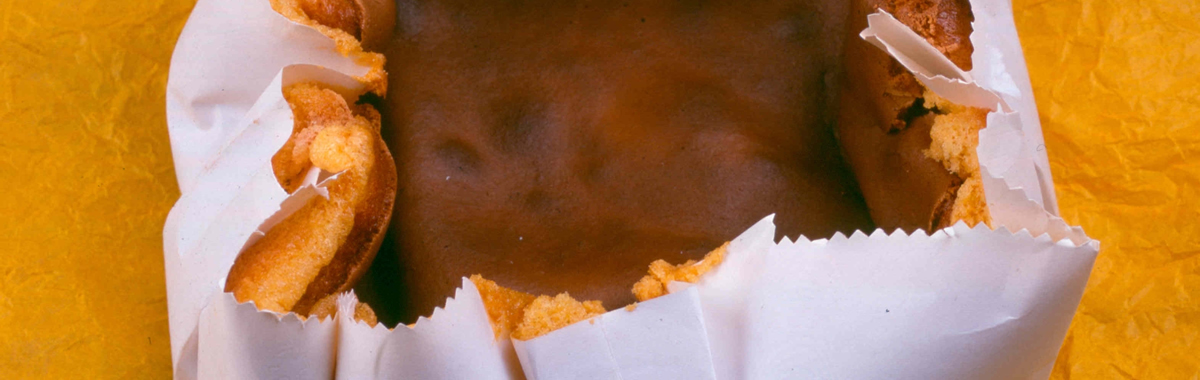
Description: Fried dough jam that can be made with eggs, olive oil, flour (how much is enough to tender), salt, cinnamon, lemon peel and honey. You can also use the dough that remains of the donuts, which is fried into pieces and wrapped in honey.
Region: Alentejo.
Other Denominations: Pinhonate. Pinhote.
Particularity: Sweet consisting of small triangles or squares (about 1 cm on a side) of fried dough and agglomerated with honey, usually served on orange leaves.
History: Nógados are, in the Alentejo, a gastronomic specialty of great importance. They are traditionally prepared during Carnival, with the dough left over from the donuts. In Beja, however, they are also manufactured by S. João. As strange as it may seem, they do not have nuts or pine nuts as their name seems to indicate. This finding is mysterious, all the more so since this sweet is not known in other regions of the country. The origin of this sweet is attributed to the Royal Convent of the Servants of Borba, although it is a very popular recipe throughout the Alentejo. It appears most frequently in the areas of Elvas, Estremoz and Portalegre. In a cookbook from the beginning of the century, there is already a recipe called Nógados do Alentejo.
Use: Consumed as a treat or dessert. Traditionally prepared, in the region of Beja, by the festivities of S. João, and in the other regions of Alentejo by Christmas and Carnival.
Know-how: Either you use leftover dough left over from the doughnuts or you make a dough by beating the eggs, olive oil, salt and enough flour by hand to tend slender rolls (1cm in diameter) that are cut into pieces about 1 cm long. You can take brandy. Fry these pieces of dough in olive oil or oil. Boil the honey with cinnamon and lemon zest to the point of paste. Insert the fried pieces and remove them. The way the jam is presented varies:
— shaped like a thick paio or in the shape of an Alentejo tile (half-cane) that, after cooling, is cut into pieces and placed on orange or lemon leaves;
— make heaps with wet hands, compress them and place them on paper or on orange or lemon leaves;
— place the paste on a damp board, make a layer, let it dry and, with the heated knife, cut rectangles that are placed on paper or on orange or lemon leaves.
Source: Produtos Tradicionais Portugueses, Lisboa, DGDR, 2001
