




 Português
  English (UK)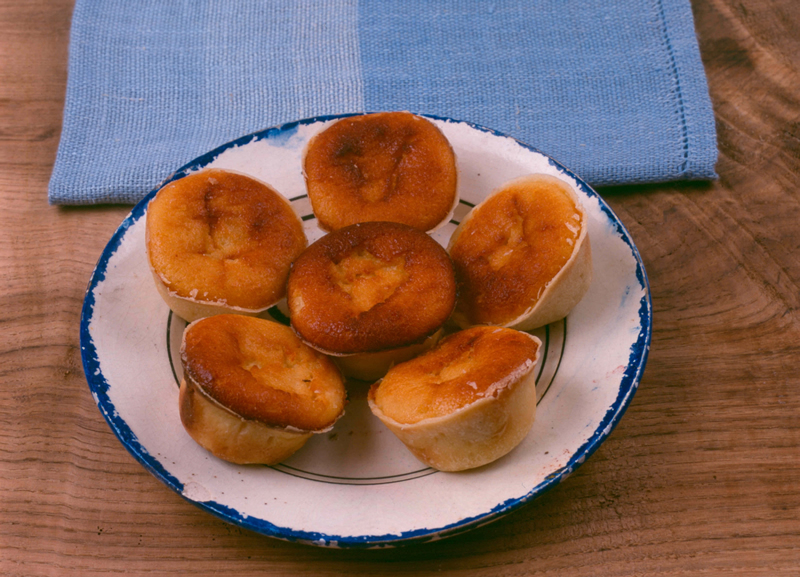
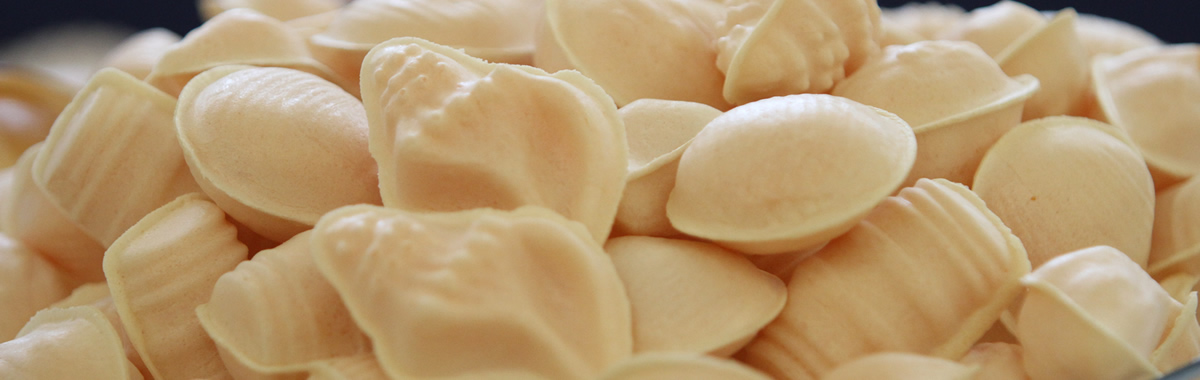
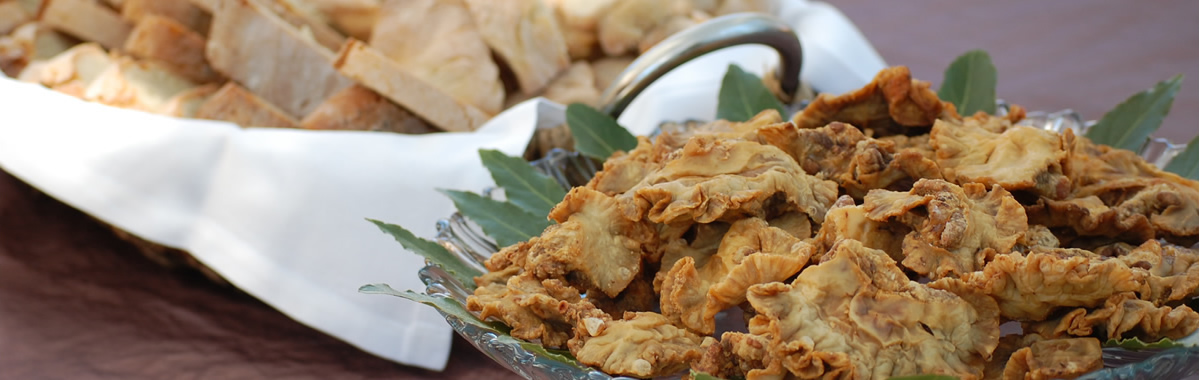
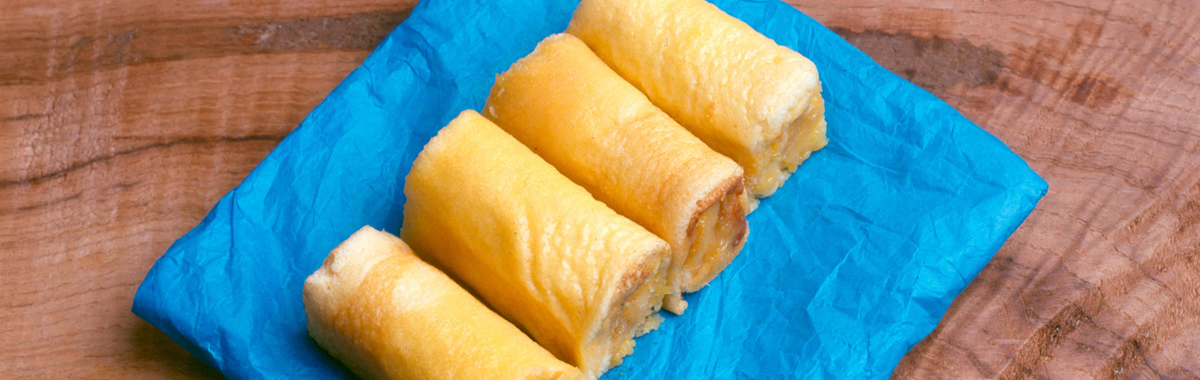
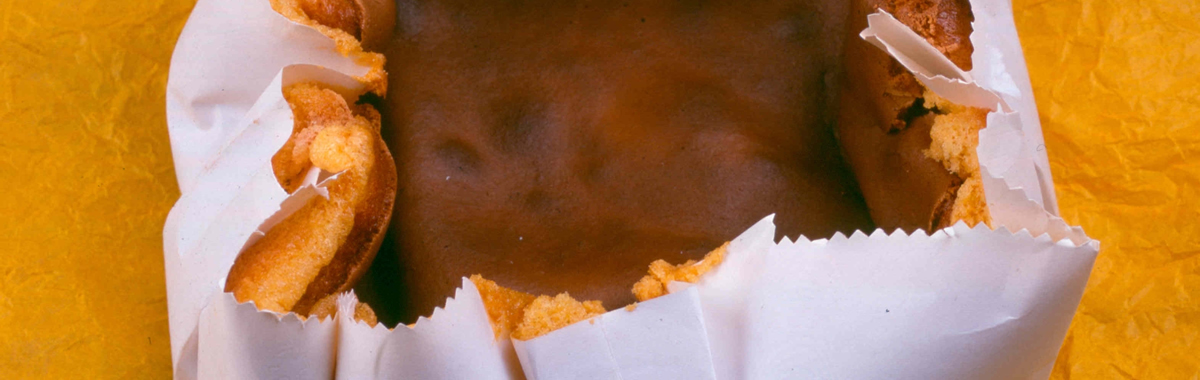
Description: Small cakes consisting of a box of very thin dough filled with a paste made with cottage cheese, sugar, eggs and butter. The weight is about 35 g.
Region: Alentejo.
Other denominations: Cerulha de Montemor.
Variants: Queijada de Montemor.
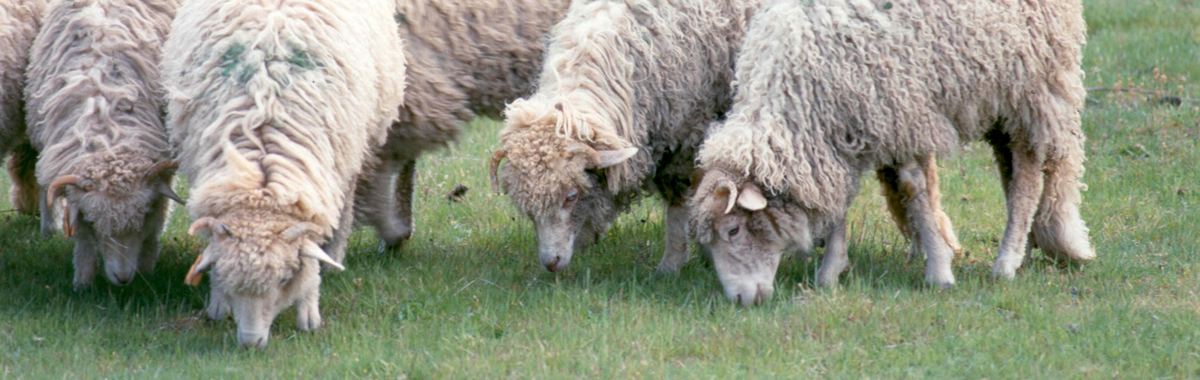
Particularity: Small molds of very thin dough, filled with a very sweet paste made from cottage cheese. The Queijada de Montemor variant is made with fresh sheep's cheese.
History: The real Alentejo queijada was originally made with fresh sheep's cheese (which only exists from January to July). About 35 years ago, a pastry chef from Montemor, named Sampaio, decided to change the recipe so that there was jam in all seasons, replacing sheep's cheese with cottage cheese that is kept refrigerated all year round. Initially the pastry chef called them Repimpões, a name that was replaced by Cernelhas at the suggestion of a very influential lady in the region, D.ª Isabel Branquinho, now deceased. The withers is a word that designates a special way of catching the bull (with only two pitchforks, one catching the bull from the side and the other by the tail). Hence some quatrains by Mrs. Maria Helena Bote: «Forcados de Montemor... / ... they are good at catching faces / And they are ex-cellent at withers... / But I confess and I do not deceive, / I do not even leave this truth; / Cernelhas all year round / Only in Sampaio's café.»
Use: Delicacy that is consumed as a dessert and in traditional cuisine restaurants.
Know-how: A dough is made with flour, fat, an egg and warm water seasoned with salt. This dough, to line the cakes, must be kneaded a lot to get the typical elasticity and texture. Roll it out with a rolling pin and cut slices with a diameter of 8 cm to line the molds. With the re-maining ingredients, a preparation is made with which the molds are filled. Bake in the oven.
Source: Produtos Tradicionais Portugueses, Lisboa, DGDR, 2001
