












 Português
  English (UK)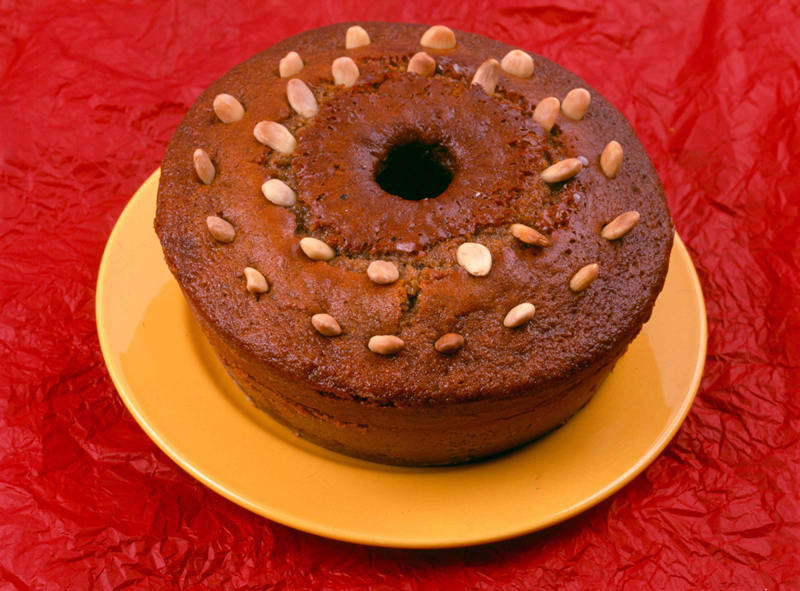
Description: Cake made with flour, honey, sugar, olive oil, eggs, brandy, cinnamon, orange peel and cloves (optional). Almonds for garnish.
Region: Alentejo.
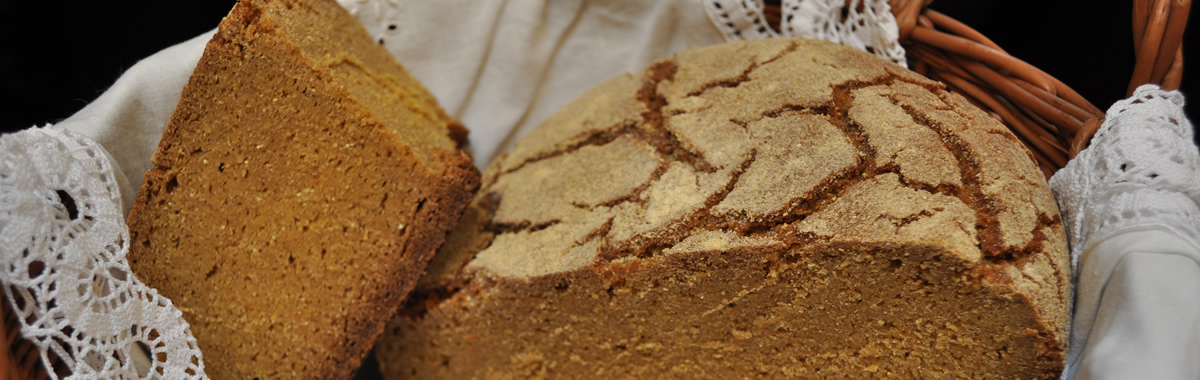
Particularity: Large, round, yellowish-brown cake, with a honey and olive oil flavor and with the surface usually decorated with almonds.
History: It is a cake that, despite being baked in a hot oven, requires an extended baking time. In the past, it was made with farinha de rolão (flour with bran) and baked in a wood oven after baking the bread (weekly). It is a cake that keeps for a long time in closed containers. Does this prolonged conservation time give rise to the designation of "rotten"? Like most cakes in Alentejo cuisine, it takes spices, cinnamon and eventually cloves. It is referenced as a recipe belonging to the Carmelite nuns of the Convent of Our Lady of Hope, founded in 1541. In the rich Convent of Santa Clara, this sweet was already manufactured, around the year 1825.
Use: As a treat, eaten by the slice at any time of the day and as a dessert.
Know-how: Beat the egg yolks with the sugar and then with the olive oil, honey, brandy, orange zest, flour, cinnamon and, finally, the beaten egg whites. It goes to the oven in the form of a can, preferably cut, well greased with olive oil so that the taste of the cake is not adulterated by the presence of other fat. You can decorate the surface of the cake batter with floured almonds so that they do not go to the bottom.
Source: Produtos Tradicionais Portugueses, Lisboa, DGDR, 2001
