


 Português
  English (UK)
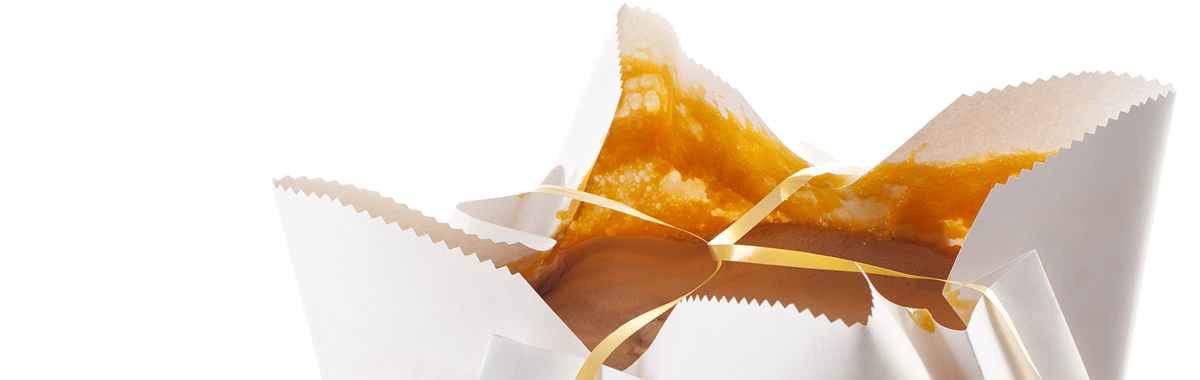
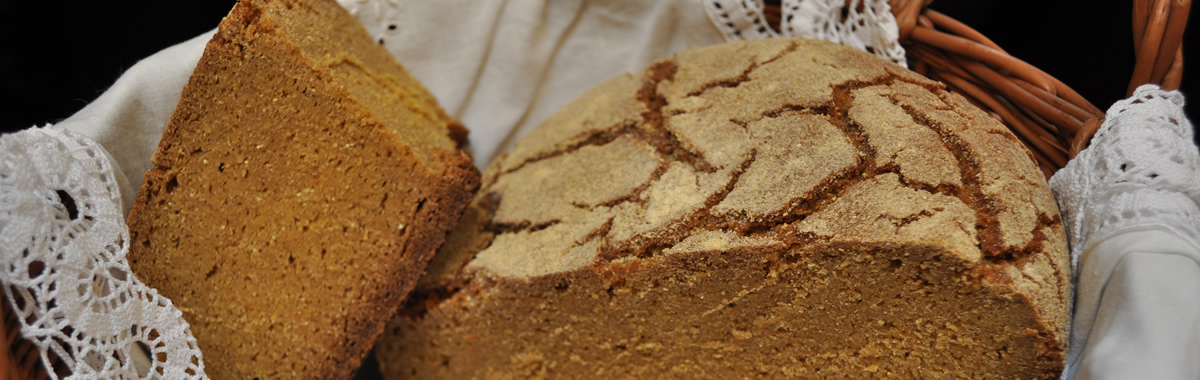
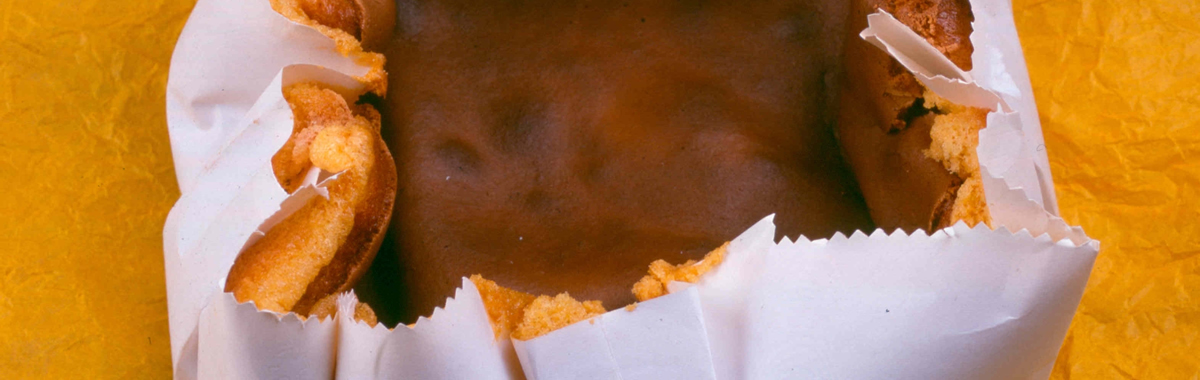
Description: It is presented in the form of a square (or rectangle) of brown, golden dough sprinkled with cinnamon. Made with wheat bread dough, sugar, olive oil, lard and cinnamon. Boleima Rica takes apple to pieces.
Region: Alentejo.
Variants: Boleima Vulgar (rich) and Boleima Pobre. In addition to these, there are also four types: Boleima do Marvão, Boleima com Maçã (attributed to Alpalhão), Boleima Folhada (attributed to Portalegre) and Boleima à Antiga (attributed to Castelo de Vide).
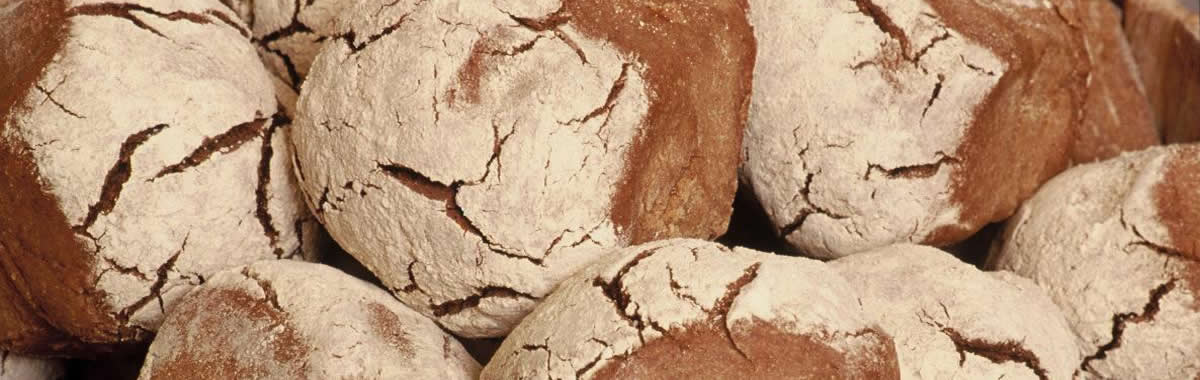
Special feature: Cake made without eggs, to use the leftover wheat bread dough obtained during the "kneading".
History: Alentejo pastry is very rich and varied and usually uses no-ble raw materials as it usually has conventual origin. This cake, however, which is simple to make and made with «modest» ingredients, certainly has a popular origin. In certain regions, a very similar cake is called 'bolo de fundo do alguidar' to mean that it is obtained from the scraps and remains of bread dough that adhere to the walls and bottom of the bowl when, after kneading and fermenting the dough, the loaves are tended.
Use: Consumed at breakfast and snack or during the day as a food supplement, especially in rural areas where artisanal bread is still made.
Know-how: Knead the pieces of bread dough with the fats, sugar and cinnamon until you get a pasty dough that is baked in the oven while baking the bread or immediately after, on greased trays with lard.
Source: Produtos Tradicionais Portugueses, Lisboa, DGDR, 2001
