



 Português
  English (UK)
Ingredients used: For the dough: 250 g of flour; 3 small yolks or 1 whole egg; 1 tablespoon of lard; 1 level tablespoon of butter; 1 dessert spoon of sugar; salt and water to taste.
For the filling: 2 liters of raw milk; rennet to taste; 6 egg yolks; 1 whole egg; 250 g of sugar; 2 tablespoons of butter; 1 level tablespoon of flour; powdered sugar to taste (English or powdered sugar).
Preparation: The filling is prepared the day before: the milk is slightly warmed and the rennet is added to it in the proportions indicated on the package. The container is smothered and, without moving, it is allowed to curdle. Remove the rennet into a cloth and squeeze the whey to come out in order to obtain a very dry mass. Knead this ren-net to become very thin.
Add the egg yolks, white, sugar, butter and flour; After being well mixed, cook this mixture over low heat only until it boils. Remove from the heat and after cooling a little, pass through a sieve or fine sieve. It will keep in the refrigerator.
The next day the dough is prepared: the indicated ingredients are kneaded with a little warm water in order to obtain a dough that can be extended. Wrap yourself in a napkin and let it rest.
With the rolling pin and a flour sprinkle, the very thin dough is rolled out.
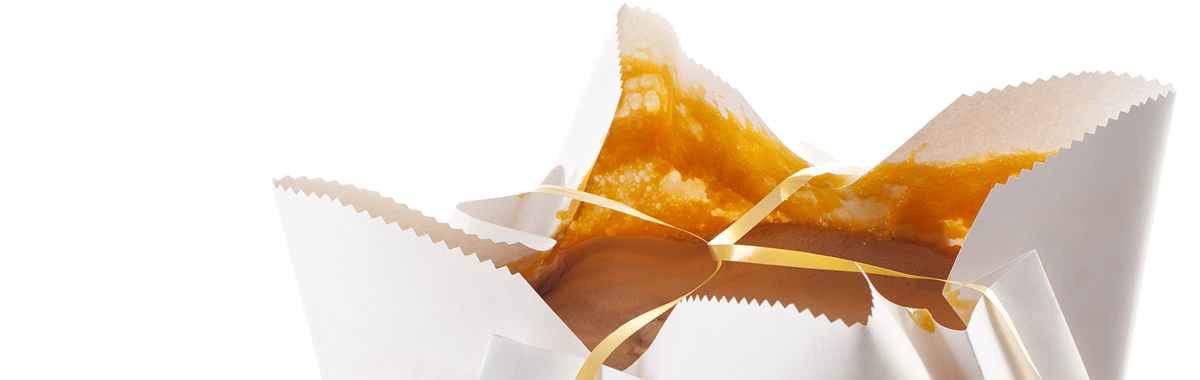
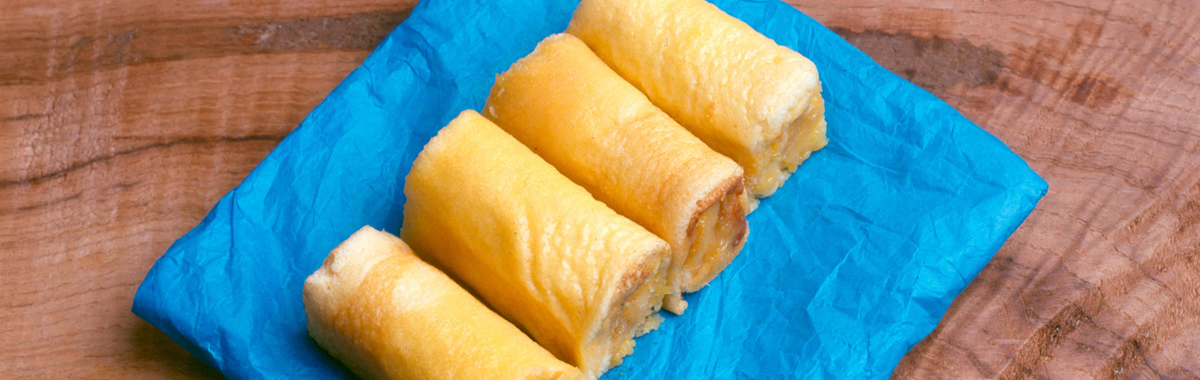
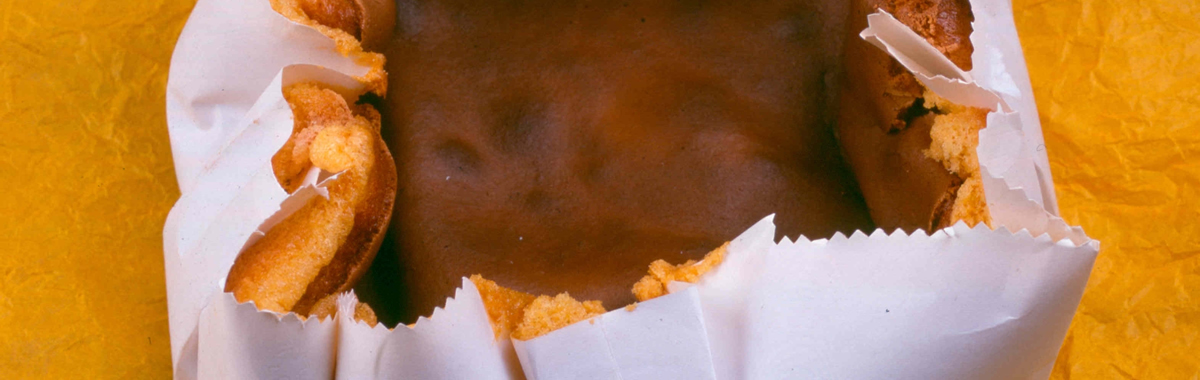
With a glass or a pastry cutter, the dough is cut into 12 cm diameter circles. As these circles are cut, they are left in the air on the table. Then, in the center of each circumference, a mound of the prepared filling is placed. Adjust this filling and with a wooden toothpick pull the dough upwards, leaning it against the filling and making a fluted box.
Around each queijada is placed a strip of parchment paper about 2 cm high and which will support the dough; The paper is attached with a pin.
Bake the queijadas in a medium oven and, after cooking, sprinkle the surface abundantly with powdered sugar.
Forms of commercialization: Genuinely, in any café or pastry shop in the village and in the others on the island. Without being a rule applicable in general, most of the island's catering facilities have it on offer for dessert.
Year-round product availability: Available year-round.
Product history: One of the most identifying gastronomic/cultural symbols, the queijada, is always, or almost always, in the vicinity of any convent or religious order. The derivation of Queijada da Vila, is linked to the manufacture of cheese and the cheesemakers who took the milk to the Convent of Santo André, from the First Rule of Santa Clara de Vila Franca do Campo. A situation that is not unrelat-ed to the fact that the village was at the time the capital of S. Miguel and could be in the line of exchange or religious diffusion of conven-tual recipes, which were allied to those of the cheesemakers. They have always made artisanal queijadas with rennet, after the almeice has been squeezed, adding cane honey, and later sugar, to the curd.
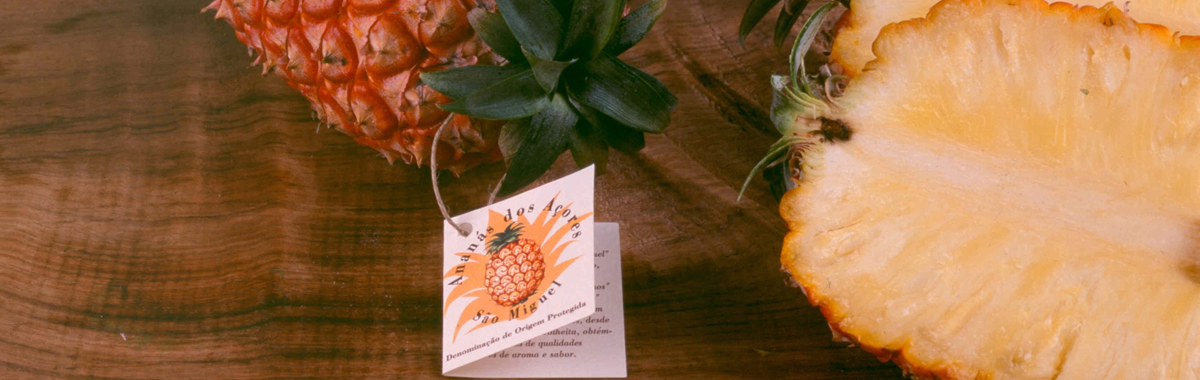
Queijada da Vila serves very well for dessert, especially if it pre-cedes a genuine pineapple from the Azores, or accompanies a good quality coffee. On sunny afternoons, they invite you to a warm tea in the Atlantic breeze.
