


 Português
  English (UK)
Definition of the geographical area of production: Terceira Island, Azores.
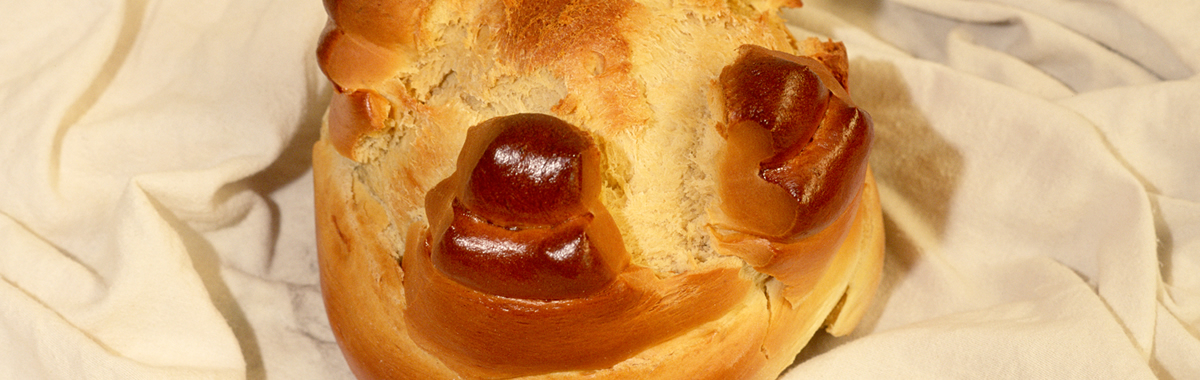
Ingredients used: For the yeast: 1 large sweet potato; 1 egg; 1 table-spoon sugar; 20 g baker's yeast, plus 125 g flour (approx.);
For the dough: 2 kg of wheat flour; 250 g of sugar; 1 tablespoon of cinnamon; 10 eggs; 400 g of butter; half a liter of milk; half a kilo of sugar; 1 teaspoon lemon zest; salt to taste.
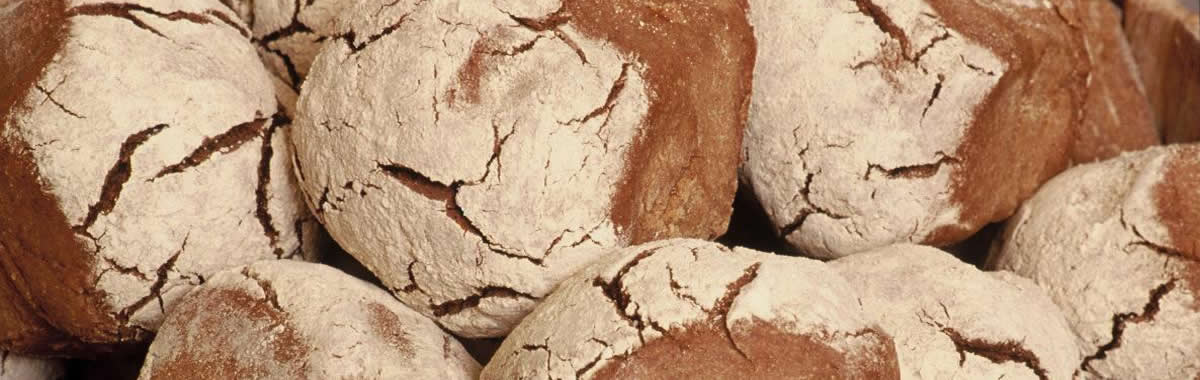
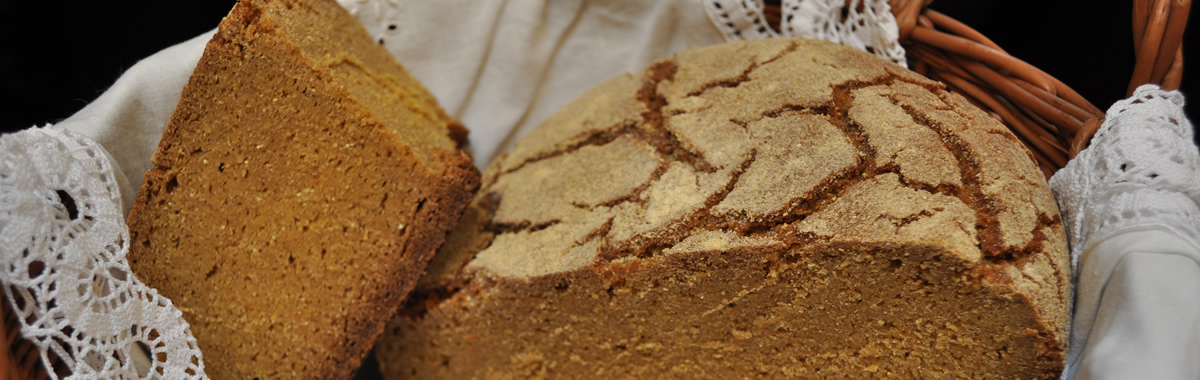
Method of preparation: The yeast is prepared the day before. Boil the potato with the skin on, peel it and reduce it to puree. To this pu-ree is added the beaten egg, sugar and yeast diluted in a little warm water (not hot). Enough wheat flour is added to obtain a dough of medium consistency. It is smothered and allowed to rise overnight. The next day, in the morning, sift the flour into a bowl along with the sugar and cinnamon. Make a hole in the middle and pour the eggs there, beating them without mixing them with the flour. Add the melted (but not boiled) butter, milk and lemon zest and continue to fold and finally the yeast dough. Knead everything until the dough bubbles and comes out of the bowl. Cover, smother and leave to rise for 10 minutes and start kneading the dough for another 30 minutes. Smother the dough in a warm place and let it rise, repeat the kneading operation once, remove the dough with the desired size for the cakes and arrange them in place or on a table, on a floured tablecloth; Sprinkle with flour and cover again with another towel, for about thirty minutes; Check the oven, brush the cakes with the beat-en eggs and bake in a hot oven at 180 ºC.
Know-how: Kneading the dough is the essential step for this recipe since by stretching the dough we make it easier to obtain gluten, which gives it texture and helps distribute the gases produced by the yeast.
Product history: It certainly started out as a sweet bread – or a milk bread.
Representativeness in local food: The massa sovada is one of those products that can be eaten at any time and in any way, in addition to accompanying the tea, it is also a guest of honor for the rump and for the table of the function of the Holy Spirit. Toast, without being too much, is an oblation to the Creator. If some Azorean sweets are more seasonal and festive, Massa Sovada maintains its presence all year round, because it has the main mission of accompany-ing the rump to the altar of Terceira gastronomy.
