



 Português
  English (UK)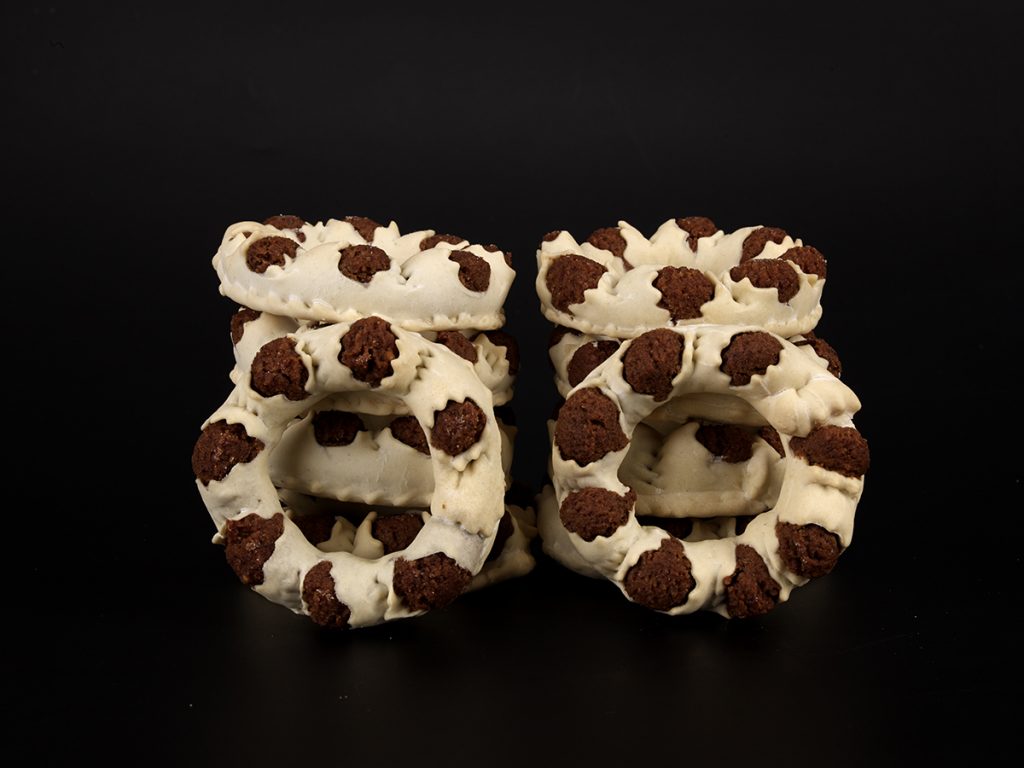
Definition of the geographical area of production: S. Jorge Island, Azores.
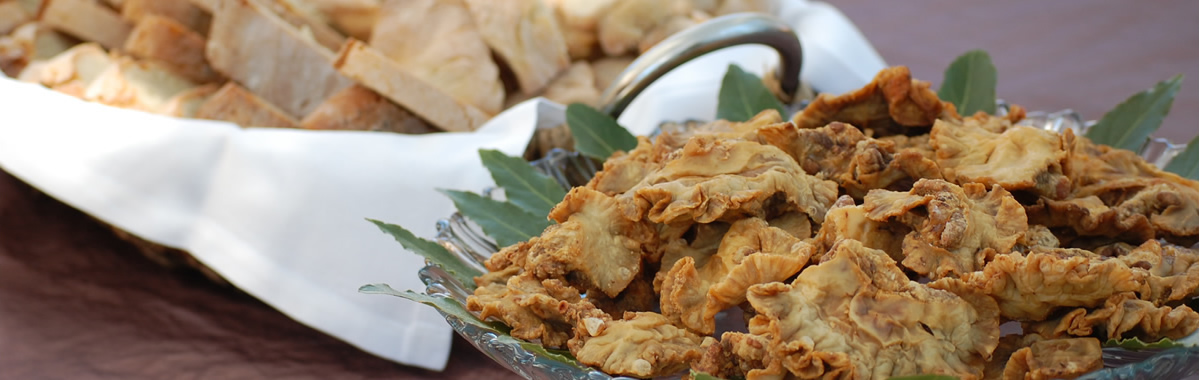
Ingredients used: 500 g of sugar; 250 g toasted bread; 25 g of cinnamon; 30 g ground fennel; half a teaspoon of allspice; zest of 1 to 2 lemons; 25 g of butter; tender dough.
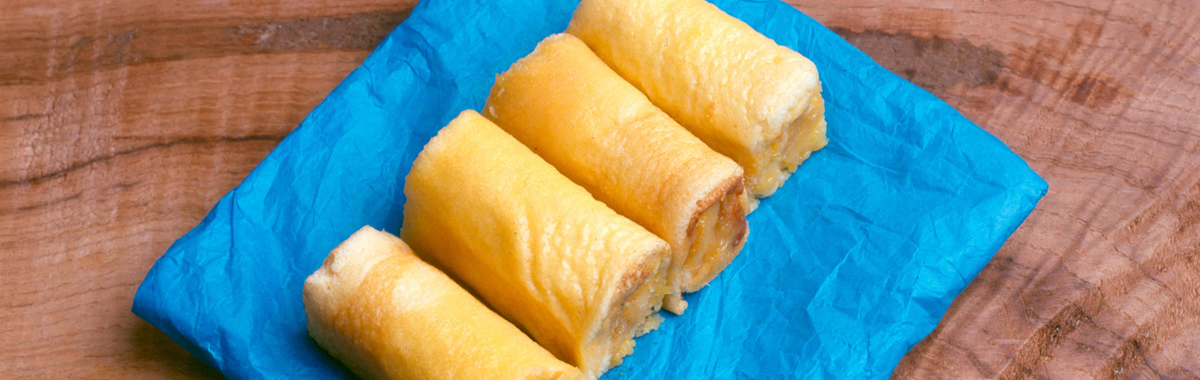
Preparation: Bring the sugar to the heat with 2 dl of water and let it boil until it becomes a thread. Add the breadcrumbs in the machine and the remaining ingredients. Stir everything and let it cook until the species is consistent. It is allowed to cool down overnight. Prepare the tender dough as they say for rice pastries (see recipe) and with a reel cut them into strips about 4 to 5 cm wide and as long as you want. The middle of the dough is marked in the longitudinal direction, and in one of these halves a few small horizontal strokes are made. On top of the entire pastry part a species roll is placed. This is covered with the cut part of the dough, obtaining a roll that closes by wetting the dough tips. With these rolls you can make rings, letters, half-moons, etc.
Product availability throughout the year: Always available.
Product history: It is one of the best known sweets on the island of S. Jorge, made from sugar, breadcrumbs and many spices, having a strong flavor and aroma and fennel (fennel). The traditional recipe, as far as we have been able to ascertain, does not escape the oral transmission, from generation to generation, which has reached our days. Made all over the island, from Rosais to the village of Topo, it is a "recipe" of the island, as the dragon is from S. Jorge, which is presented in all festivals, popular and family, as one of the most exotic sweets of the Azorean regional sweets, to the delight of visitors. Easy to prepare and due to the diversity of tastes, it is, like everything in gastronomy, a matter of this or that ingredient or the replacement of some by a product that is more common today, such as butter. Which does not take away the essential from the sweet. The dough, crispy, almost "broken", with no added sugar, gives an open contrast to the spices and an envelope of freshness to the anethole, clarifying the whole set, freeing it from the "weight" of sugar and breadcrumbs. The name "species" possibly derives from the spices that make up the sweet, of Jorge's origin. However, it is not to be ruled out the possibility of influences received from the Alentejo and Flanders in the centuries of settlement. Also treated as "animals", given their resemblance, during the making, with the caterpillar (silkworm) that has a colored cut on the back, to which someone will have resem-bled the sweet, we think...
Product availability (in extinction, continuous supply, recovery): In any pastry establishment, catering equipment and commercial surfaces, on the island of S. Jorge, it is an inevitable presence. Outside the island, they can be found in large shopping areas.
Source: Federação Portuguesa das Confrarias Gastronómicas
Image source: Centro Regional de Apoio ao Artesanato - Governo dos Açores
