


 Português
  English (UK)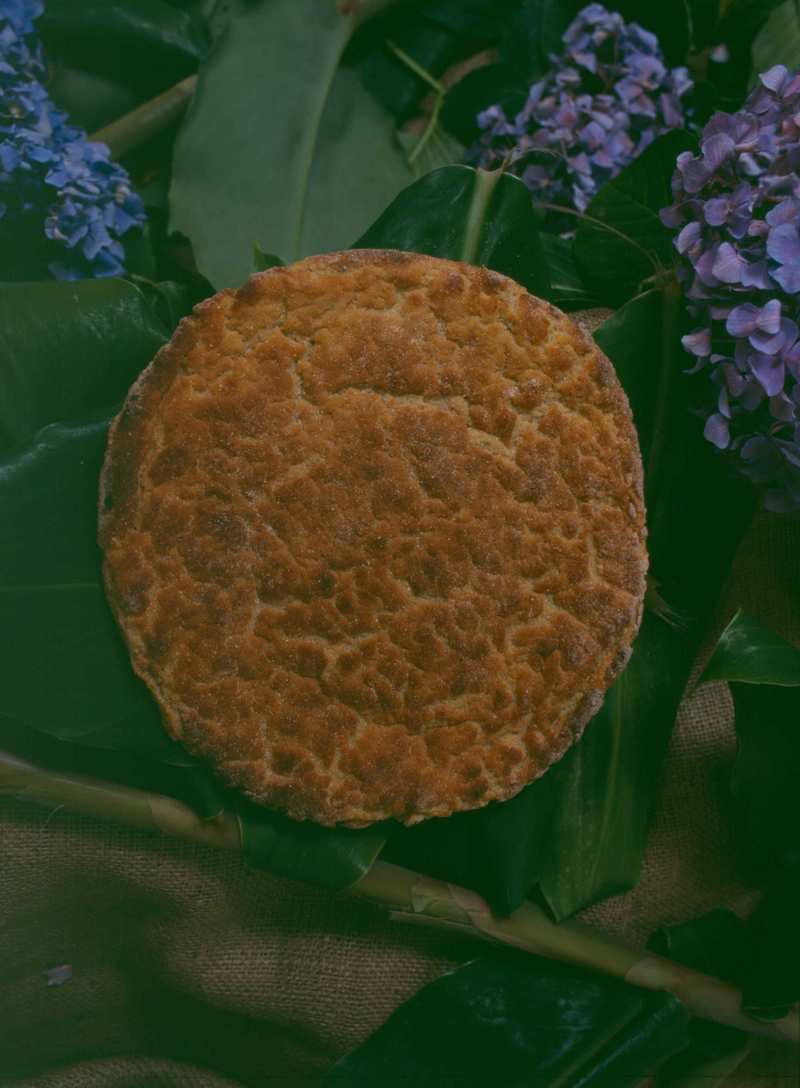
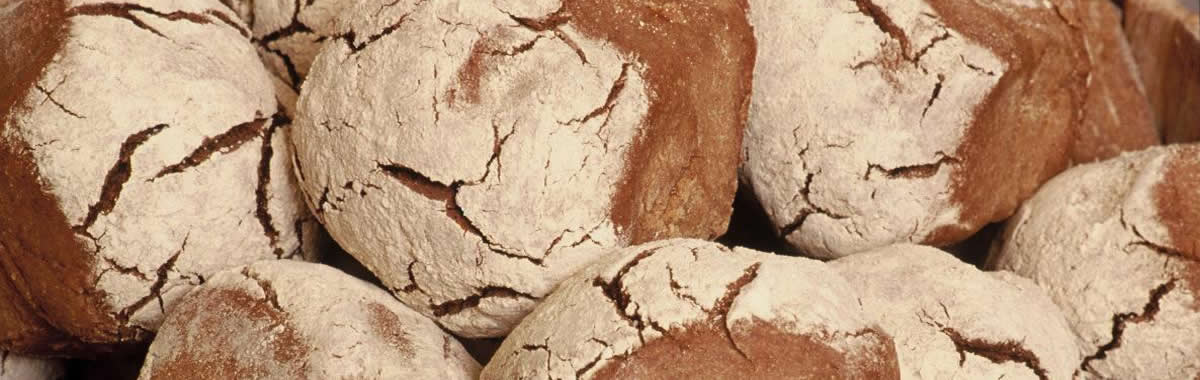
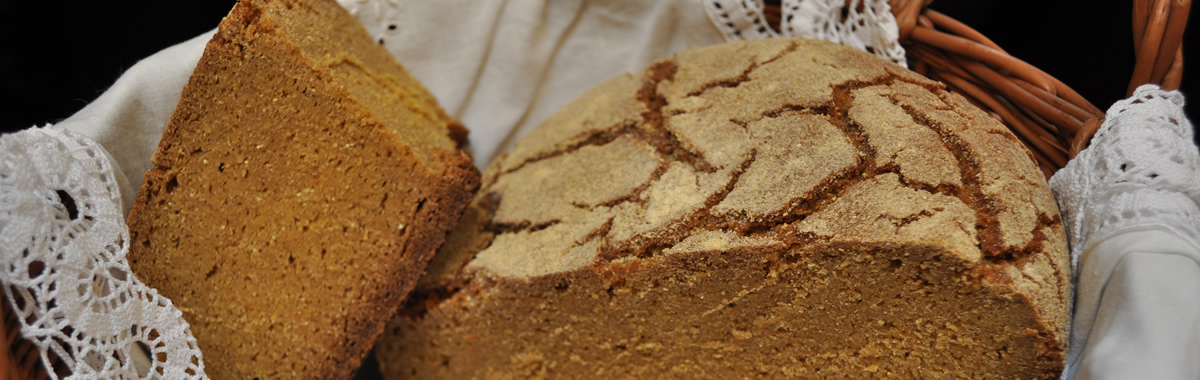
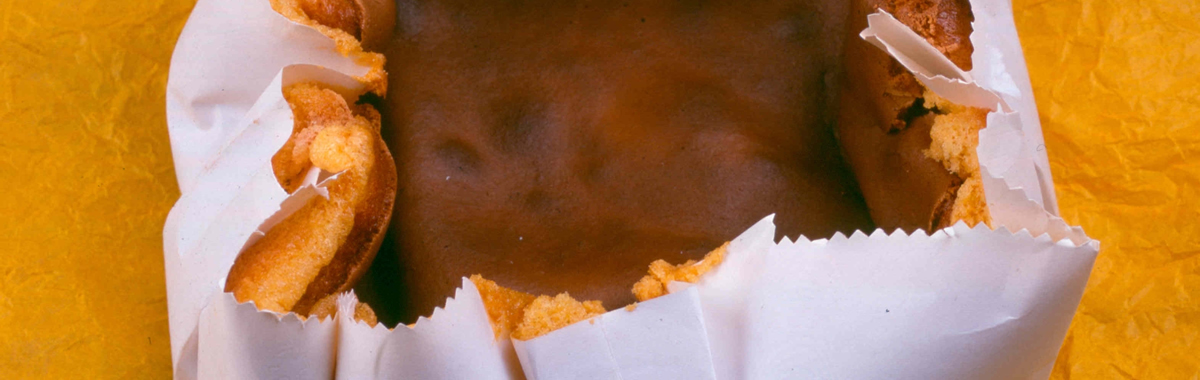
Description: The Bolo da sertã — traditional in S. Miguel, S. Jorge and Pico — is a kind of bread made with corn flour, without yeast and only with water and salt. It is about 25 cm in diameter and 3 cm high. In S. Miguel, the cakes are baked in the frying pan. The frying pan is a kind of frying pan or large disc of unglazed clay, cooked and with a border, manufactured in S. Miguel, in the potteries of Ribeira Grande and Vila Franca do Campo. This frying pan can be heated with any type of fuel.
Region: Autonomous Region of the Azores.
Other denominations: Slab cake.
Particularity: Round, flat bread, which is eaten hot.
History: According to Carreiro da Costa, the remote origin of the Bolo da sertã is Moorish, and its manufacturing system is similar to that of several areas of the continent and Madeira. The making of the Bolo da sertã is a very simple task, so it is considered as a minimum science for every girl who wants to get married. In an old song from the island of Terceira, quoted by Carreiro da Costa, it is said: «O Pico, rock so high, / Where the snow makes brick! / Girls, do you want to get married / And you don't know how to bake cake?"
Usage: These cakes should be eaten hot and accompany several dishes, but can be eaten only with butter. They are usually made when there is a lack of bread at home, in the days before cooking. It is, therefore, a type of bread that is somewhat improvised, since it is made when the "real" bread is gone. This practice also reveals the old 'nomadic' habits of certain populations.
Know-how: The dough for the cake is made with corn flour, very hot water, salt and a little wheat flour. After being scalded and kneaded, small balls are made that are spread over the sinew sprinkled with flour. Then the disc of dough is placed on the very hot frying pan or on simple heated stones, it is allowed to brown and turned. The pro-cess of making this cake varies from island to island. Thus, for ex-ample, as Leite de Vasconcelos points out, in Calheta and Piedade (S. Jorge and Pico) they bake a kind of bread called corn flour cake, without yeast and only with salt and water; they heat a movable slab in the courtyard, lighting a fire on top of it; then they clean it and place it on the tended dough. We have here a very primitive custom. In other lands of the archipelago they bake the cake in a heated round brick on a trivet with firewood.
Fonte: Produtos Tradicionais Portugueses, Lisboa, DGDR, 2001
