




 Português
  English (UK)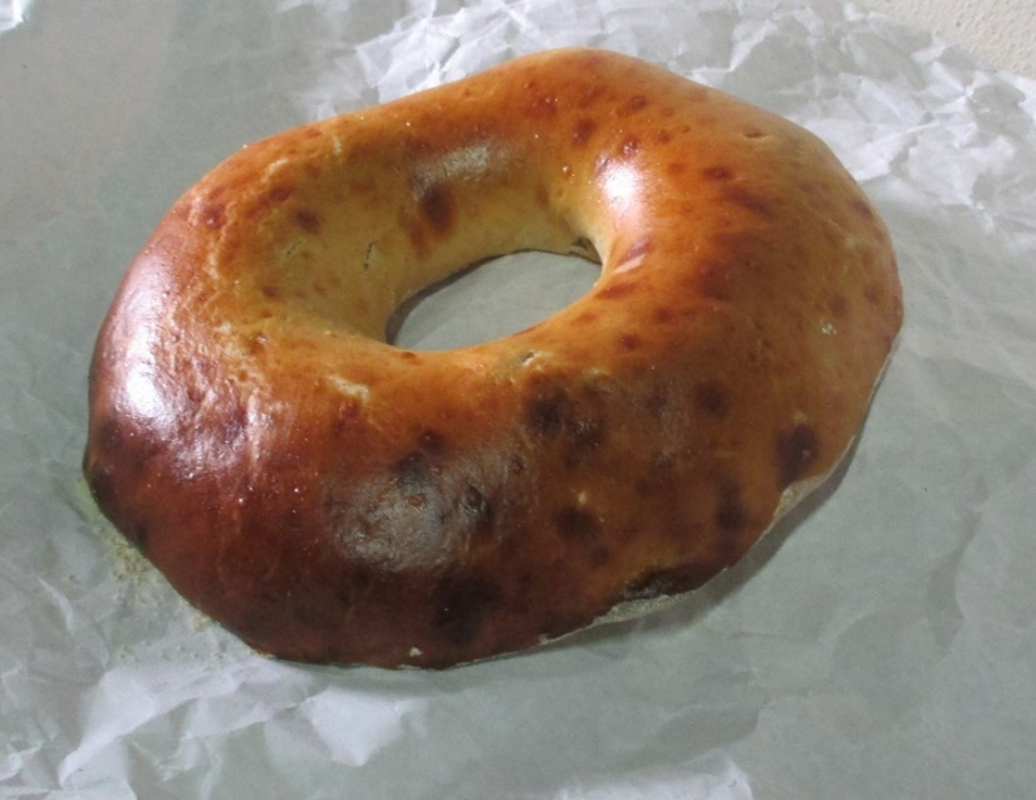
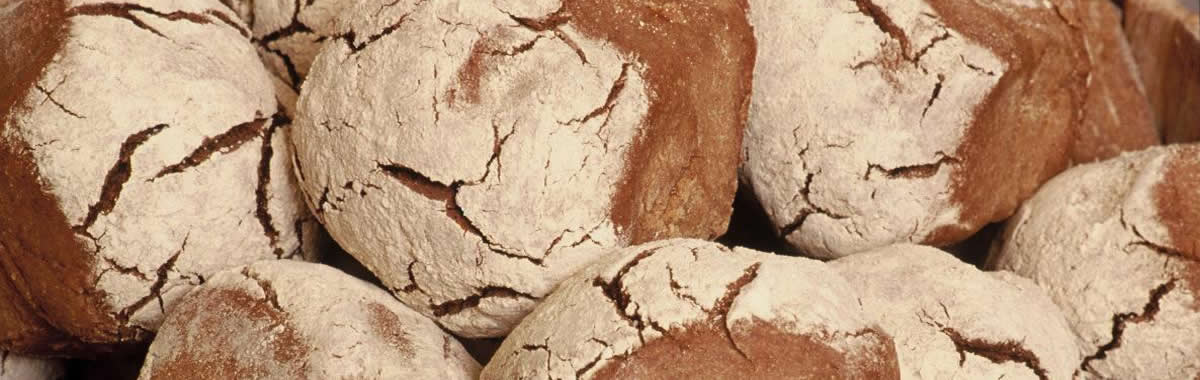
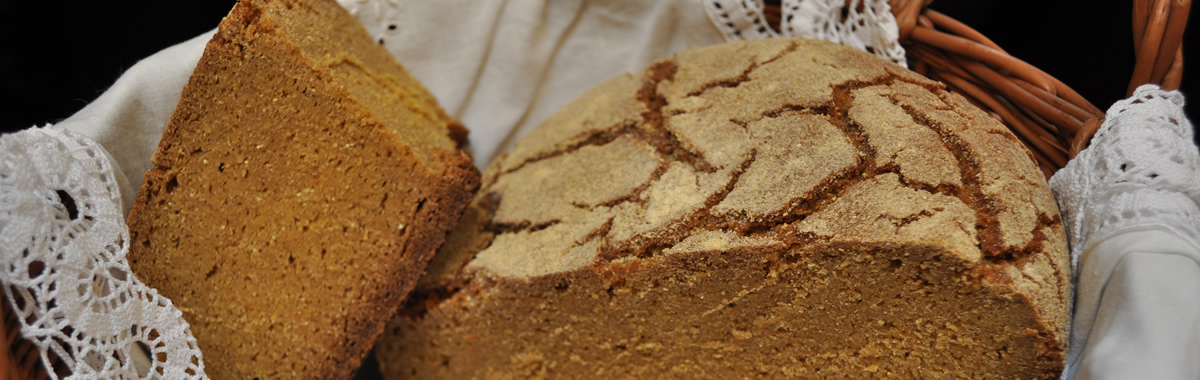
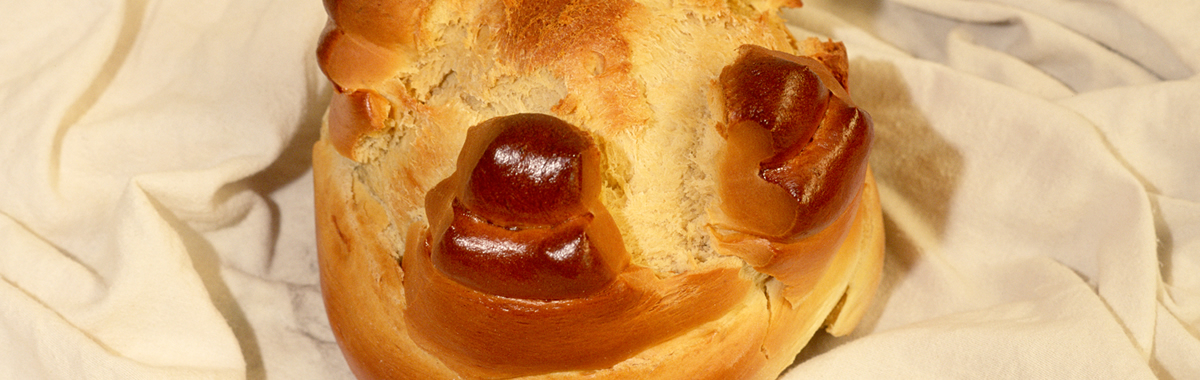
Description: The regueifa de Ul is a traditional, sweet bread, with a rounded shape, obtained manually through a ball molded until it has an opening roughly in the middle, with a soft crust and crumb with medium-sized alveoli. The entire process is carried out in a traditional way, with the regueifas being cooked in wood ovens.
It can be lightly dusted with sugar on the top side. Usually this happens only on special festive occasions (Christmas, Easter, popular festivals, etc.)
"Regueifinhas" can also be prepared, identical to the Regueifa de Ul, except for the proportionally reduced dimensions.
It can be lightly dusted with sugar on the top side. Usually this happens only on special festive occasions (Christmas, Easter, popular festivals, etc.)
"Regueifinhas" can also be prepared, identical to the Regueifa de Ul, except for the proportionally reduced dimensions.
Special Characteristics: The unique characteristics of Regueifa de Ul are essentially and combined with the production method, deeply rooted and traditionally used since ancient times, and the use of the wood oven, providing unique, differentiated and specific characteristics that are repeated over the centuries.
Production area: The geographical area of preparation of the Regueifa de Ul is limited to the parish of Ul, in the municipality of Oliveira de Azeméis, and to a 500-metre-wide strip that borders the bank of the Antuã River, in the parishes of Macinhata and Travanca, in the municipality of Oliveira de Azeméis. This delimitation takes into account the historical location of the wood ovens in Ul and in the area bordering the Antuã River.
History: Oliveira de Azeméis has rooted in its traditions and culture, the rivers, the water hoppers, the millers, and the bakers. It is in the parish of Ul and in the narrow strip that borders the bank of the Antuã River, in the parishes of Macinhata and Travanca that millers and bakers become accomplices not only in economic terms, but also socially, since marriage between millers and bakers has become common. In this land, the bakers produced and continue to produce the socalled "Pão de Ul", the "Regueifa de Ul" and the "Canoco de Ul".
Directly linked to the manufacture of bread or pada de Ul, the regueifa emerged as a complement to activity and an economical way to provide a "sweet bread" for the days of celebration.
Directly linked to the manufacture of bread or pada de Ul, the regueifa emerged as a complement to activity and an economical way to provide a "sweet bread" for the days of celebration.
Product specification (pdf)
Producer Group
Associação de Produtores de Pão de Ul – APPUL
Associação de Produtores de Pão de Ul – APPUL
Control and certification body
Control plan
