







 Português
  English (UK)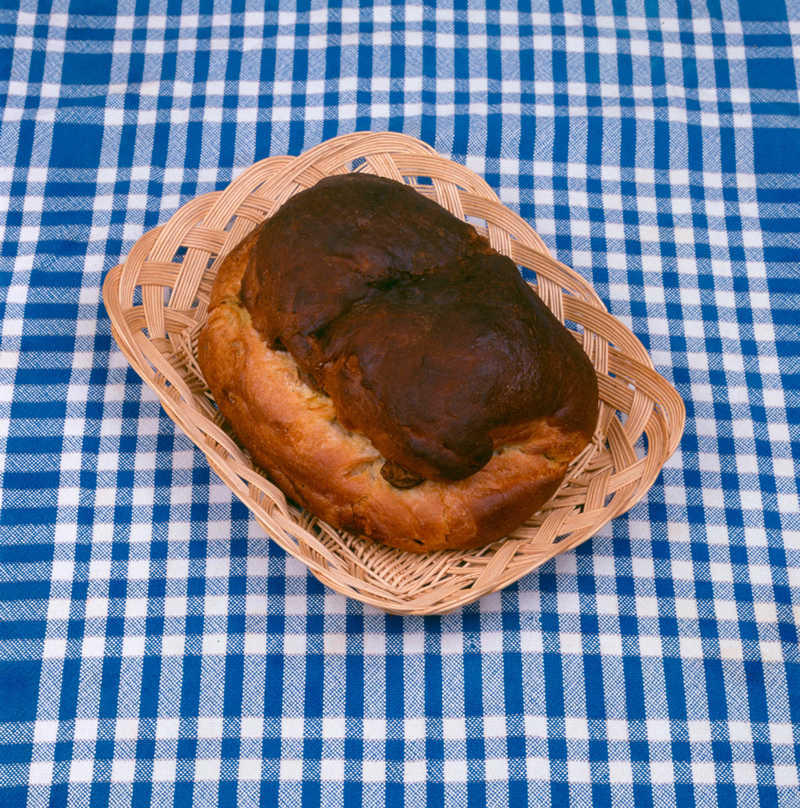
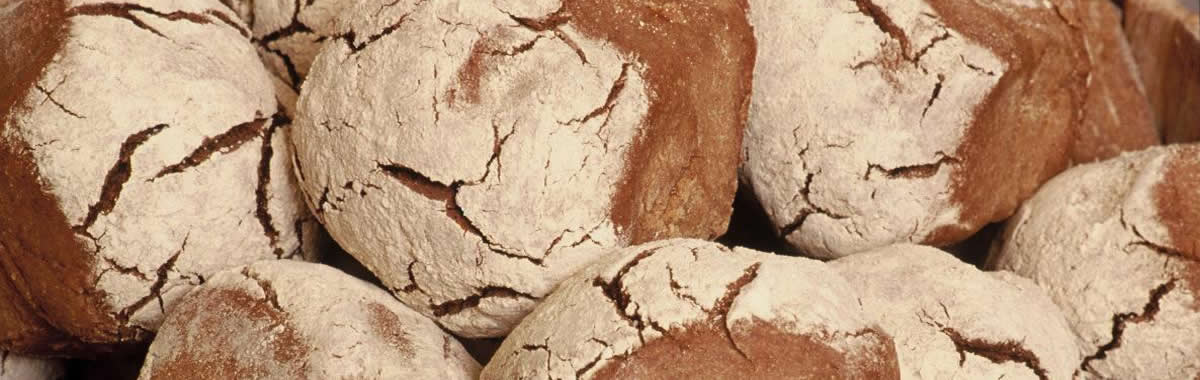
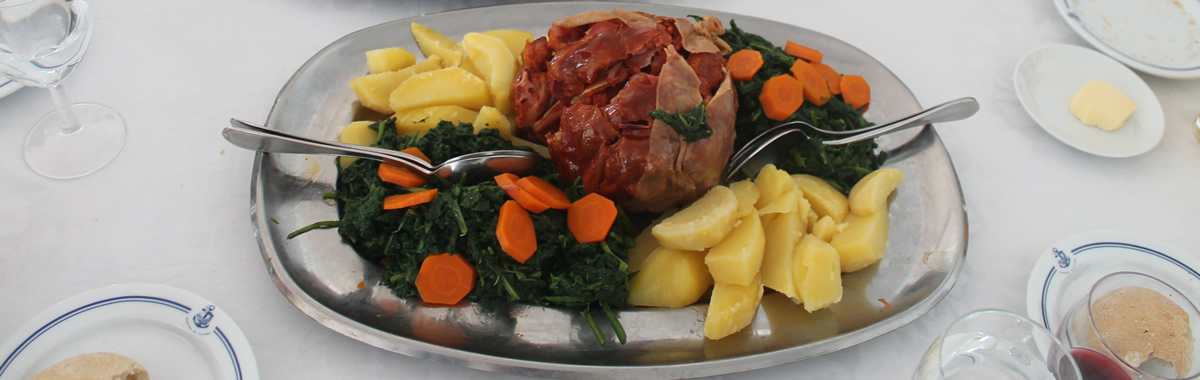
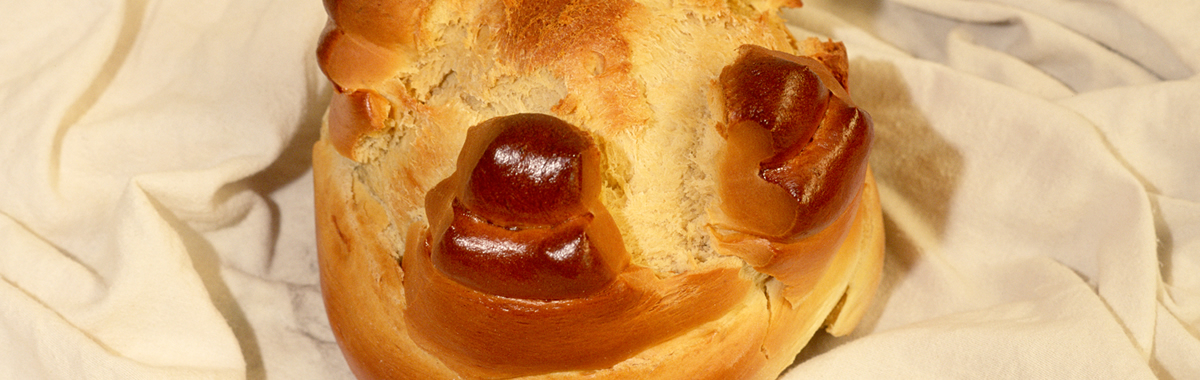
Description: Rectangular or round ball, consisting of flour, eggs, yeast, yeast dough, olive oil, butter, salt and water for kneading. Smoked pork consists of ham, sausage and bacon. It weighs, depending on the format or manufacturer, from 0,5 to 3 kg.
Region: North.
Other names: Folar de Valpaços. Bola de Carne Transmontana.
Special feature: Bread dough, enriched with eggs and olive oil, stuffed with pork. It is manufactured only at Easter.
History: It is believed that the confection of the folar originates from the fact that the New Christians (Jews who, at the end of the fifteenth century, accepted or pretended to accept the Christian religion, when they had to choose between baptism and death) had to appear to consume pork in order not to suffer religious persecution. Thus, the filling of these folars would initially consist only of poultry, rabbit and veal meat, seasoned in such a way as to resemble in taste and appearance the meat of pork, which was forbidden by the Hebrew religion. The fact is that this snack became, in a short time, a traditional delicacy of Trás-os-Montes.
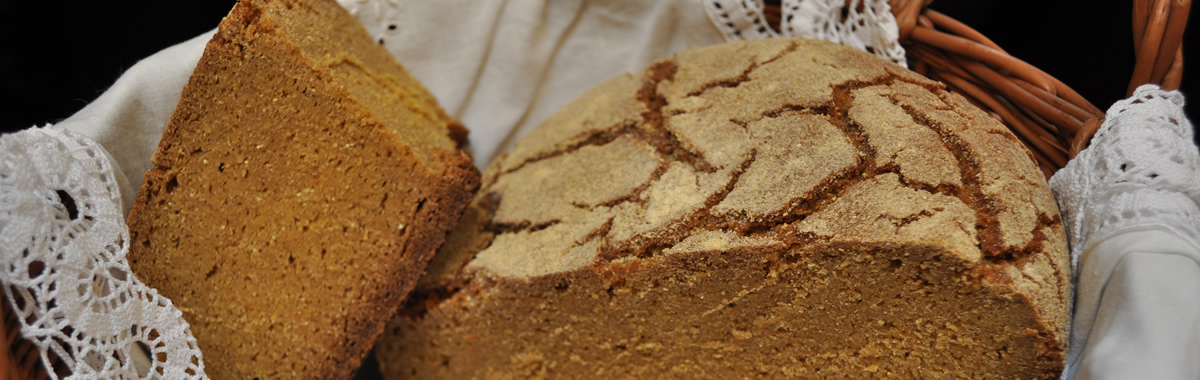
Use: Consumed at any time of the day, especially during the Easter season, it initially served as an offering from godparents to their godchildren. Bread has enormous significance in the Trás-os-Montes diet. To understand this, it is enough to quote the regional proverb "With bread and wine you can already walk". Even today the «ark of bread» has a high symbolic value in the rural areas of Trás-os-Montes.
Know-how: Cut the sausages into thin slices. The yeast is mixed with warm water, where the salt has dissolved. Beat the eggs very well, and must be previously "heated" at room temperature. In a kneader, the flour is placed and a hole in the middle is opened, in the shape of a volcano. In this "pit" the eggs and the yeast dough are poured, which mix very well with the hands. Then add the yeast, and continue mixing the ingredients. Knead very well, and add the olive oil and warm butter, continuing to beat. When well kneaded, it is left to rest until it rises, muffled with wool blankets. When leavened, the dough is tended with the hands and placed on a greased tray, to alternate layers of dough and meat, the last layer being dough. Rise in the pan until it is full. It will be in the oven for about 1 hour. It's ready when it takes off from the form.
Source: Produtos Tradicionais Portugueses, Lisboa, DGDR, 2001
