




 Português
  English (UK)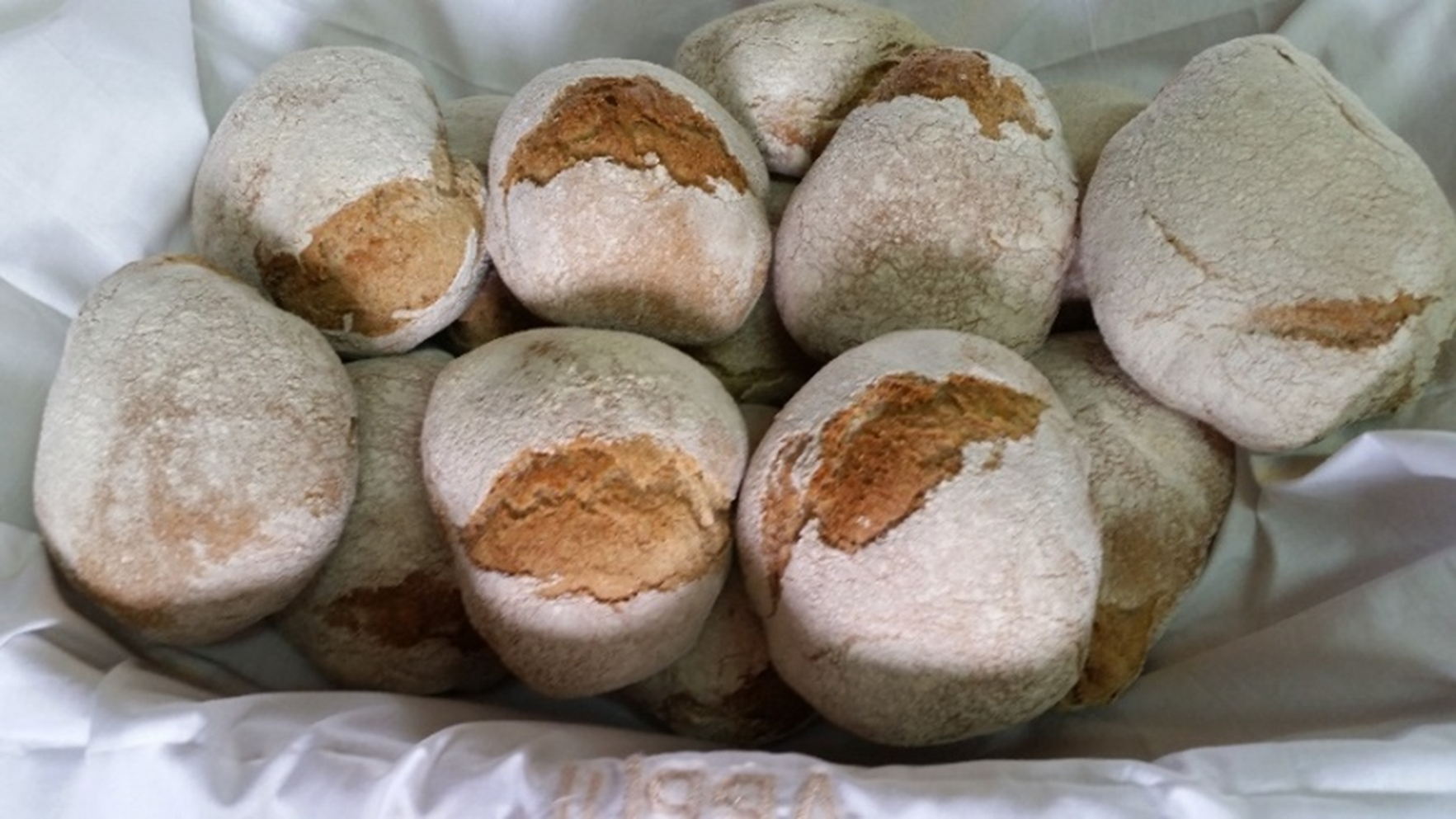
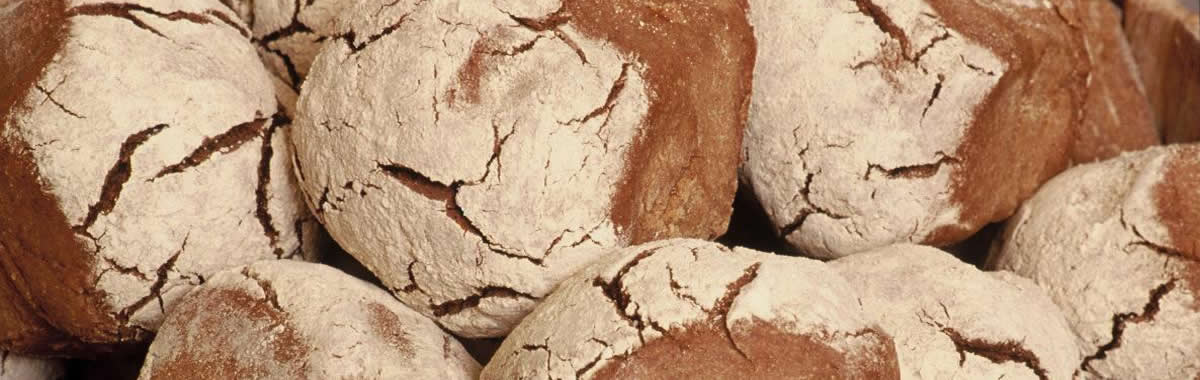
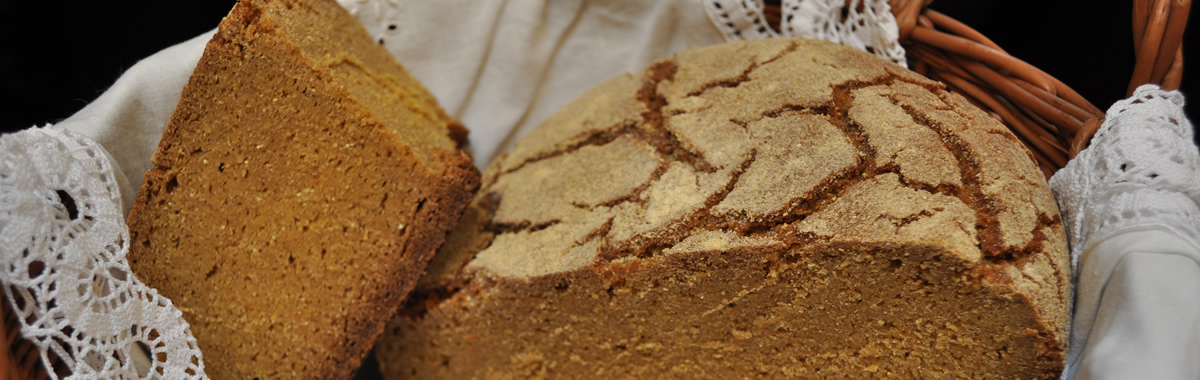
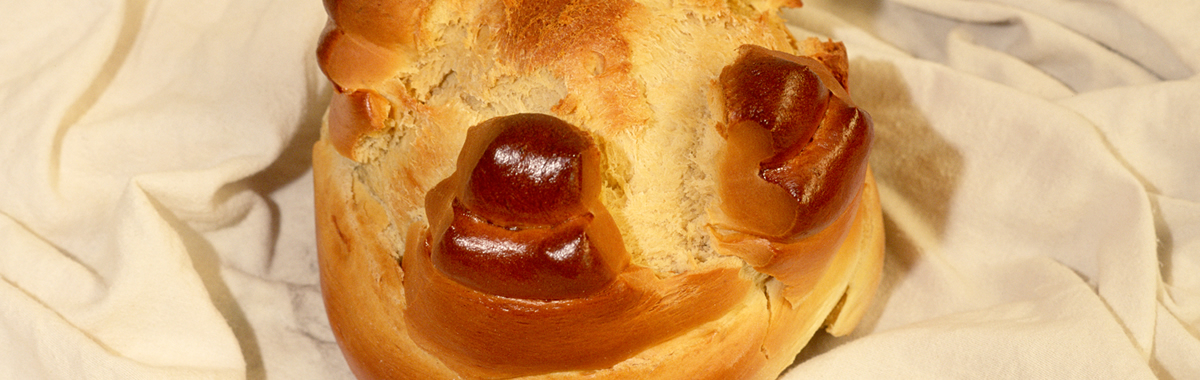
Description: The "canoco de Ul" is a traditional wheat bread, produced with wheat flour type 80 (bran and wheat roll), with an oval shape, with a flat base, sometimes with a chamfer on the soft crust and a crumb with small alveoli. The crust is firm, a little harder than the interior and medium roughness and the core is crisp-white, soft and firm, with small cells, distributed homogeneously. Ul's canoco is a well-baked, dull, lightly floured, toasted-white color, darker, if well cooked. It has a pleasant odor, like cereal bread and a pleasant taste, not very salty and moderately bitter. UL canoco retains these sensory characteristics for 8 to 12 hours after cooking, but may be consumed beyond this period.
Special Characteristics: The unique characteristics of the Ul canoco are essentially and combined: To the method of production, deeply rooted and traditionally used since ancient times, to the use of the wood oven, providing unique, differentiated and specific characteristics that are repeated over the centuries, and to the location of the production facilities, in the vicinity and banks of a watercourse.
Production area: The geographical area for the preparation of Canoco de Ul is limited to the parish of Ul, in the municipality of Oliveira de Azeméis, and to a 500-metre-wide strip that borders the bank of the Antuã River, in the parishes of Macin-hata and Travanca, in the municipality of Oliveira de Azeméis. This delimitation takes into account the historical location of the wood ovens in UL and in the area bordering the Antuã River.
History: Oliveira de Azeméis has rooted in its traditions and culture, the rivers, the water hoppers, the millers, and the bakers. It is in the parish of Ul and in the narrow strip that borders the bank of the Antuã River, in the parishes of Macinhata and Travanca that millers and bakers become accomplices not only in economic terms, but also socially, since marriage between millers and bakers has become common.
In this land, the bakers produced and continue to produce the socalled "Pão de Ul", the "Regueifa de Ul" and the "Canoco de Ul", the latter being initially the bread for the family and not for sale, since the "leftovers" from the flour sieving were made with the use.
The confection of these products results, as mentioned above, from an ancestral tradition, generally inherited from mothers to daughters, being an activity reserved almost exclusively for women, in a close relationship with other domestic tasks, namely, the preparation of meals. This fact may justify the preservation of this tradition, especially in the generation of women over the age of sixty, who have been preserved in the domestic space, acquiring the knowledge transmitted by their mothers.
Product specification (pdf)
Control and Certification Body
Control plan
Publications in the Official Journal of the EU
Publication in DR
