







 Português
  English (UK)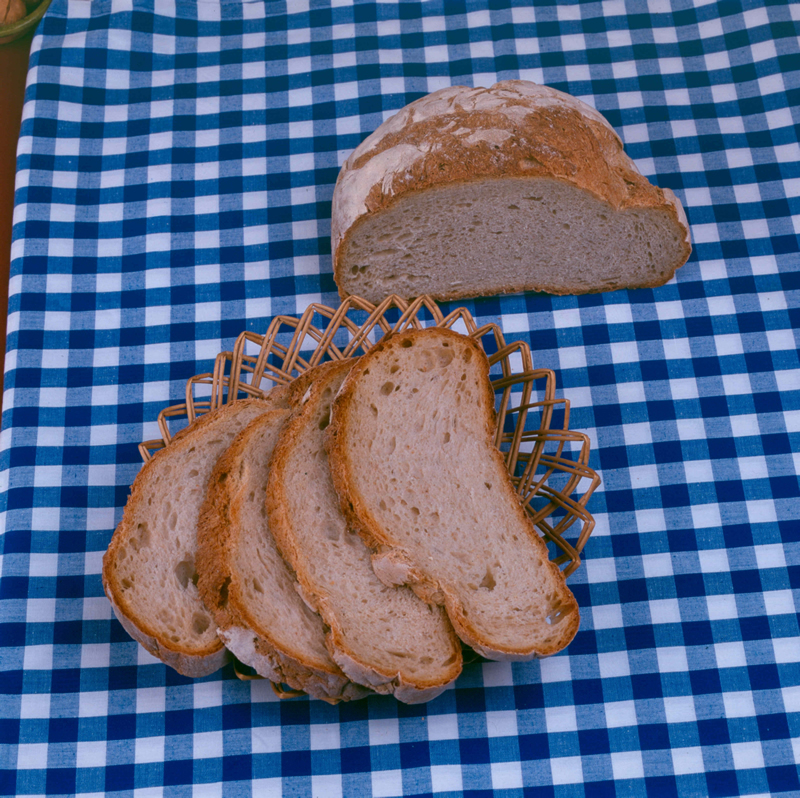
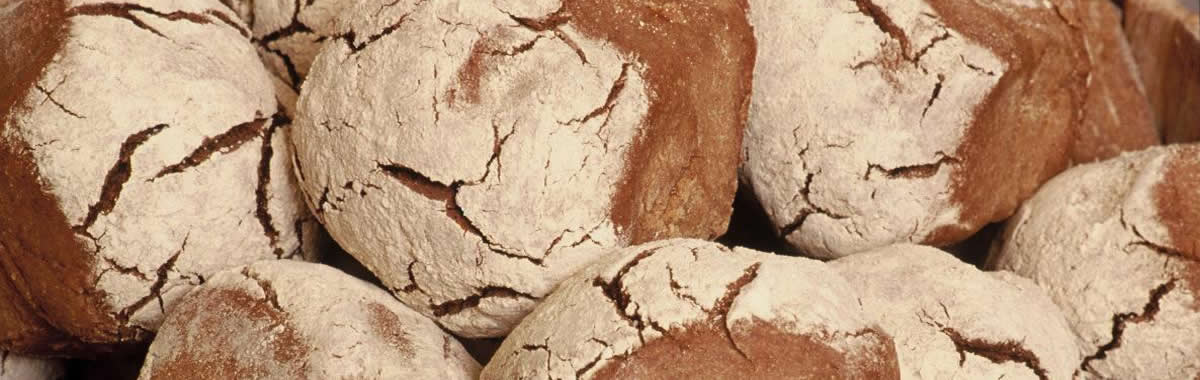
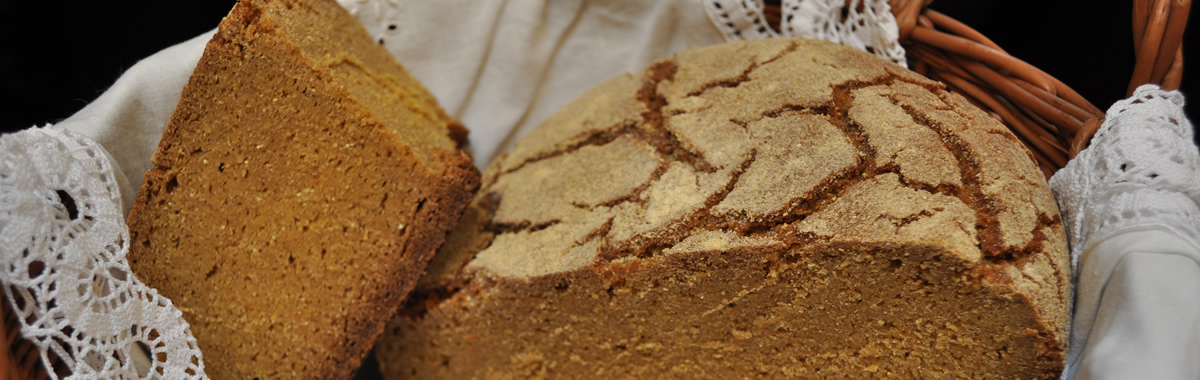
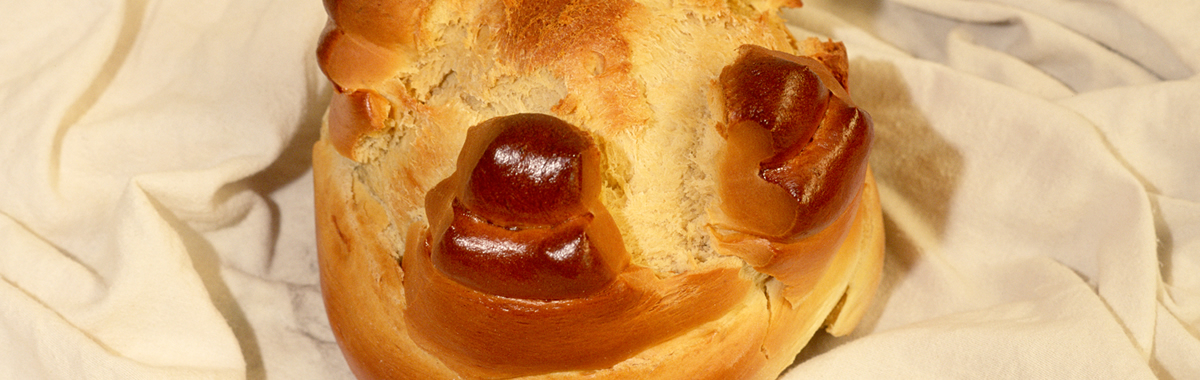
Description: Bread made from rye flour, with salt and baker's yeast. Its inner appearance is dry and porous. It comes in three sizes: small, 10 to 12 cm in diameter and 400 g in weight; medium, with 13 to 15 cm in diameter and 800g in weight; and large, with 16 to 18 cm in diameter and 1200 g in weight.
Region: Center.
Special feature: Bread with a circular and convex shape, with a rela-tively crispy and cracked crust. It is externally floured and dark in color on the inside.
History: Rye bread was, over time, a staple food of the people of the district of Guarda. To demonstrate this, it can be transcribed from the book Memórias do Concelho do Sabugal: «... In all parishes there is the people's oven where the neighbors bake their bread. Each neighbor has an obligation to "disembark" the oven, that is, to heat or set it on fire when it belongs to him... All the daughters of farmers know how to knead and tend bread, prepare the oven, or at least direct those who heat it and put the bread in, turn it over and take it out after it has been baked... The bread goes into the oven in wide and strong trays, made of chestnut, which are bought in the markets, wrapped in coarse linen panais, burlap... each loaf usually weighs five or six arrátiles and each batch of many bushels of rye, which is enough for eight days». Also significant is the use and custom that still persists in certain villages of the district of Guarda, which translates into alms of baked bread in funeral ceremonies.
Use: As a food, especially of a regional nature, as it must be consumed before 48 hours after its production.
Know-how: Mix the flour with the salt and the broken yeast and knead with water until a more or less homogeneous paste is obtained. The room where it is kneaded is more or less heated. Cover the kneading machine with white cloths and blankets for the dough to rise. Balls of about 1 kg are floured, placed on a tray to rest for a while and baked in a wood oven. The oven temperature has an influence on the final appearance of the product.
Source: Produtos Tradicionais Portugueses, Lisboa, DGDR, 2001
