




 Português
  English (UK)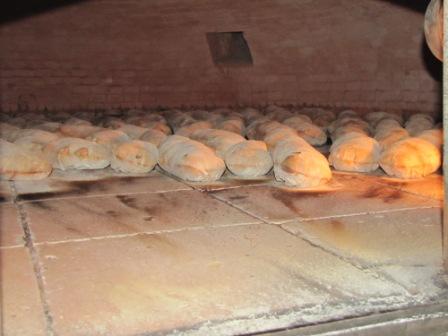
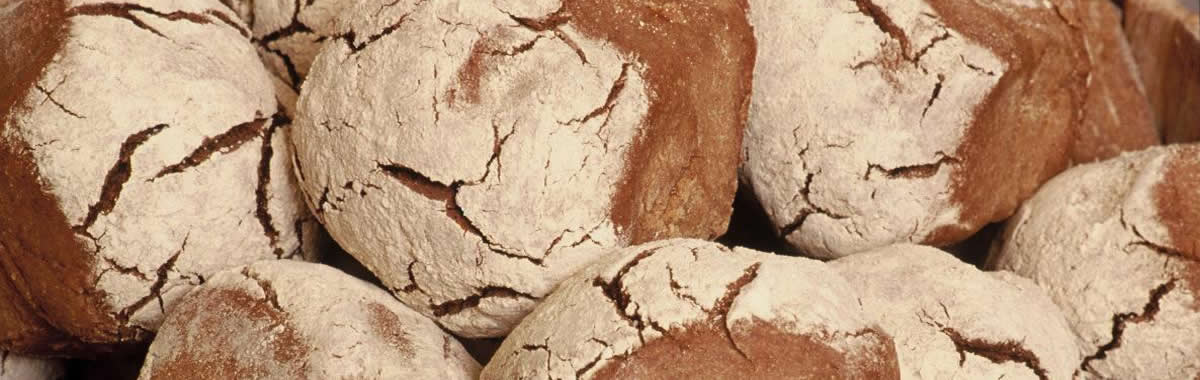
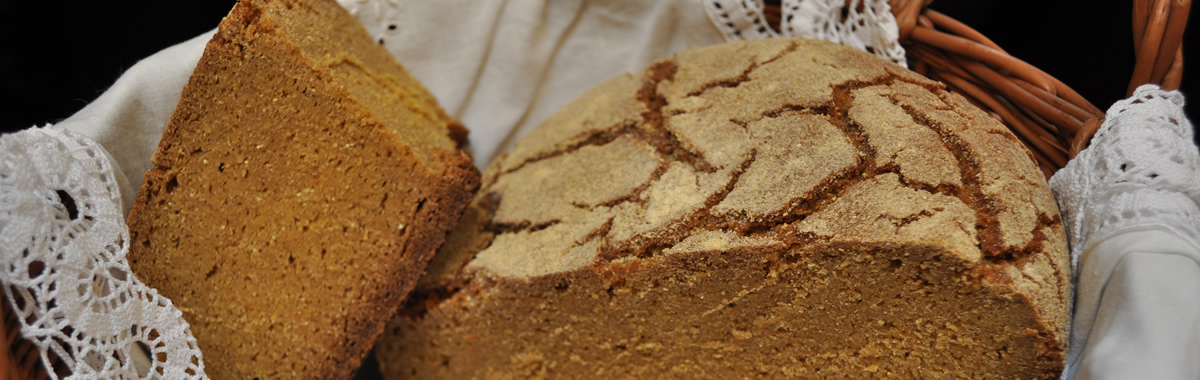
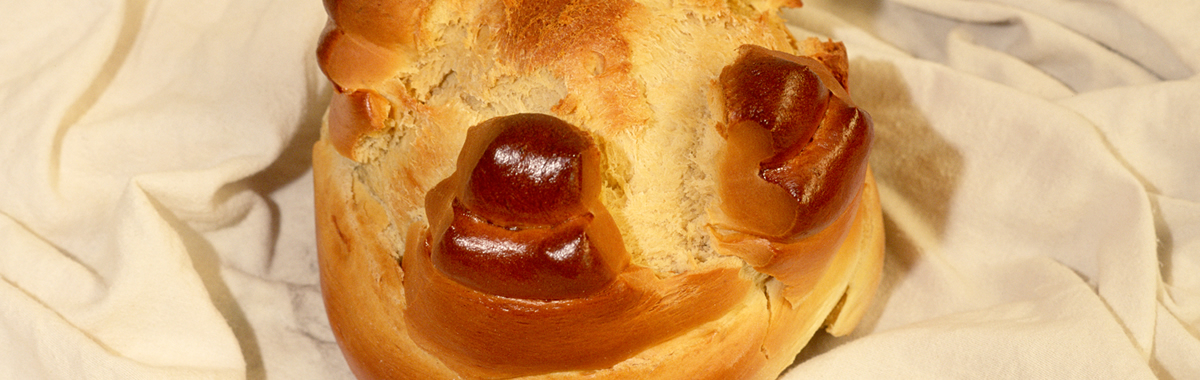
Description: Pão de Mafra, in its physical characterization, is a bread with a soft texture to the touch, both in the crust and inside. Usually, the kernel has little density and may have large holes or alveoli due to the type of fermentation. This bread can be marketed in the form of round, long or polka dot bread. In the chemical characterization, one of the differentiating characteristics of this bread is its large amount of relative humidity, which can vary between 32% and 40% and a consequent low acidity content, which gives it specific organoleptic characteristics such as smell and taste.
Special characteristics: Bread with unique characteristics, namely a soft texture to the touch, both in the crust and inside, with a not very dense crumb and that may have large holes or alveoli, having a high relative humidity and a low acidity content.
Delimitation of the geographical area of production: Municipality of Mafra.
Connection to the natural landscape: The relationship of "Pão de Mafra" with the Municipality of Mafra, originates mainly from its historical and commercial reputation reinforced throughout the twenti-eth century, by the populations of the large cities that gave preference to this bread, differentiating it and recognizing it by its geographical origin. However, there are also some specific factors of the product that are due to its origin.
Product history: The manufacture of Pão de Mafra, until the second half of the twentieth century, remained a primarily domestic and artisanal activity made by women in their homes, initially with cereals from the region, which gave it an intense and distinctive flavor, a little salty even, due to the proximity of the sea and strong winds. In addi-tion to cultivation, the milling itself was done in the numerous windmills and stone millstones that still populate the landscape of the municipality of Mafra today.
The sale of this bread, originally called saloio, was already known on the streets of Lisbon since the Middle Ages, as one of the origins of the name "saloio" comes from a tax that the "Moors" who lived in the vicinity of Lisbon paid to sell their bread in the city, according to the author Gentil Marques in his work "The bread, the bakers and the bakers". This saloio bread contrasted in its physical property with the French type bread, which came from finer flours produced in the capital's bakeries.
However, it was only in the middle of the last century that Pão de Mafra managed to differentiate itself from pão saloio with its own and distinct characteristics. This distinction was initially made by the merchants of Lisbon who came to the municipality of Mafra to stock up on vegetables and also always took some bread. This bread was made in a homemade and fast way, being softer and sweeter, because it had more water and less yeast, it was more appreciated than saloio bread, it began to gain reputation and to be called with the name of its origin, Mafra. In order to prove this distinction, in 2008, a scientific study was carried out by Patrícia Silva Ribeiro, from the Instituto Superior de Agronomia, where several breads from the municipality of Mafra and the surrounding areas were analyzed, reaching the conclusion that there is a differentiation between samples from the neighboring regions in relation to those from the mu-nicipality of Mafra, namely in the fermented flavor and in the activity of the water.
Product availability: All year round.
Source: Associação do Comércio, Indústria e Serviços do Concelho de Mafra (ACISM)
