





 Português
  English (UK)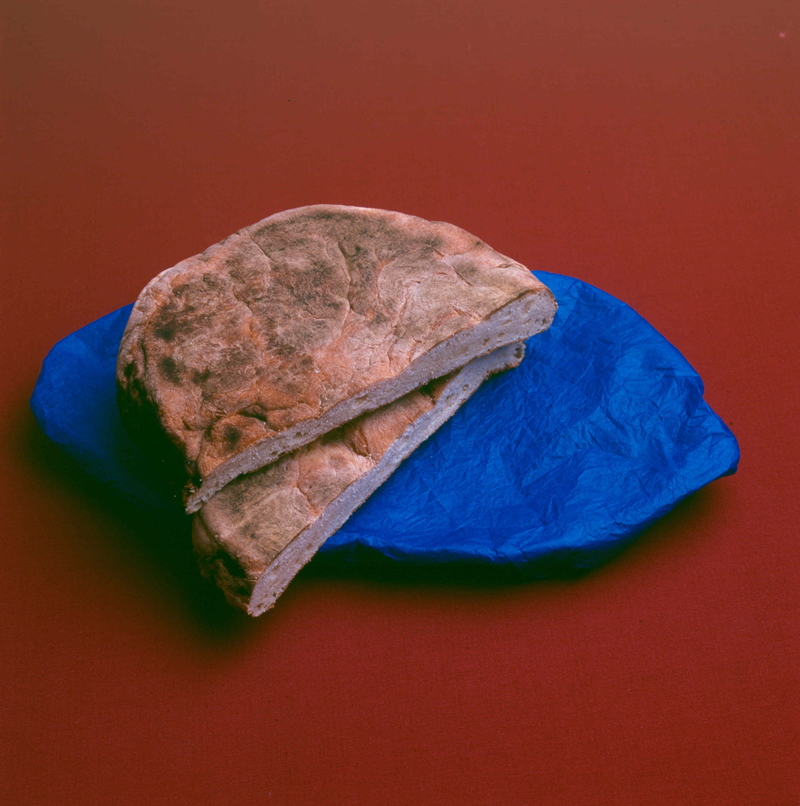
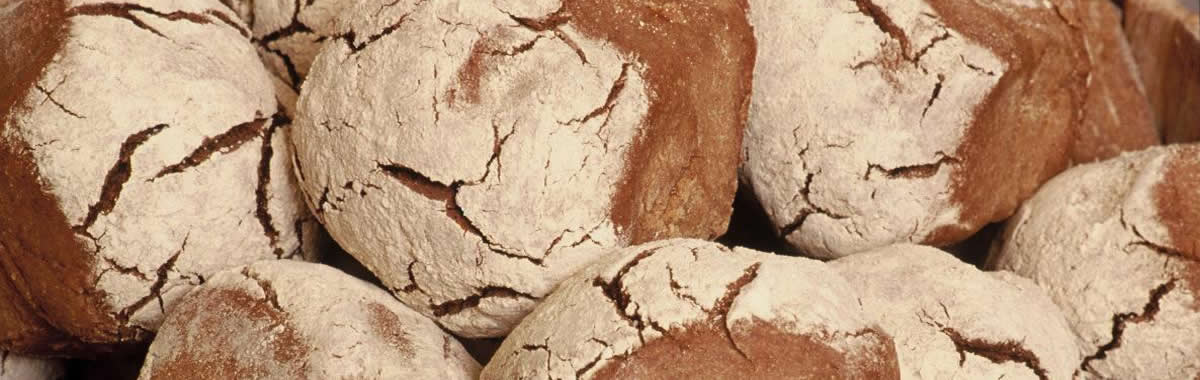
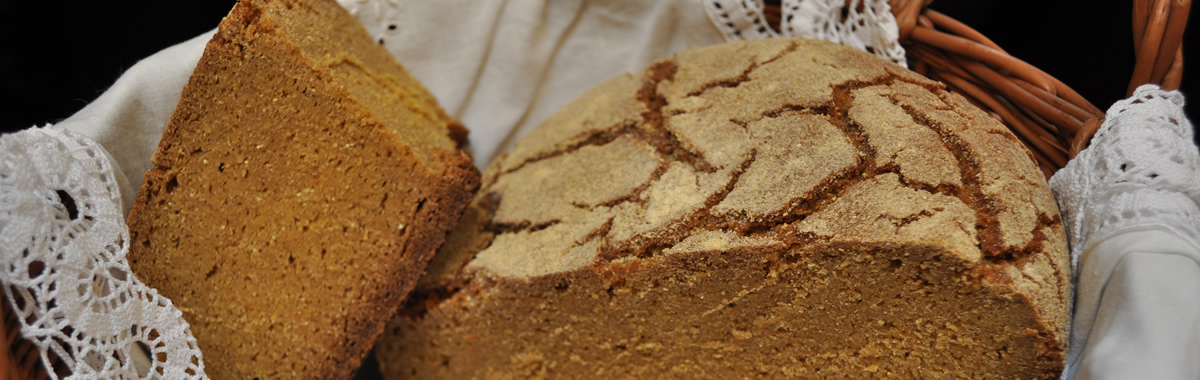
Description: Round and flat bread, made of wheat flour, obtained from a dough less sourdough than that of ordinary bread, being cooked in a shard or earthenware frying pan, heated in hot ash or over a high heat. It is characteristic of the festivities and, in general, it is done in the presence of the customer. Bread thus prepared, when hot or fresh, is fluffy and very pleasant to the palate. The proportion of flour and yeast is approximately 96% and 4%. The bread has a di-ameter between 15 and 20 cm and 2 to 3 cm in height.
Region: Autonomous Region of Madeira.
Particularity: Round and flat bread, undercooked and little leavened.
History: Eduardo C. N. Pereira, in his work Ilhas de Zargo, refers to it as being the bread of the Hebrew people, made with the flour of the land, of primitive and contemporary manufacture, undoubtedly of the first Moroccan settlers and which is the inseparable companion of trips and pilgrimages, so popular throughout the archipelago that it supplies the wheat bread in the villain's house. Traditionally it was cooked on a fragment of tile, placed over the coals. Luiza H. Clode and José V. Adragão refer to it in the New Guides of Portugal and add that, although it is a product that was formerly homemade, today it is industrialized.
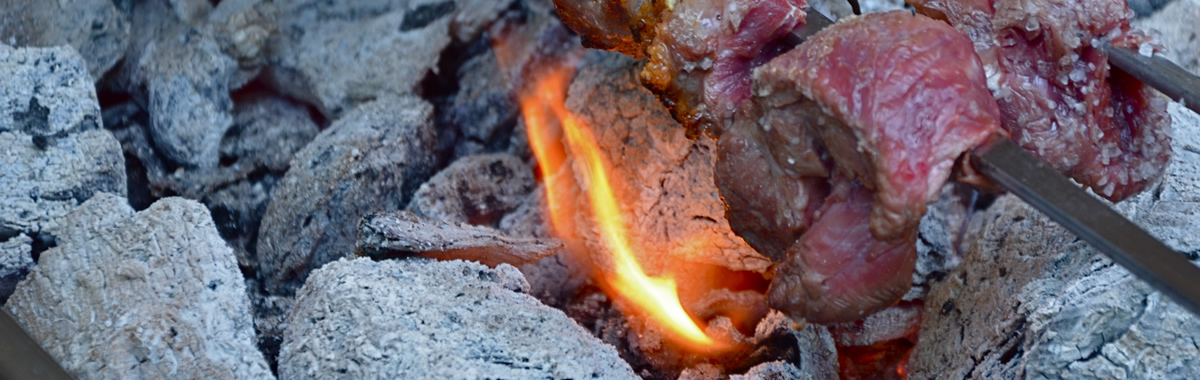
Use: Bread characteristic of the festivities. It is usually eaten on its own, hot, and spread with garlic butter. It is also very common as an accompaniment to some traditional dishes, such as beef skewers on a laurel stick.
Know-how: Low-leavened dough, prepared as if it were for making bread, but a little more worked until it is quite soft. Made with wheat flour, water, salt and yeast. After fermentation, balls are made that are flattened so that they are shaped like a biscuit 3 cm thick and palm in diameter. They are taken to bake allowing a thin, lightly toasted crust, turn over and let them be baked on the other side. They are placed vertically and rotated to brown the edges. This cooking is done in a clay frying pan, smothered with ash, over a live fire or on top of a tuff/basalt stone heated in the home. It is an indispensable condition that the stone is very hot. Today, cement boards are already being used.
Fonte: Produtos Tradicionais Portugueses, Lisboa, DGDR, 2001
